Comprehensive Guide to Clean Machine Car Wash Prices: Trends, Factors, and Future Outlook
Understanding Clean Machine Car Wash Prices: What You Need to Know
Car washes might seem like a simple part of everyday life—quick stops to get your ride sparkling. Yet, the economics behind clean machine car wash prices reveal complexities that ripple across industries and regions worldwide. From resource management to technological innovation, grasping these prices isn’t just for business owners or car enthusiasts. It’s a glimpse into evolving consumer trends, sustainability efforts, and market competitiveness that impacts us all.
The Global Context of Clean Machine Car Wash Pricing
Globally, the automotive industry continues to expand, with more vehicles on roads now than ever before. According to the International Organization of Motor Vehicle Manufacturers (OICA), over 1.4 billion vehicles were in use worldwide as of 2023, and car owners increasingly seek convenient, efficient ways to maintain their vehicles. This surge fuels demand for modern car wash services—especially those powered by advanced machines—a trend that pushes pricing dynamics into focus.
But it’s not just about convenience. Environmental concerns shape the demand and supply sides. ISO standards pushing for water efficiency and chemical use in automotive cleaning are influencing how machines are engineered and priced. The challenge here? Balancing affordability and performance without compromising ecological responsibilities.
What Exactly Are Clean Machine Car Wash Prices?
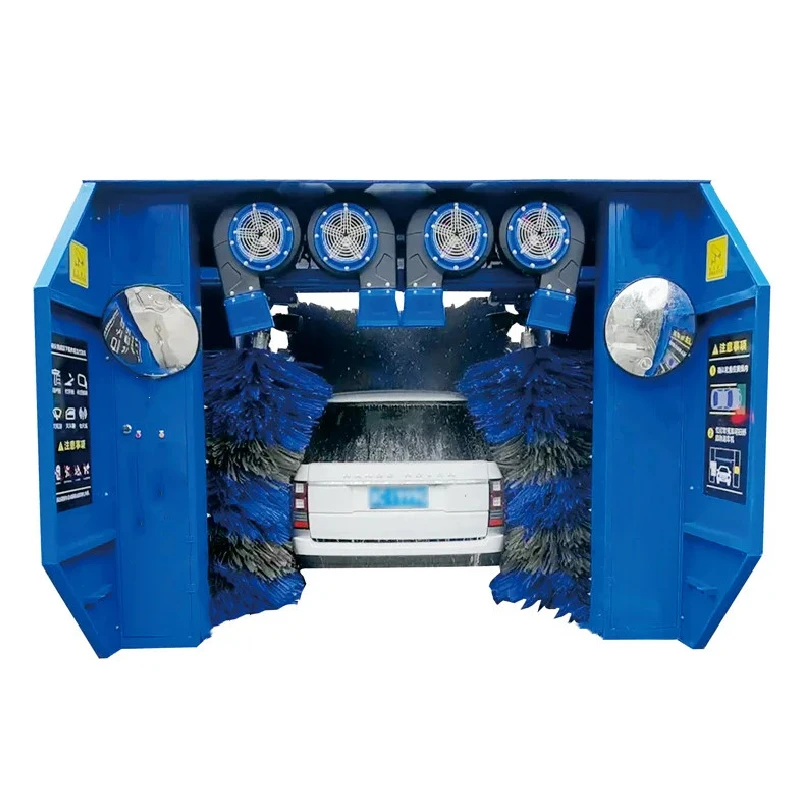
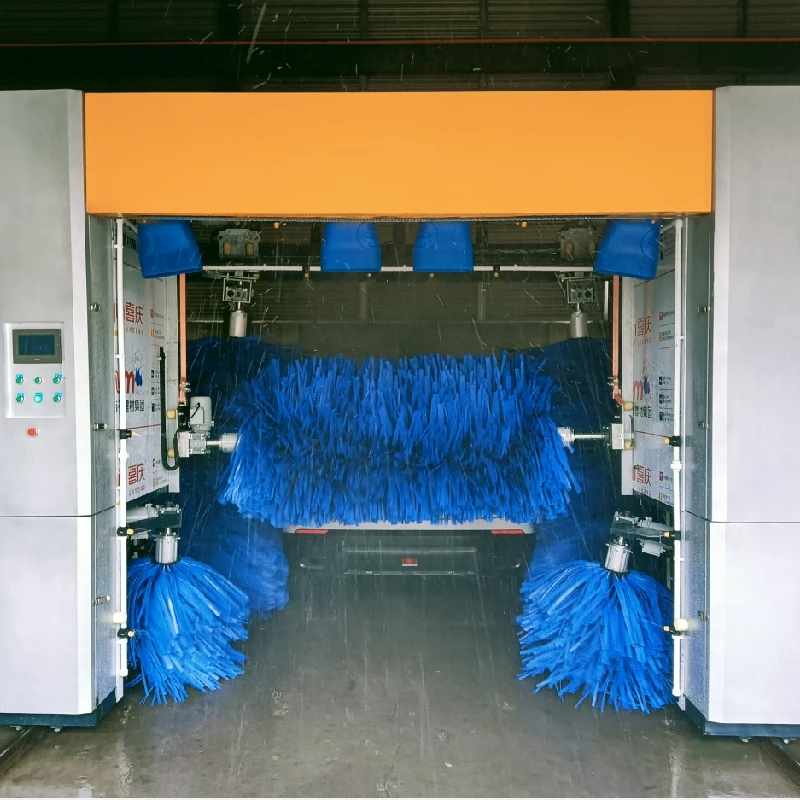
Put simply, clean machine car wash prices refer to the costs associated with using automated, mechanized car wash services. This includes everything from the initial acquisition or installation price of a car wash machine, operational expenses like water and chemical use, energy consumption, maintenance, to the retail price paid by the consumer.
These prices are tied to evolving technologies such as touchless washes, conveyor systems, and water reclamation efforts. For industries and consumers, understanding these prices sheds light on the affordability and sustainability of everyday vehicle maintenance.
Key Factors Influencing Clean Machine Car Wash Prices
1. Technology & Automation
More advanced machines incorporating sensors and eco-friendly products cost more upfront but often save money over time through efficiency and reduced waste.
2. Water and Energy Efficiency
Water usage is a huge factor, especially in drought-prone or regulated areas. Machines designed to recycle water or minimize chemical runoff impact both pricing and environmental compliance.
3. Maintenance and Durability
Machines built to last with minimal breakdowns reduce repair costs, influencing the long-term price structure.
4. Scale and Throughput
Larger, commercial-grade machines designed for high capacity naturally demand higher prices but can lower cost per wash in bulk operations.
5. Geographic Location
Local water costs, labor rates, energy prices, and regulatory requirements cause significant price variance around the world.
Mini takeaway: In real terms, there’s no one-size-fits-all when it comes to clean machine car wash prices—it hinges on technology, efficiency, durability, and location.
Global Applications & Use Cases
Industries and regions have adopted mechanized car washes in varying ways:
- Urban centers: High throughput, automated washes cater to busy commuters seeking speed and quality.
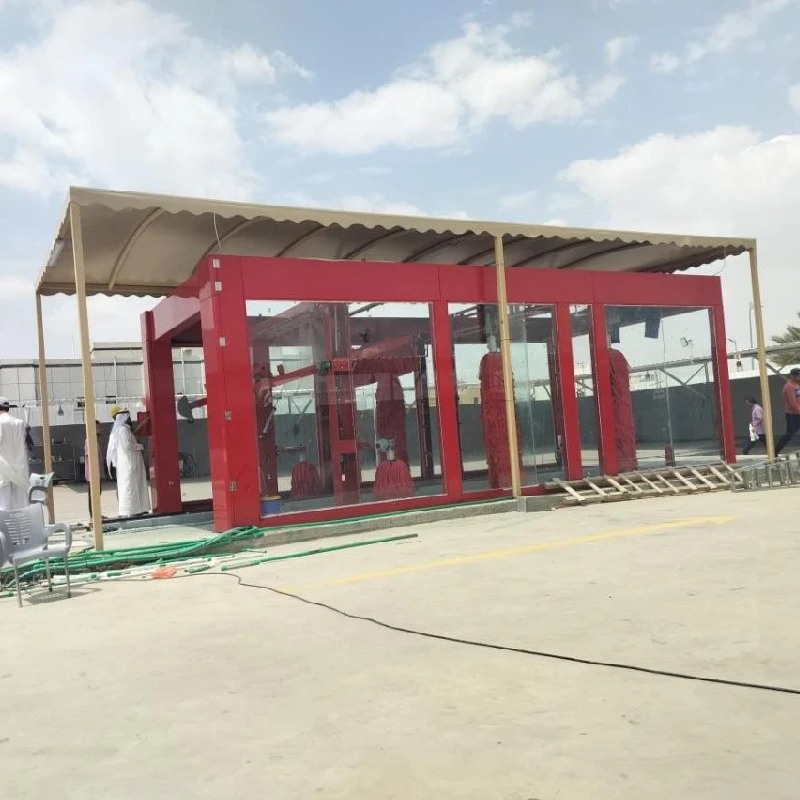
- Remote industrial zones: Automated units stationed near mining or manufacturing sites reduce downtime and improve fleet maintenance.
- Post-disaster or relief operations: Mobile, self-contained wash units help clean emergency vehicles without taxing local water supplies.
- Retail chains: Expansion of wash services in gas stations or malls adjusts prices based on regional demand and competition.
For readers interested in how this ties into local economies or shopping for supplies, this resource on clean machine car wash prices offers a deeper dive.
Advantages & Long-Term Value
There’s more than just aesthetics behind clean machine car wash pricing advantages:
- Cost Control: Upfront investment in efficient machines means savings in water, energy, and chemicals later.
- Sustainability: Using recycled water and eco-friendly detergents aligns with global environmental targets.
- Reliability & Safety: Automated systems reduce human error, helping protect staff and customers alike.
- Customer Satisfaction: High-quality washes enhance brand loyalty and repeat business.
Obviously, these benefits translate into emotional reassurance as well — well-maintained vehicles and services grounded in trustworthy tech just feel better, more modern.
Product Specification Table: Example Clean Machine Car Wash Units
| Model | Water Usage (liters) | Cycle Time (minutes) | Energy Consumption (kWh) | Retail Price (USD) |
|---|---|---|---|---|
| EcoWash 5000 | 60 | 4.5 | 1.2 | $15,800 |
| QuickClean Pro | 80 | 3.2 | 1.8 | $23,400 |
| GreenCycle 300 | 40 | 5.0 | 0.9 | $19,500 |
Vendor Comparison Table: Top Suppliers of Car Wash Machines
| Vendor | Warranty (years) | Eco Certifications | Maintenance Services | Global Reach |
|---|---|---|---|---|
| DynoWash Inc. | 3 | ISO 14001 | 24/7 Support | Over 50 countries |
| PureWash Solutions | 5 | LEED Certified | Onsite & Remote | 30 countries |
| EcoShine Tech | 4 | EPA Certified | Annual Checks | Available in 40+ countries |
Future Trends & Innovations in Clean Machine Car Wash Prices
Looking forward, I notice several exciting trends shaping the industry:
- Green Energy Integration: Solar-powered units and energy-efficient motors reduce both operating costs and emissions.
- Digital Monitoring: IoT-enabled machines that track usage, maintenance needs, and water quality.
- Automation Advances: Touchless tech reduces abrasion on vehicles and chemical needs.
- Subscription Pricing Models: More providers are exploring fixed-price monthly plans instead of per-wash fees, changing how prices stabilize.
Challenges & Expert Solutions
It’s not all smooth sailing though. Implementation hiccups include:
- High Initial Costs: Smaller operators may find upfront prices prohibitive without financing options.
- Water Scarcity: Areas with severe drought face resource restrictions that limit operation times or increase costs.
- Technological Complexity: Maintenance expertise for high-tech machines isn’t always locally available.
Some experts recommend modular system designs that scale with operator budgets, combined with remote diagnostics to ease maintenance burdens. Plus, manufacturers increasingly partner with local water treatment firms to recycle wastewater and qualify for sustainability grants.
FAQ: Frequently Asked Questions About Clean Machine Car Wash Prices
- Q: Why do prices for mechanized car washes vary so much globally?
- A: Prices differ due to local water and energy costs, labor expenses, regulatory requirements, and customer demand. For example, drought-prone regions may impose restrictions that increase pricing to offset resource limitations.
- Q: What are the benefits of investing in an eco-friendly car wash system?
- A: Eco-friendly systems reduce water consumption and chemical waste, aligning with environmental standards while often lowering long-term operating costs—appealing to both operators and environmentally conscious customers.
- Q: How can small businesses finance costly car wash machines?
- A: Many vendors offer leasing, payment plans, or partnerships with financing companies. Government grants or sustainability incentives can sometimes help offset initial expenses.
- Q: Are subscription models for car washes financially better for consumers?
- A: They can be, especially for frequent users, because these plans offer predictable monthly costs and often include perks like priority service or unlimited washes.
Conclusion: Why Understanding Clean Machine Car Wash Prices Matters
At the end of the day, these prices reflect an intersection of technology, environmental stewardship, and economic practicality. Whether you’re a business owner aiming to optimize operation costs or an informed consumer, knowing the factors behind clean machine car wash prices helps you make smarter choices, drive innovation, and contribute to sustainability goals.
Interested in exploring competitive, reliable car wash solutions? Visit our website: https://www.dycarwasher.com for detailed price guides and product insights.
A little insight can go a long way in understanding the hidden depth of something as everyday as washing your car.
References
-
Best High Pressure Water Jet for Car Wash and Detailing GuideNewsApr.16,2026
-
Professional High Pressure Water Car Wash Systems GuideNewsApr.09,2026
-
Unlock a Professional Shine with High Pressure Spray Wax TechnologyNewsApr.07,2026
-
Choosing the Right High Pressure Nozzle for Car Wash and DetailingNewsApr.04,2026
-
Choosing the Right High Pressure Car Cleaner for Optimal Vehicle CareNewsMar.31,2026
-
Investing in a High Power Car Washing Machine for Business EfficiencyNewsMar.28,2026