Comprehensive Guide to Car Water Wash Machine Price: What Affects Cost and Value
Understanding Car Water Wash Machine Price: What You Need To Know
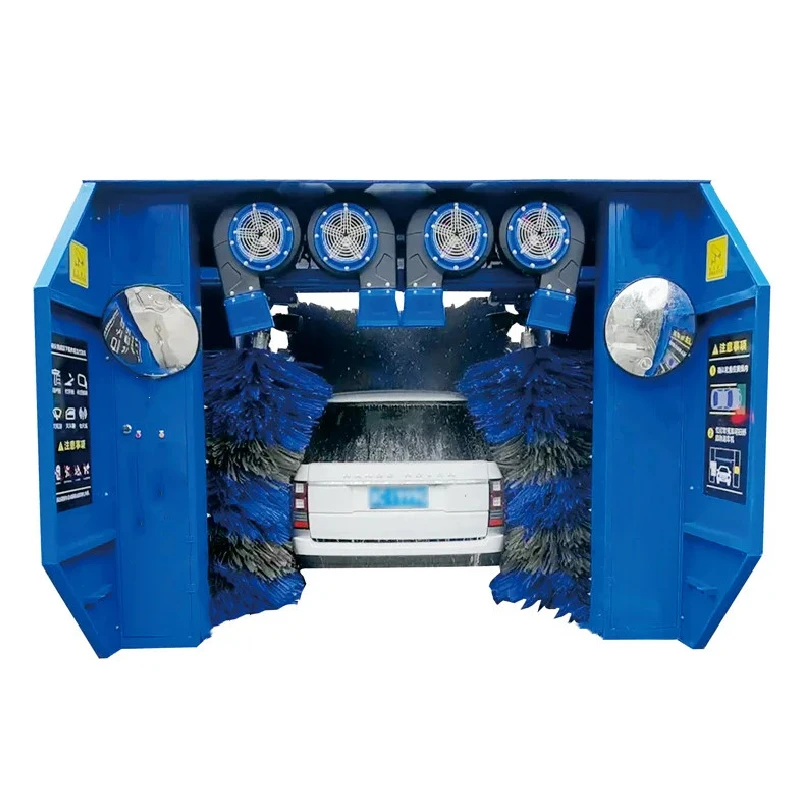
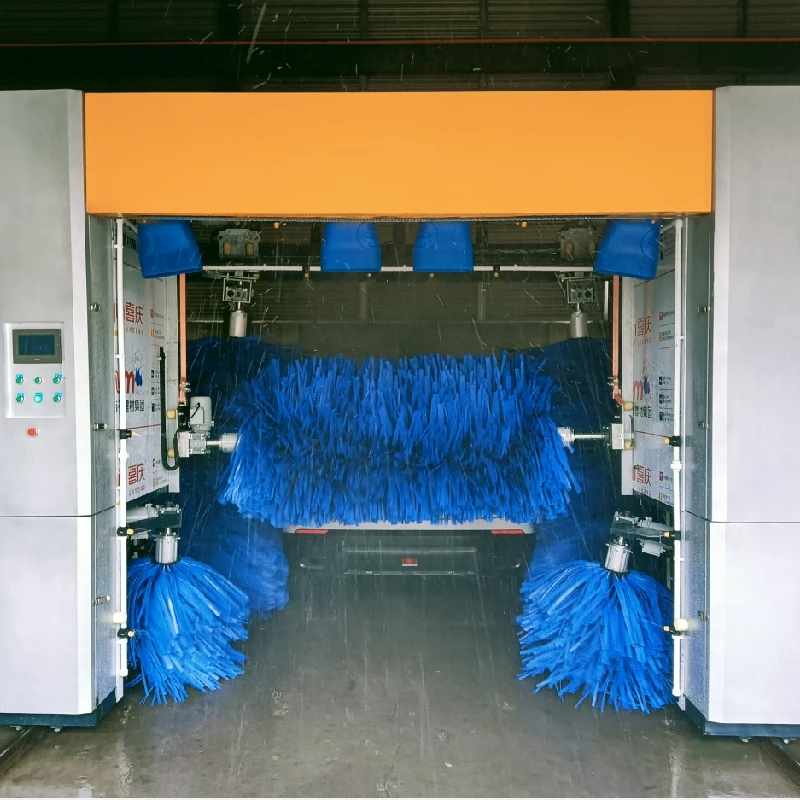
When we talk about the car water wash machine price, it might sound like just a dollar figure, but it's really a window into a complex industrial ecosystem. These machines, essential in automotive care and industrial cleaning, face growing demand worldwide—especially as water conservation and eco-friendliness become global priorities. Knowing how prices vary and why can help businesses make smart purchasing decisions, and customers better understand the value behind the cost.
Global Context: Why Car Water Wash Machine Pricing Matters
Globally, the automotive and service sectors are projected to grow steadily. According to the International Organization for Standardization (ISO), environmental controls in washing systems are increasingly regulated — that means water-efficient car wash machines are a hot commodity. Yet the price can vary dramatically, reflecting technology, build quality, and energy use. This creates a tricky balance between affordability and sustainability, a challenge many manufacturers and buyers grapple with daily.
For instance, in emerging markets, affordable units are vital for small businesses, while in developed regions, premium features like automation and water recycling might tilt prices higher. Oddly enough, the price often signals reliability and environmental impact more than just raw cost.
What Exactly is the Car Water Wash Machine Price?
Simply put, the car water wash machine price is the monetary cost to acquire an automated or semi-automated machine designed to clean vehicles using primarily water, often combined with detergents or high-pressure jets. The price includes factors like machine capacity, water consumption efficiency, power source, and integrated technology.
These machines tie deeply into modern industry because they reduce labor, save water, and can conform to strict environmental standards. In humanitarian aid contexts, such as vehicle decontamination in disaster zones, these machines also pop up as vital equipment where reliability and ease-of-use often outweigh price concerns.
Key Factors Influencing Car Water Wash Machine Price
1. Durability & Build Quality
A robust frame and premium materials usually translate into a higher price but save costs long-term by minimizing downtime and repairs.
2. Water & Energy Efficiency
Machines that recycle water or use less energy may cost more upfront but reduce operational expenses. Current ISO standards push for better efficiency.
3. Automation & Control Features
Integration of smart controls, sensors, or app-based monitoring can make the machine pricier but smarter and more user-friendly.
4. Capacity & Usage Volume
Higher throughput machines handle more cars per hour and often command a higher price point, fitting commercial businesses.
5. After-Sales Service & Warranty
Included service agreements and warranty lengths can influence the price significantly — a trusted brand’s support may justify paying a premium.
Mini takeaway: The car water wash machine price is a multi-dimensional figure — a trade-off between upfront costs and long-term value on durability, efficiency, and tech.
Product Specification Comparison
| Feature | Basic Model | Eco Efficiency Model | Premium Smart Model |
|---|---|---|---|
| Price (USD) | $3,200 | $4,500 | $7,800 |
| Water Consumption (Liters/Car) | 45 | 25 | 20 |
| Energy Usage (kWh) | 1.8 | 1.3 | 1.0 |
| Automation Level | Manual | Semi-Automatic | Fully Automatic |
| Warranty | 1 Year | 2 Years | 3 Years + Service |
Vendor Comparison of Car Water Wash Machines
| Vendor | Price Range (USD) | Water Efficiency | Warranty & Support | Key Feature |
|---|---|---|---|---|
| ClearWash Technologies | $3,000–$5,000 | Standard | 1 Year Warranty, Limited Support | Reliable manual & semi-automatic machines |
| EcoCar Wash Systems | $4,500–$7,000 | High water recycling | 2 Years Warranty, Online Support | Green tech with water saving focus |
| SmartWash Innovations | $7,000–$9,500 | Ultralow, with IoT monitoring | 3 Years+ Comprehensive Service | Cutting-edge automation & analytics |
Global Applications & Use Cases
Car water wash machines serve beyond typical car wash centers. In places like Europe and North America, sophisticated versions help meet environmental regulations by sharply reducing water waste. Asian markets, meanwhile, show rapid growth with small-scale, affordable machines catering to local entrepreneurs.
In humanitarian contexts, non-profits use mobile water wash machines to clean vehicles deployed in flood or drought zones — a small example but one that underscores the machine’s reliability and flexibility. Oddly enough, such specialized use often drives innovation in ruggedness rather than cost-cutting.
Advantages & Long-Term Value
Beyond just saving water, these machines help business owners cut labor, increase service speed, and lower chemical use, which is both eco-friendly and healthier for workers. The sense of safety and dignity for customers receiving a spotless car fast — it’s subtle but important. In the long run, investing in a quality car wash machine translates into trustworthiness and innovation signaling for your brand.
Emerging Trends: Where The Industry Is Headed
Manufacturers are leaning into IoT (internet of things) now — imagine machines that self-diagnose efficiency drops or water leakage and alert service teams before a breakdown. Green energy integration, like solar-powered pumps, is popping up too. Automation is streamlining operations, and policy shifts globally are nudging toward standardized energy and water consumption norms.
Challenges & Solutions
The upfront car water wash machine price can be a hurdle for many small operators, especially in developing regions. Maintenance can also be complicated, requiring trained technicians. However, modular designs and remote diagnostics are becoming popular solutions to these issues, making it easier and cheaper to keep machines running.
FAQ: Frequently Asked Questions About Car Water Wash Machine Price
- Q: What factors mainly affect the car water wash machine price?
A: The main drivers include build quality, water and energy efficiency, automation level, capacity, and warranty support. - Q: Are more expensive machines always more water-efficient?
A: Generally, yes, as higher-end models often include water-recycling systems and smart sensors, but always check detailed specs. - Q: Can I find affordable machines suitable for small businesses?
A: Certainly. Basic manual or semi-automatic models typically cost less and serve small-scale operations well. - Q: How important is the warranty and after-sales service?
A: Very important. A good warranty and prompt support reduce downtime and unexpected expenses, improving long-term value.
Conclusion
In real terms, understanding the car water wash machine price opens up insight into efficiency, innovation, and sustainability challenges within the automotive cleaning industry. Whether you operate a small business or oversee a fleet, matching your needs with the right machine can save money, water, and headaches in the long haul. Curious to explore your options? Visit our website for the latest on car water wash machine price and expert advice.
A little investment upfront often paves the way for cleaner, greener, and smarter operations later.
References
-
Best High Pressure Water Jet for Car Wash and Detailing GuideNewsApr.16,2026
-
Professional High Pressure Water Car Wash Systems GuideNewsApr.09,2026
-
Unlock a Professional Shine with High Pressure Spray Wax TechnologyNewsApr.07,2026
-
Choosing the Right High Pressure Nozzle for Car Wash and DetailingNewsApr.04,2026
-
Choosing the Right High Pressure Car Cleaner for Optimal Vehicle CareNewsMar.31,2026
-
Investing in a High Power Car Washing Machine for Business EfficiencyNewsMar.28,2026