Comprehensive Guide to Car Washing Plant Price: Factors, Trends & Benefits
Understanding Car Washing Plant Price: Why It Matters Globally
Car washing plants might not be the first thing on one’s mind when thinking about global industry trends, but they’re quietly shaping economies and environmental practices around the world. The car washing plant price is a crucial factor for businesses large and small, from the bustling gas station down the street to major fleet maintenance hubs. Knowing why these price points vary—and how they affect operations and sustainability—is surprisingly important.
Globally, the car care market is projected to grow steadily, with more consumers expecting efficient, environmentally friendly service options. According to reports by the International Organization for Standardization (ISO), standards around water usage and chemical runoff have become more stringent. So, operators aren't just choosing a plant based on price; they’re factoring in technology, sustainability, and long-term operational costs.
Mini Takeaway:
Understanding the car washing plant price opens the door to balancing cost with eco-friendly and efficient technology—a balance increasingly demanded in today’s marketplaces.
What Is Car Washing Plant Price?
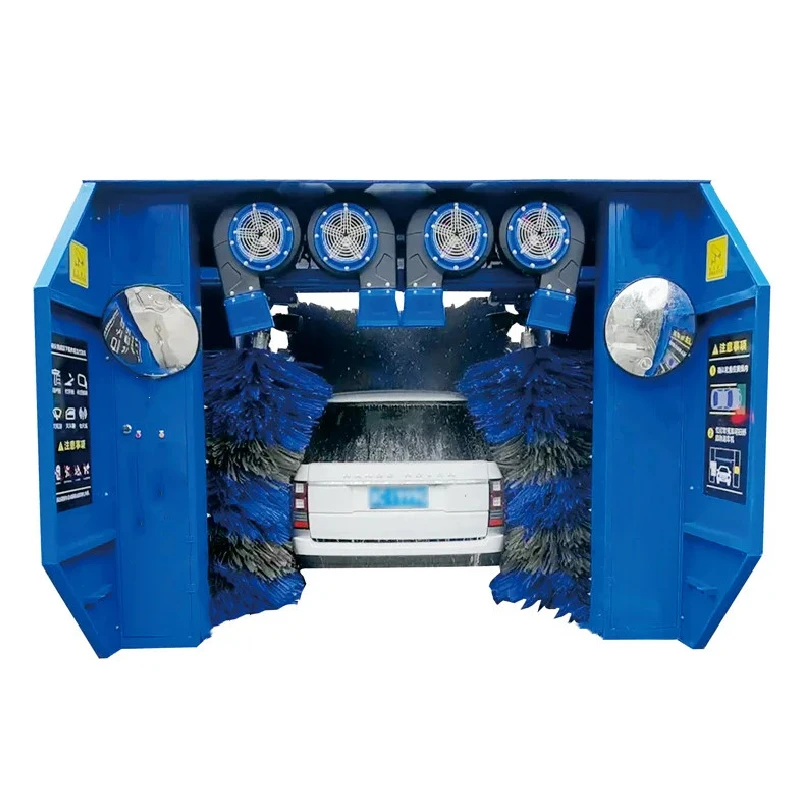
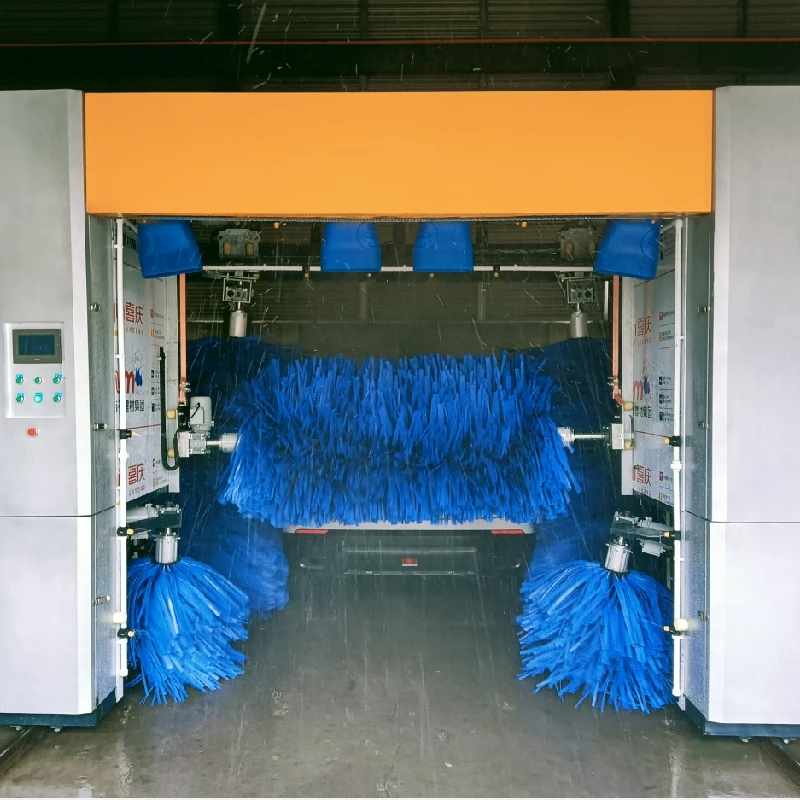
Put simply, car washing plant price refers to the total cost of purchasing and installing a professional-scale equipment system designed to clean vehicles. This includes the mechanical setup (think conveyors, brushes, water systems), automation technology, and sometimes the necessary environmental controls like water recycling or chemical treatment.
It matters a lot in modern industries because it blends logistics, maintenance, and environmental responsibility. For humanitarian needs—imagine humanitarian convoys or emergency response vehicles—it ensures reliable, scalable cleaning that can meet fast turnaround requirements and hygiene standards.
Key Factors Influencing Car Washing Plant Price
1. Durability & Build Quality
Your washing plant should last a decade or more under heavy use. Sturdy materials and quality components push the price upward but save money on repairs later. Many manufacturers use stainless steel and reinforced frameworks to prevent rust and wear.
2. Scalability & Capacity
Smaller plants targeting local businesses cost less initially but might choke operational flow during busy periods. Larger plants with automated conveyors, high-throughput pumps, and multiple washing stages naturally cost more but can justify the investment through efficiency—especially for fleet operators.
3. Environmental Features
Water recycling systems, low-chemical detergents, and waste management increase upfront cost but reduce ongoing environmental impact. As regulations tighten globally, these features become indispensable, influencing the overall car washing plant price significantly.
4. Automation & Technology Integration
Touchless systems, computerized controls, and diagnostics improve wash quality and lower labor costs. Integrating IoT (Internet of Things) sensors for predictive maintenance is trendy, adding complexity—and price—to the package.
5. Installation & Maintenance
Depending on site conditions—water supply, drainage, electricity—installation can be a substantial part of the total price. Maintenance service plans or warranties often factor into initial quotes, so it’s worth clarifying them early.
Mini Takeaway:
Price variations reflect a trade-off between durability, environmental impact, and technological sophistication. You can’t simply buy the cheapest model without considering long-term costs and compliance.
Typical Product Specifications
| Feature | Standard Model | Premium Model |
|---|---|---|
| Water Recycling | Partial | Full Closed Loop |
| Wash Capacity | 20 cars/hour | 50 cars/hour |
| Automation Level | Manual Control | Full Automation with IoT |
| Estimated Price (USD) | $30,000 - $50,000 | $70,000 - $120,000 |
Global Applications of Car Washing Plants
The demand for reliable car washing plants spans continents. In Europe and North America, stringent environmental laws encourage high-tech, water-saving systems. Meanwhile, in parts of Asia and Africa, rapid urbanization and the rising middle class fuel demand for affordable, efficient solutions.
Oddly enough, post-disaster recovery units also rely on mobile or modular car washing plants to clean emergency vehicles quickly, ensuring operational hygiene.
In mining camps or remote industrial zones, where dust and grime accumulate fast, these washing systems keep machinery running and fleets safe on rough terrain—demonstrating widespread practical importance.
Mini Takeaway:
Whether in bustling cities or remote areas, the right balance of price and performance helps industries and communities maintain hygiene, reduce downtime, and meet regulations.
Comparing Leading Vendors
| Vendor | Price Range (USD) | Special Features | Warranty |
|---|---|---|---|
| EcoWash Systems | $45,000 - $90,000 | Advanced Water Recycling | 3 Years |
| AutoClean Pro | $30,000 - $70,000 | Touchless Operation | 2 Years |
| GreenWash Technologies | $60,000 - $120,000 | Solar Power Integration | 5 Years |
Advantages & Long-Term Value
Many operators focus on sticker price, but the long-term value of a quality car washing plant really stands out. Energy and water savings from efficient models reduce utility expenses. Automated systems minimize labor costs and human error, while reliable machines cut costly downtime.
There’s also a matter of pride and trustworthiness. Customers notice when a business invests in proper car care that’s swift and thorough—building loyalty. Plus, in some regions, offering eco-friendly services improves brand image and even qualifies operators for green certifications or tax breaks.
Mini Takeaway:
Investing in the right car washing plant pays off through operational savings, regulatory compliance, and increased customer satisfaction.
Future Trends & Innovations in Car Washing Plants
Looking ahead, the industry buzzes about sustainability and tech. Expect more solar-powered plants, IoT monitoring for predictive maintenance, and AI-controlled wash cycles tailored to vehicle types. Waterless cleaning solutions are being explored as well, though they're still niche.
Digital payment systems and app-based scheduling are already becoming standard in urban areas, reflecting broader moves toward digital transformation.
Challenges & Solutions
Despite advances, challenges remain. High upfront costs can deter small businesses. Water availability and quality pose issues in arid or polluted regions. Technical complexity requires skilled maintenance, which isn’t always easy to find.
Solutions? Modular designs allow phased investments, and vendors increasingly offer training and remote support. Also, regional governments partnering with private firms help deploy standardized, cost-effective solutions aligned with local needs.
FAQ: Frequently Asked Questions About Car Washing Plant Price
- What factors most affect car washing plant price?
- Major factors include the plant’s size, automation level, water recycling capability, and installation complexity. Environmental compliance features add cost but are essential for long-term savings.
- Can low-cost models meet environmental regulations?
- Some budget models comply but usually with trade-offs in water efficiency or durability. Investing slightly more upfront often prevents regulatory headaches later.
- How long does a typical car washing plant last?
- With proper maintenance, well-built plants can operate effectively for 10–15 years, making initial price a longer-term investment.
- Are automated car washing plants expensive to maintain?
- They require specialized knowledge but lower labor costs overall. Many vendors offer maintenance contracts to ease upkeep.
- Where can I find current car washing plant price quotes?
- Check manufacturer websites and request quotes from multiple vendors. For a start, visit car washing plant price listings online.
Conclusion
Car washing plant price doesn’t just mean dollars on a tag. It represents a complex balance of technology, environmental responsibility, efficiency, and local needs. Choosing wisely can bring significant financial and social rewards.
If you’re considering investing in or upgrading a car washing plant, take the time to understand these variables—and don’t hesitate to compare options carefully.
Ready to explore the best options? Visit https://www.dycarwasher.com for detailed pricing and tailored solutions.
Reflection
It’s often the less glamorous industries—like car washing—that quietly innovate behind the scenes, blending tech and sustainability. Understanding what goes into their pricing unpacks larger trends in industrial ecology and customer expectations.
References
-
Best High Pressure Water Jet for Car Wash and Detailing GuideNewsApr.16,2026
-
Professional High Pressure Water Car Wash Systems GuideNewsApr.09,2026
-
Unlock a Professional Shine with High Pressure Spray Wax TechnologyNewsApr.07,2026
-
Choosing the Right High Pressure Nozzle for Car Wash and DetailingNewsApr.04,2026
-
Choosing the Right High Pressure Car Cleaner for Optimal Vehicle CareNewsMar.31,2026
-
Investing in a High Power Car Washing Machine for Business EfficiencyNewsMar.28,2026