Comprehensive Guide to Car Washing Equipment Price: Factors, Trends & Future Outlook
Understanding Car Washing Equipment Price: What You Need to Know
If you’ve ever wondered why the car washing equipment price varies so widely, you’re not alone. This topic touches more than just the cost at the checkout — it’s tied to technology, sustainability, business models, and even global infrastructure needs. Grasping the ins and outs of equipment pricing actually helps car wash operators, fleet managers, and even eco-conscious consumers make smarter decisions, balancing quality with long-term value.
Why Car Washing Equipment Price Matters in a Global Context
Car washing goes beyond aesthetics — it’s a critical part of vehicle maintenance worldwide. According to recent industry reports, the global car wash equipment market is estimated to grow annually by around 6-7%, driven by increasing vehicle ownership in emerging economies and rising awareness for eco-friendly solutions (source: Statista). However, the price tag on these machines often becomes a hurdle, especially in developing regions where upfront costs clash with tight budgets.
And that’s just one side of it. From bustling urban centers to remote industrial zones, the demand for robust, cost-effective car cleaning technology never wanes. But how do you pick a system when prices span from a few hundred to tens of thousands of dollars? The answer lies in understanding what influences the car washing equipment price and what that price actually includes.
What Does “Car Washing Equipment Price” Really Mean?
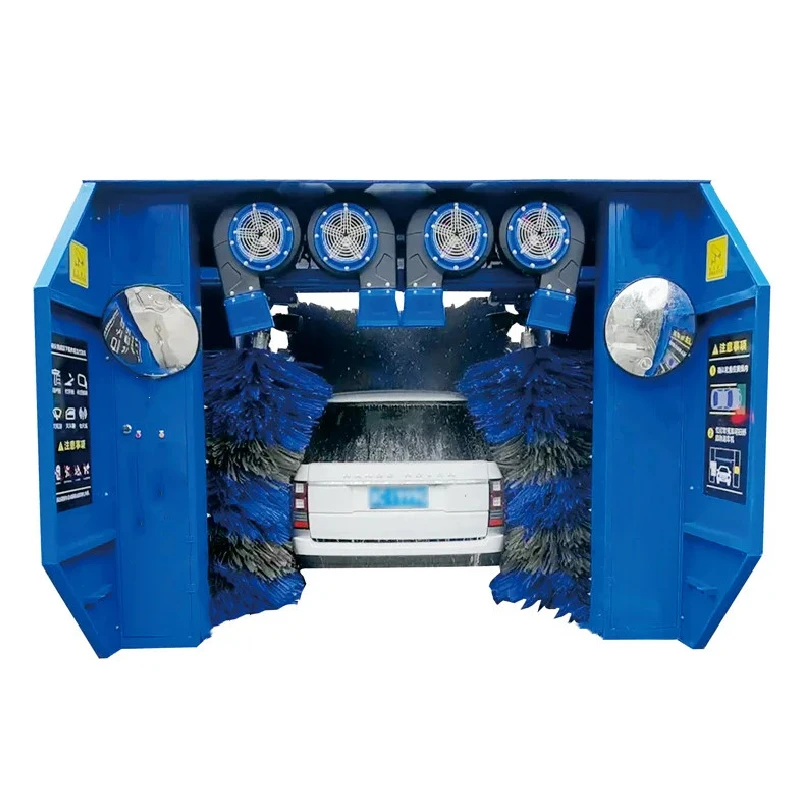
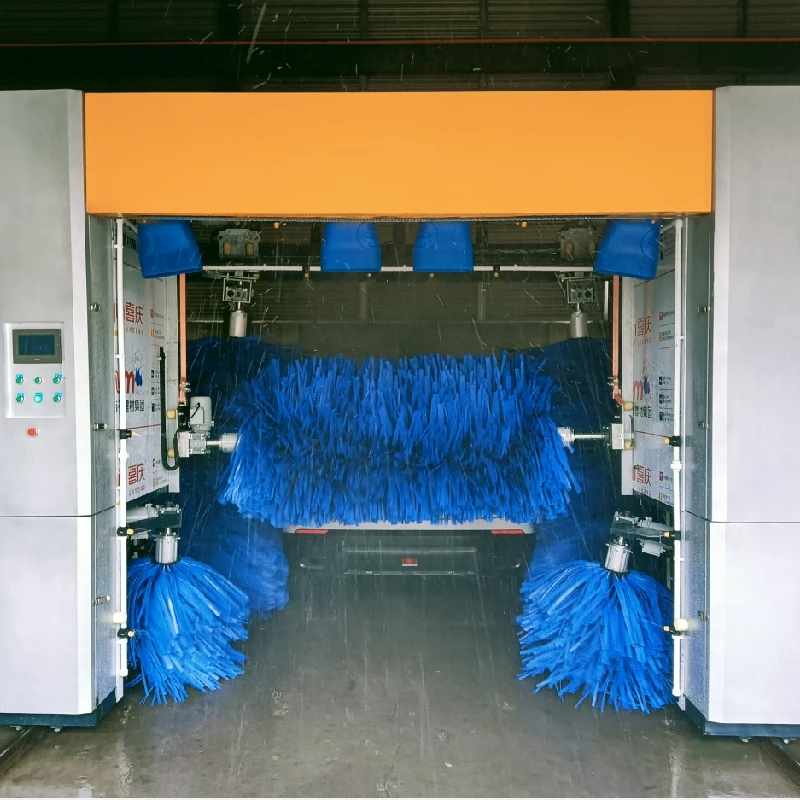
Put simply, the car washing equipment price refers to the upfront purchase cost of machines or systems used to clean vehicles. This includes automatic wash tunnels, self-service bays, pressure washers, and water recycling units. But more than a sticker number, this price often factors in design complexity, technology embedded (like sensors or automation), material quality, and even manufacturer warranties.
In a broader sense, this price ties into modern environmental efforts—efficient car washing systems reduce water and chemical use, aligning with global sustainability goals like ISO 14001 standards (environmental management). So, the price tag you see on equipment is often a reflection of performance, environmental impact, and durability combined.
Key Factors Affecting Car Washing Equipment Price
- Durability and Build Quality: Heavy-duty stainless steel components or corrosion-resistant materials cost more but last longer in harsh outdoor conditions.
- Technology Level: Basic manual washers are cheap, but automated systems with touchless cleaning and eco-friendly features raise the price.
- Water Consumption & Recycling: Equipment that integrates water-saving technology or filtration systems is generally pricier but can save money and resources long-term.
- Scalability & Customization: Systems adaptable for small fleets or large commercial operations come with different price points.
- Service & Warranty: Reputable vendors often include maintenance support and extended warranties—a value-add reflected in the initial price.
To see these factors clearly, here’s a quick overview:
| Specification | Budget Model | Mid-Range Model | Premium Model |
|---|---|---|---|
| Build Material | Basic metal, plastic parts | Stainless steel frame | Corrosion-resistant steel & carbon fiber |
| Automation | Manual or semi-automatic | Fully automatic with sensors | AI-based operation & quality controls |
| Water Efficiency | Standard consumption | Water recycling system | Advanced reuse & purification tech |
| Price Range (USD) | $500 – $2,000 | $5,000 – $15,000 | $20,000 – $50,000+ |
Mini takeaway: The price you pay reflects the technology, durability, and water-saving features, which all impact long-term savings and environmental footprint.
Global Applications & Use Cases
Oddly enough, car washing equipment isn’t just about keeping shiny cars on city streets. It’s a lifeline for multiple industries worldwide:
- Urban Fleet Maintenance: Taxi services and delivery companies in cities like New York and London depend on efficient wash systems that balance cost and speed.
- Industrial and Mining Zones: Mud-heavy vehicles in mining often require rugged, high-capacity washers, where price reflects toughness and uptime.
- Humanitarian Agencies: Mobile washing units used in disaster zones help maintain vehicles essential for aid delivery; affordability is key here.
- Environmental Initiatives: Europe leads in adopting water-efficient car wash equipment, often supported by regulations pushing for lower resource consumption.
In fact, a recent project by UN Habitat mentioned the roll-out of sustainable car wash units in urbanizing regions of Africa, emphasizing affordable but tech-forward designs (reference: UN Habitat).
Mini takeaway: Understanding equipment cost helps stakeholders tailor solutions to vastly different operational environments and budgets.
Advantages & Long-Term Value
At first glance, going cheap seems logical, but what I’ve seen from numerous operators is quite the opposite. A smart investment in robust car washing equipment pays dividends:
- Cost Savings: Premium systems use less water and energy, translating into lower operational bills.
- Sustainability: Reduced chemical runoff and water recycling protect local ecosystems.
- Reliability: Quality build means fewer breakdowns and less downtime—a major business driver.
- Safety & User Experience: Automated, sensor-based equipment reduces human error and enhances customer satisfaction.
- Brand Image: Using eco-friendly equipment signals your company’s commitment to innovation and responsibility.
It’s this blend of emotional trust and tangible benefits that drives purchasing decisions more than just the initial price.
Future Trends & Innovations
Technology marches on, and the car washing realm is no exception. Here are some trends to keep on your radar:
- Green Energy Integration: Solar-powered wash stations reduce dependence on grid electricity, impacting device costs and savings.
- Digital Transformation: IoT-enabled equipment offers remote monitoring and predictive maintenance, reducing unexpected expenses.
- Automation & AI: Smart systems adjust washing cycles based on vehicle type and dirt levels, improving efficiency and customer satisfaction.
- Eco-Friendly Materials: New biodegradable brushes and coatings defend against corrosion and environmental damage.
Manufacturers increasingly price equipment factoring in these innovations, which may nudge initial costs higher but bring compelling value.
Challenges & Solutions
The big hurdle remains the upfront investment, especially for small operators in emerging markets. Equipment can seem prohibitively expensive without clear financing options.
Solutions gaining traction include:
- Leasing & Rentals: Offering pay-as-you-go models reduces upfront pressure.
- Modular Designs: Allow gradual upgrades as budgets allow.
- Local Manufacturing: Cutting import costs and tailoring designs to local needs.
It’s a tough landscape, but innovation meets necessity often at the price point discussion.
Frequently Asked Questions About Car Washing Equipment Price
- What influences the price difference between basic and advanced car washing equipment?
- Primarily, the build quality, automation level, water efficiency technology, and brand reputation influence pricing. Advanced models often incorporate sensors, water recycling, and durable materials, which increase upfront costs but save money over time.
- Is investing in water recycling systems worth the higher cost?
- Absolutely, especially in regions facing water scarcity or where regulations push for sustainability. Though costlier upfront, these systems reduce water usage significantly, lowering operational costs and environmental impact.
- How can small businesses afford high-end car washing equipment?
- Many vendors now offer leasing options or modular systems that can start small and expand. It’s worth exploring financing plans or partnering with suppliers that offer maintenance services.
- Are eco-friendly car washing systems more expensive?
- Initially yes, due to advanced technologies and specialized materials. However, the long-term savings on water, energy, and compliance costs often outweigh these upfront prices.
- How can I find reliable car washing equipment pricing information?
- Industry websites, vendor catalogs, and market research platforms provide data on current pricing. For tailored advice, consulting with manufacturers or experts in the field helps clarify suitability versus cost.
Vendor Comparison Table
| Vendor | Price Range (USD) | Warranty | Water Recycling | Automation Level |
|---|---|---|---|---|
| CleanWash Co. | $1,000 - $10,000 | 2 years | Basic system | Semi-automatic |
| EcoCar Wash Systems | $7,000 - $25,000 | 3 years | Advanced recycling | Fully automatic |
| AutoShine Technologies | $15,000 - $50,000+ | 5 years | Smart purification | AI-based automation |
In Conclusion: The Value Behind Car Washing Equipment Price
The car washing equipment price isn’t just a label — it’s a doorway to better efficiency, environmental respect, and reliability. Knowing what factors shape it makes a tangible difference whether you run a local wash bay or manage a national fleet.
For detailed pricing and the latest in car washing tech, don’t hesitate to visit car washing equipment price sources and connect directly with trusted suppliers. Making informed choices here pays off in countless practical ways.
Thanks for sticking with me through this. I trust you found the insights helpful — now go make those vehicles sparkle with savvy!
Quick takeaway: Investing in better-but-cost-effective car wash equipment pays off through reliability, eco gains, and happier customers.
-
Best High Pressure Water Jet for Car Wash and Detailing GuideNewsApr.16,2026
-
Professional High Pressure Water Car Wash Systems GuideNewsApr.09,2026
-
Unlock a Professional Shine with High Pressure Spray Wax TechnologyNewsApr.07,2026
-
Choosing the Right High Pressure Nozzle for Car Wash and DetailingNewsApr.04,2026
-
Choosing the Right High Pressure Car Cleaner for Optimal Vehicle CareNewsMar.31,2026
-
Investing in a High Power Car Washing Machine for Business EfficiencyNewsMar.28,2026