Comprehensive Guide to Car Washing Equipment for B2B Decision Makers | DyCar Washer
Car Washing Equipment is a key solution in the industry, specifically within automotive service centers, fleet maintenance, and large-scale cleaning operations. This article explores how https://www.dycarwasher.com supports professionals with durable, high-performance products, and explains why this product is an ideal choice for businesses in these sectors.
Table of Contents
- Car Washing Equipment Overview
- Benefits & Use Cases of Car Washing Equipment
- Cost, Maintenance & User Experience
- Sustainability & Market Trends
- Frequently Asked Questions
- Conclusion on Car Washing Equipment from China
Car Washing Equipment Overview
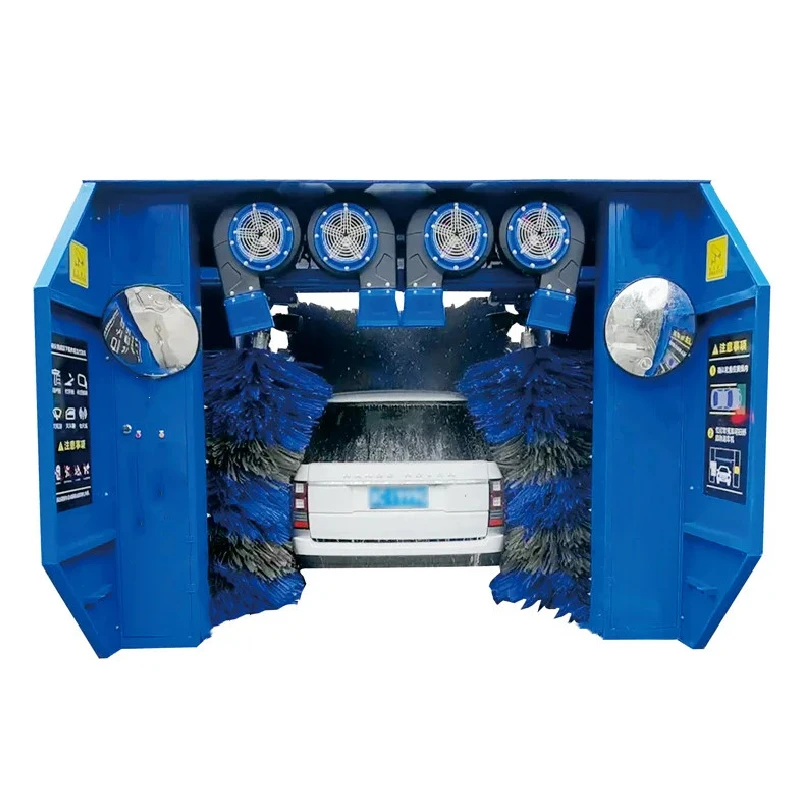
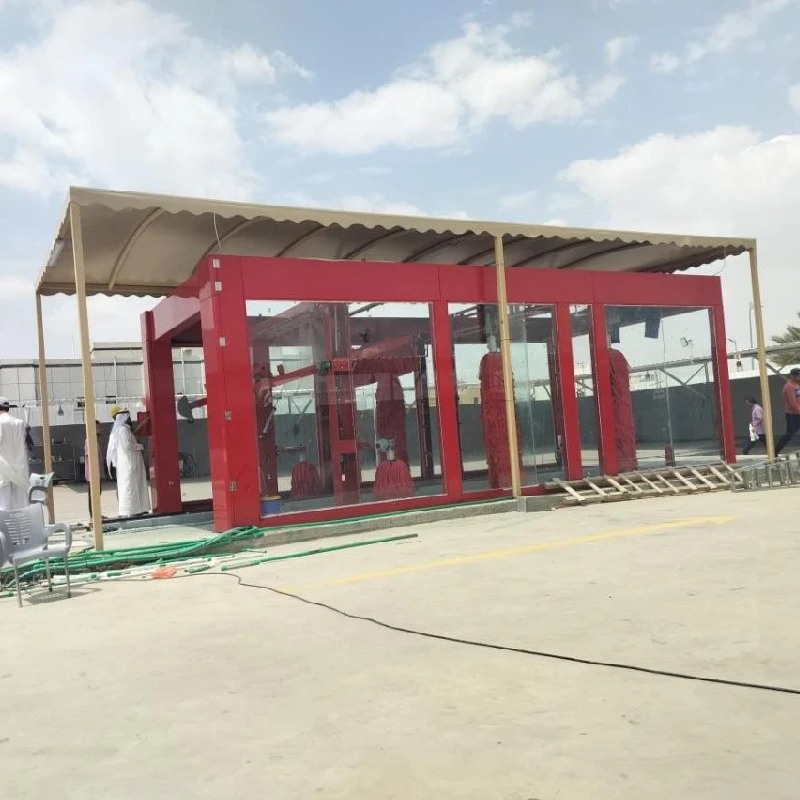
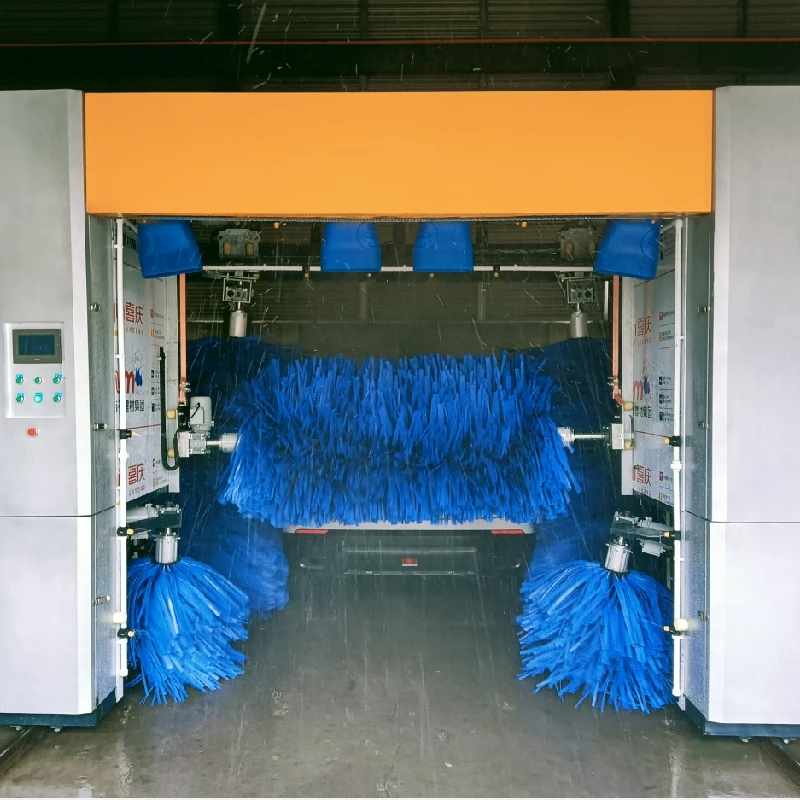
In real terms, car washing equipment refers to the sophisticated machinery and tools designed to clean vehicles efficiently, ranging from automated systems to manual pressure washers. This equipment plays a vital role in the automotive service industry—think about the constant demand at fleet depots or busy car wash stations. The tech behind it is quite fascinating: advanced pumps, flexible nozzles, adjustable pressure settings, and eco-friendly detergent dispensers combine to deliver a thorough but gentle clean.
One typical product line from DyCar Washer includes their self-service and automatic car wash machines, boasting water pressures of up to 120 bar and customizable wash cycles. Durability is key here; these machines endure harsh work environments and unrelenting usage — often operating 12+ hours daily. I noticed that many engineers emphasize modular design, which supports easy maintenance and upgradeability.
| Product Model | Max Pressure (bar) | Power Consumption (kW) | Water Usage (L/min) | Cycle Time (min) |
|---|---|---|---|---|
| DY-CW100 | 100 | 4.5 | 12 | 6 |
| DY-CW120 Auto | 120 | 5.8 | 15 | 8 |
| DY-SelfService | 90 | 3.2 | 10 | 7 |
Benefits & Use Cases of Car Washing Equipment
What’s compelling is how these machines adapt seamlessly to various industrial use cases—everything from car rental agencies needing quick turnaround, to logistics companies maintaining entire fleets. Frankly, the versatility is impressive. The automated models cut down labor costs, while the self-service options provide flexible solutions for drivers and operators alike.
Key benefits include precision cleaning with adjustable pressure to prevent vehicle damage, environmentally safer operation with water recycling systems, and integration with smart payment platforms for smooth user experience. Oddly enough, I’ve heard from a couple of fleet managers that the ease of installation and low downtime really tipped the scales in favor of DyCar’s equipment when they were deciding on suppliers.
In terms of competitive edge, features like robust stainless steel construction, high-efficiency pumps, and modular electronics make these products not just effective, but surprisingly durable. One user case came up from a delivery company in California—they reported a 20% reduction in cleaning time and a noticeable improvement in vehicle appearance consistency after switching to DY-CW120 Auto machines.
Cost, Maintenance & User Experience
Budget-conscious decision-makers might wonder about the total cost of ownership. While initial investments can be moderate to high, especially for automated systems, the return on investment usually justifies the spend. The longevity of these machines—often over 7 years with proper upkeep—means replacement cycles are less frequent than many might expect. And when you factor in reduced labor and water savings, the financial picture turns greener.
Maintenance routines recommended by DyCar Washer are straightforward, emphasizing periodic replacement of wear parts like nozzles, and routine system checks on pumps and motors. Customers often report that after a short learning curve, their teams can handle most upkeep in-house, reducing need for expensive service calls.
| Vendor | Pricing Level | Durability (years) | Warranty | After-sales Support |
|---|---|---|---|---|
| DyCar Washer | Mid-Range | 7+ years | 2 years | 24/7 Regional Support |
| Brand X | High | 5–6 years | 1 year | Business Hours Only |
| Supplier Y | Low | 3–4 years | 6 months | Limited |
User feedback often mentions the intuitive control panels and the smooth user journey from start to finish, especially with the automated systems. From my experience talking with operators, there’s genuine appreciation for the consistent results without scrubbing or scrapping.
Sustainability & Market Trends
A modern must-know is sustainability. More and more, industry regulations push for water conservation, energy efficiency, and eco-friendly cleaning agents. The latest car washing equipment from DyCar Washer incorporates water recycling modules and highly efficient motors, trimming operational footprints significantly. Obviously, this isn’t just “green washing” — there’s real compliance with evolving standards, including those in the EU and North America.
Market growth, fueled by urbanization and expanding vehicle ownership in developing economies, ensures demand for high-quality equipment remains robust. Oddly enough, even some smaller enterprises are investing in semi-automated equipment, seeing it as a stepping stone to boost service quality and throughput.
Looking ahead, integration with IoT for predictive maintenance and smart scheduling seems like the next frontier. DyCar Washer is reportedly investing heavily in this realm, so it’s a landscape worth watching.
Frequently Asked Questions about Car Washing Equipment
- What is Car Washing Equipment and how does it work?
- Car Washing Equipment includes machines like automated wash tunnels, pressure washers, and self-service bays that use water jets, detergents, and brushes to clean vehicles efficiently. The equipment works by combining mechanical cleaning action with controlled water pressure and cleaning agents to remove dirt without damaging the vehicle surface.
- What are the main benefits of using Car Washing Equipment in industrial applications?
- Key benefits include reduced labor costs, faster cleaning cycles, consistent cleaning quality, improved water and energy efficiency, and lower environmental impact due to integrated recycling systems. Durability and ease of maintenance also help minimize downtime and service expenses.
- How does Car Washing Equipment compare to traditional alternatives?
- Compared to manual or basic setups, modern car washing equipment offers advanced pressure control, integration with water recycling, and reduced water consumption. This leads to better cleaning efficiency, less vehicle damage risk, and overall faster throughput.
- What industries can benefit most from Car Washing Equipment implementation?
- Sectors like fleet maintenance, car rental companies, automobile dealerships, logistics companies, and public transport operators benefit the most. These industries handle large numbers of vehicles and require quick, reliable washing solutions to maintain fleet cleanliness and customer satisfaction.
Conclusion on Car Washing Equipment from china
To sum it up, investing in high-quality car washing equipment, such as the range offered by DyCar Washer, offers a smart pathway to elevate operational efficiency and environmental compliance for B2B customers. Durable, feature-rich, and supported by strong after-sales service, these machines feel like the reliable backbone for any industrial-scale vehicle cleaning operation. For decision makers in the automotive and fleet services sectors, giving this equipment a closer look could pay dividends in productivity and sustainability alike.
- Recap the value of Car Washing Equipment.
- - Visit our website: https://www.dycarwasher.com
Reflecting on the evolving technology and commitment to sustainability, it’s clear that modern car washing equipment isn’t just about cleanliness but about efficiency and responsible business practice. For those curious, visiting manufacturer sites and requesting demos can provide clarity beyond specs alone.
-
Best High Pressure Water Jet for Car Wash and Detailing GuideNewsApr.16,2026
-
Professional High Pressure Water Car Wash Systems GuideNewsApr.09,2026
-
Unlock a Professional Shine with High Pressure Spray Wax TechnologyNewsApr.07,2026
-
Choosing the Right High Pressure Nozzle for Car Wash and DetailingNewsApr.04,2026
-
Choosing the Right High Pressure Car Cleaner for Optimal Vehicle CareNewsMar.31,2026
-
Investing in a High Power Car Washing Machine for Business EfficiencyNewsMar.28,2026