Comprehensive Guide to Car Wash Hydraulic Lift Technology
Understanding the Car Wash Hydraulic Lift: A Global Perspective
If you’ve ever wondered how those slick cars at professional car washes get lifted so effortlessly for a thorough clean underneath, the answer usually lies with the car wash hydraulic lift. More than just a convenience, this technology embodies a vital piece of industrial equipment with global impact.
The significance of these lifts extends well beyond aesthetics; they improve operational efficiency, worker safety, and environmental sustainability at car wash facilities worldwide. With the global car wash equipment market expected to grow by over 5% annually (source: MarketsandMarkets), understanding the hydraulic lift is more relevant than ever.
Why This Matters Globally
With over 1.4 billion cars on the road today (International Organization of Motor Vehicle Manufacturers, 2023), maintaining vehicle upkeep safely and efficiently is a universal need. Hydraulic lifts help tackle challenges like confined space, worker injury risk, and the demand for faster service. Plus, in emerging economies where vehicle ownership is booming, these lifts facilitate new business models and job opportunities.
Mini takeaway: The car wash hydraulic lift’s role in global automotive care is a quietly powerful one — blending safety, speed, and sustainability.
What Is a Car Wash Hydraulic Lift?
At its simplest, a car wash hydraulic lift is a mechanical system that uses hydraulic fluid pressure to raise and lower vehicles, allowing easier access underneath. Unlike traditional mechanical lifts that rely on chains or cables, hydraulic lifts provide smooth, powerful, and controlled movement.
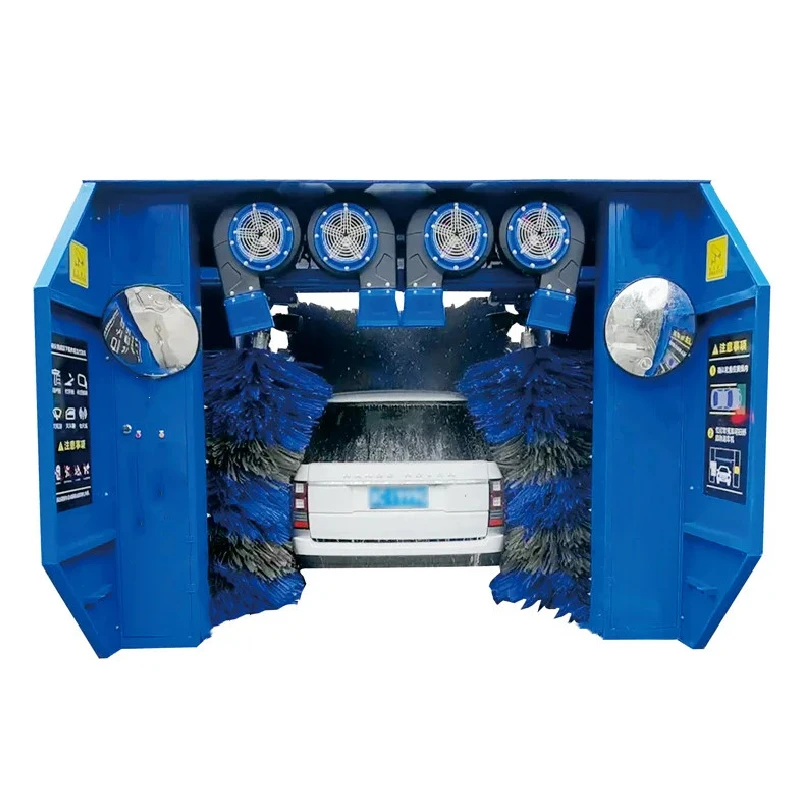
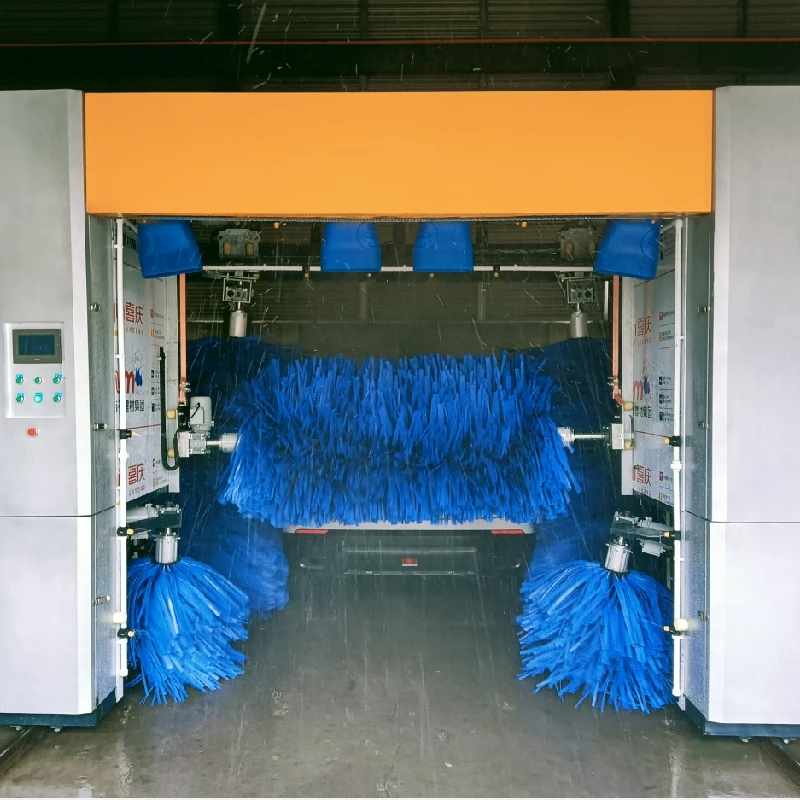
These lifts are integral to modern car wash systems, making thorough cleaning, inspections, and repairs possible without the heavy labor or awkward postures many operators once endured. It’s a neat melding of hydraulics — the science of fluid pressure — and everyday practicality.
Key Features of Car Wash Hydraulic Lifts
1. Durability and Build Quality
Steel frames, corrosion-resistant coatings, and sealed hydraulic cylinders mean these lifts are built to withstand harsh wet environments with chemicals and water splashing everywhere.
2. Load Capacity
Most modern car wash hydraulic lifts handle vehicles ranging from compact sedans to SUVs, typically supporting loads of 3,000 to 7,000 kilograms — enough for virtually any customer vehicle on the road.
3. Safety Mechanisms
Advanced lifts include pressure relief valves, lock systems, and emergency lowering features — essential in accident prevention and maintenance.
4. Ease of Installation and Maintenance
Many are designed modularly to allow straightforward installation in indoor or outdoor facilities, with minimal downtime during servicing, a big plus for busy car washes.
5. Energy Efficiency
Innovative designs are emerging that reduce hydraulic fluid loss and electrical consumption, making hydraulic lifts greener, aligning with global sustainability goals (ISO 14001 guidelines).
| Specification | Typical Range |
|---|---|
| Load capacity | 3,000 - 7,000 kg |
| Lifting height | 1.8 - 2.2 meters |
| Power supply | 220V - 380V, 50/60Hz |
| Cycle time (lift/lower) | 40 - 60 seconds |
| Dimensions (L×W×H) | 4.5m × 2.5m × 0.4m (platform) |
Global Applications & Use Cases
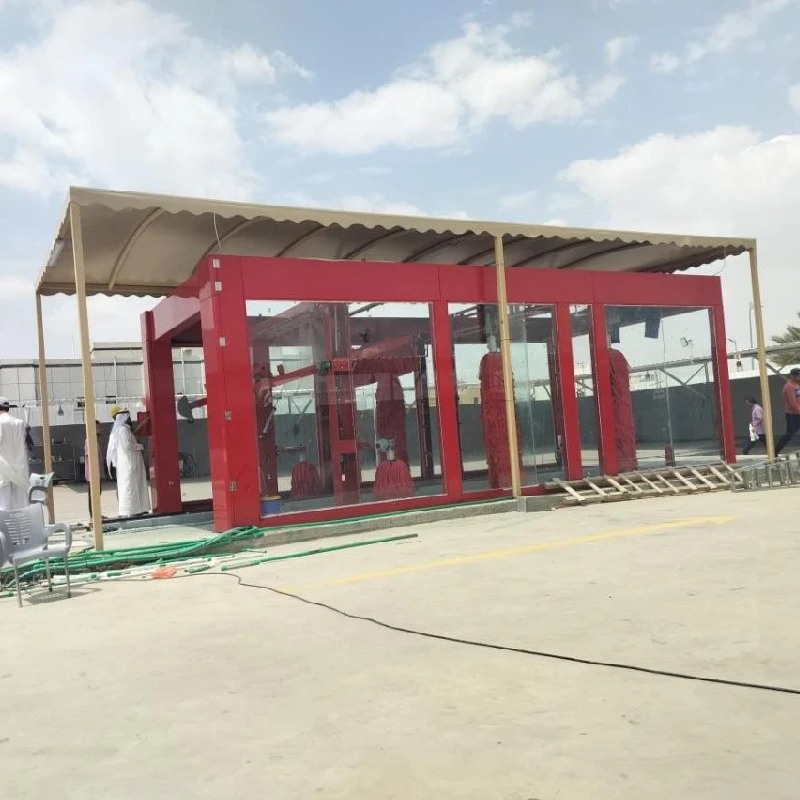
Car wash hydraulic lifts enable much more than just cleaner vehicles. In Europe and North America, advanced car wash centers rely heavily on these lifts to meet high customer expectations for speed and quality. Meanwhile, in Asia and Latin America, rising vehicle populations drive demand for affordable, efficient washing and maintenance setups.
Oddly enough, these lifts also pop up in more unconventional places. For instance, NGOs in disaster zones have adapted similar lifting systems to quickly deploy mobile vehicle maintenance stations, keeping relief vehicles ready and safe (source: International Federation of Red Cross).
Mini takeaway: The car wash hydraulic lift’s practical value spans from polished city centers to humanitarian aid contexts.
Comparing Leading Hydraulic Lift Vendors
| Vendor | Load Capacity | Safety Features | Price Range |
|---|---|---|---|
| LiftMaster Pro | 7,000 kg | Full safety locks, emergency stop | $12,000 - $15,000 |
| HydroLift Xtreme | 5,500 kg | Pressure relief valves, dual safety cables | $10,500 - $13,500 |
| EcoLift GreenTech | 4,000 kg | Eco-friendly hydraulic fluids, low power consumption | $11,000 - $14,000 |
Advantages & Long-Term Value
The real charm of the car wash hydraulic lift is in its blend of tangible rewards: cost savings from faster vehicle turnaround, enhanced worker safety by reducing strain and injury, and increased trust from customers who see the professionalism in every lift. You know, there’s also an emotional angle here — workers feel more respected having reliable, safe tools, and operators see the payoff in repeat business.
Plus, with rising attention to sustainability, many operators appreciate that hydraulic systems can be designed to minimize fluid leaks and energy waste — reducing environmental footprints. In real terms, that means cleaner cars and cleaner air.
Future Trends & Innovations in Hydraulic Lifts
Technology marches on. Expect to see more hydraulic lifts integrating IoT sensors for predictive maintenance — helping operators avoid costly downtime. Emerging biodegradable hydraulic fluids and solar-powered pumping systems also hint at an eco-friendlier future.
Frankly, automation is on the horizon too: automated vehicle positioning combined with smart lifts could revolutionize the way a car wash hydraulic lift works in the next decade — nearly hands-off and ultra-efficient.
Common Challenges and How to Overcome Them
Like any tech, hydraulic lifts face hurdles — issues with hydraulic leaks, space constraints in older facilities, and high initial investments often top the list. However, modular designs and leasing options help smaller operators adopt the tech without massive upfront costs. Thoughtful preventive maintenance dramatically cuts downtime — just like many engineers say, “It’s all in the details.”
FAQs About Car Wash Hydraulic Lifts
- Q: How long does a typical hydraulic lift last in a commercial car wash?
- A: With proper maintenance, many hydraulic lifts last 10-15 years or more. Routine inspections, hydraulic fluid changes, and part replacements keep them reliable.
- Q: Are car wash hydraulic lifts safe for all vehicle types?
- A: Generally yes, as long as the vehicle weight doesn’t exceed the lift’s rated capacity. It’s important to check specs before use.
- Q: Can these lifts be installed outdoors?
- A: Many models are weather-resistant and can be installed outdoors, though protective coatings and covers extend their lifespan.
- Q: What maintenance is required for hydraulic lifts?
- Regular hydraulic fluid checks, cylinder inspections, and cleaning are crucial. Vendors often provide comprehensive maintenance schedules.
Conclusion: Elevate Your Car Wash Operation Today
To sum it up, the car wash hydraulic lift is more than just a piece of equipment; it’s a catalyst for safer, greener, and more profitable car care worldwide. If you’re considering upgrading your wash facility or entering this booming market, understanding these lifts is crucial.
Curious to learn more or ready to bring efficiency to your business? Visit our website at car wash hydraulic lift for detailed product information and expert advice.
Reflecting on this journey, it feels like these humble lifts quietly power a global shift in how we care for vehicles — blending engineering, safety, and sustainability in one smooth raise and lower.
References
-
Best High Pressure Water Jet for Car Wash and Detailing GuideNewsApr.16,2026
-
Professional High Pressure Water Car Wash Systems GuideNewsApr.09,2026
-
Unlock a Professional Shine with High Pressure Spray Wax TechnologyNewsApr.07,2026
-
Choosing the Right High Pressure Nozzle for Car Wash and DetailingNewsApr.04,2026
-
Choosing the Right High Pressure Car Cleaner for Optimal Vehicle CareNewsMar.31,2026
-
Investing in a High Power Car Washing Machine for Business EfficiencyNewsMar.28,2026