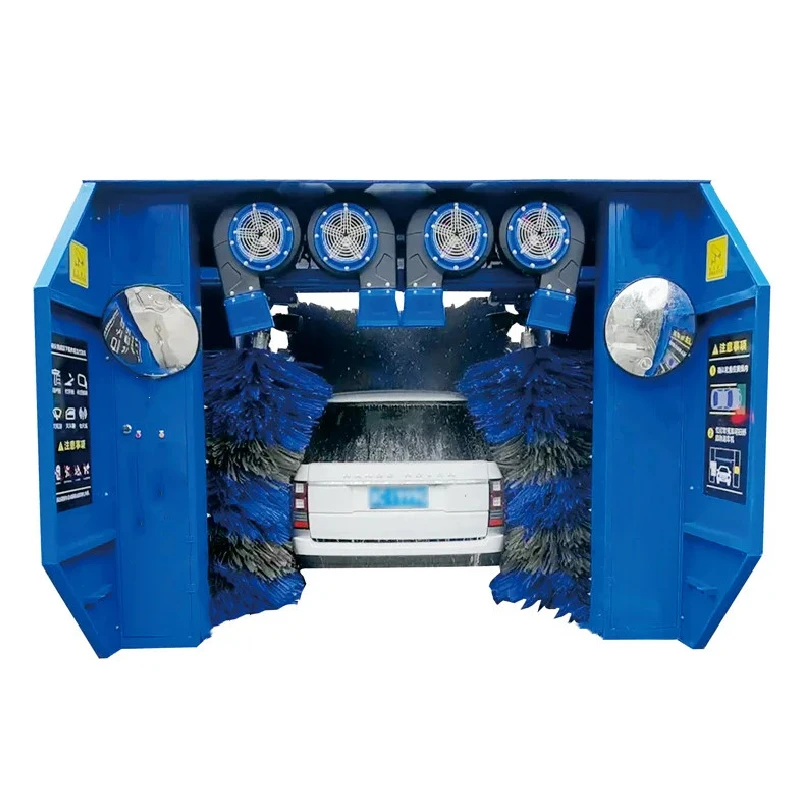
Comprehensive Guide to Car Shampoo for Power Washers | Eco-Friendly & Effective Cleaning
Car Shampoo for Power Washers: Cleaning Efficiency Meets Practical Innovation
In a world that increasingly values efficiency, sustainability, and care — especially when it comes to maintaining our vehicles — the role of car shampoo for power washers is vital yet often underappreciated. This specialized cleaning agent enables effective dirt removal while protecting vehicle surfaces and optimizing the cleaning process. Globally, as car ownership rises and environmental concerns mount, understanding this product blends industrial know-how with day-to-day needs. Whether you’re a professional detailer or a weekend warrior, knowing what makes the right car shampoo tick can save time, money, and the environment.
Introduction: Why Car Shampoo for Power Washers Matters Worldwide
Vehicles are more than just machines; they’re assets, symbols, and daily essentials. According to the International Organization of Motor Vehicle Manufacturers (OICA), global car production topped 65 million units in recent years, underscoring a vast demand for automotive care products. Additionally, ISO environmental guidelines emphasize reducing harmful chemical runoff — an important challenge when washing cars. Here’s the catch: conventional detergents can be harsh, environmentally damaging, or simply ineffective when used with high-pressure washers. This is where car shampoo for power washers steps in, optimized for tough grime removal with less water and chemical waste, perfectly marrying thorough cleaning with sustainability.
But frankly, the complexity of water hardness, surface sensitivity, and cleaning power means it’s not just “soap in a bottle”. It’s a carefully formulated product that meets the needs of both equipment and environment simultaneously.
Defining Car Shampoo for Power Washers
Simply put, car shampoo for power washers is a liquid cleaning agent designed to be used with high-pressure washing equipment. Unlike standard car soaps or household detergents, it is tailored to work efficiently under pressure, creating a foam or lather that clings, lifts dirt without damaging paintwork, and rinses off easily. It balances cleaning power with a gentle chemical profile.
In industrial contexts, this product reflects broader trends in chemical engineering aimed at biodegradability and low toxicity, which aligns with humanitarian and environmental concerns, such as reducing chemical contamination in water supplies or vehicle maintenance operations in sensitive zones.
Key Factors in Choosing the Right Car Shampoo for Power Washers
- Cleaning Power: Efficient removal of grease, mud, and grime without aggressive abrasives. The shampoo’s formula must penetrate dirt but protect delicate car surfaces.
- Foaming Ability: Good foaming helps to suspend dirt for easier rinsing and less friction. It also provides a visual cue that cleaning is in progress.
- Environmental Impact: Biodegradable and phosphate-free formulas reduce water pollution risks, which is crucial for compliance with environmental regulations.
- Compatibility with Equipment: Designed to work in concert with power washers’ spray nozzles and pumps to avoid clogging and maintain pressure efficiency.
- Surface Protection: Inclusion of waxes or polymer additives to add a thin protective film, aiding water beading and preventing future dirt buildup.
- Cost Efficiency: Concentrates or dilutable formulas offer versatility, meaning users only apply what’s truly needed.
Mini takeaway: The ideal car shampoo balances strong cleaning with gentle treatment and eco-friendliness, all while syncing perfectly with power washer machinery.
Global Applications & Use Cases
The use of power washer-specific shampoos extends far beyond your neighborhood garage. In rapidly expanding urban centers in Asia and South America, where quick vehicle turnaround is vital, they streamline fleet maintenance. In colder climates with salt- and grime-heavy winter roads, such specialized shampoos mitigate corrosion risks.
Oddly enough, post-disaster relief efforts sometimes use power washers with eco-conscious shampoos to clean emergency vehicles on site, ensuring readiness and hygiene without harmful runoff. Even in remote industrial zones—think mining camps in Australia or oil rigs off Norway’s coast—these products support equipment maintenance under tough environmental conditions.
Advantages & Long-Term Value of Using Specialist Car Shampoo Products
- Cost Savings: By reducing cleaning time and protecting vehicle finish, these shampoos prolong the life of paint jobs, which cuts repainting and repair costs.
- Sustainability: Lower chemical concentration means less environmental contamination, helping companies meet stricter regulatory demands.
- Safety & Aesthetic Appeal: Shampoos that include protective additives enhance gloss and water repellency, maintaining vehicle resale value.
- Trust & Innovation: Using modern solutions builds customer confidence and reflects commitment to best practices.
Mini takeaway: The investment in a quality car shampoo tailored for power washers pays dividends in durability, environmental care, and operational efficiency.
Future Trends & Innovations to Watch
Looking ahead, the car care industry is slowly but surely embracing “green chemistry”: shampoos made from plant-based surfactants, less water usage during wash cycles, and smart metering technologies integrated with power washers that ensure precise dilution and minimum waste. Automation combined with IoT sensors might soon allow washers to adjust shampoo concentration dynamically based on detected dirt levels on vehicle surfaces.
Some manufacturers are experimenting with nano-coatings incorporated within shampoos, aiming to deliver ultra-durable protective layers after a single wash — a game changer for busy fleet operators.
Challenges & Solutions
One recurrent challenge is compatibility: not every shampoo works well with all power washers due to pump design or pressure settings — sometimes causing foaming issues or residue. Also, while eco formulas are popular, they tend to cost more, and some struggle with tough grime removal.
Innovative R&D focuses on refining surfactant blends that are both gentle on machines and highly effective on dirt. Additionally, educating users on proper dilution and application techniques dramatically improves results.
FAQ: Frequently Asked Questions About Car Shampoo for Power Washers
- Q1: Can I use regular car shampoo with my pressure washer?
- A1: Typically, no. Regular car shampoos may create too much foam or residue, damaging your washer’s pump or clogged nozzles. Using a shampoo made for power washers ensures compatibility and optimal cleaning.
- Q2: Are eco-friendly car shampoos as effective as chemical ones?
- A2: Many modern eco-friendly formulas perform comparably, especially when left to dwell briefly before rinsing. The key is balance — look for products certified biodegradable and tested for cleaning efficiency.
- Q3: How do I dilute car shampoo for a power washer?
- A3: It varies by brand, but most specify dilutions from 1:50 to 1:200 (shampoo to water). Always follow manufacturer guidelines to avoid under- or overdosing, which affects cleaning and machine safety.
- Q4: Does car shampoo protect the paintwork?
- A4: Many power washer shampoos include wax or polymer additives that leave a protective film, enhancing shine and water repellency, though this isn’t a substitute for professional waxing.
- Q5: Is it safe to use car shampoo for power washers on other surfaces?
- A5: Generally, yes, on non-porous surfaces like trucks, motorcycles, or boats. However, test first on delicate or painted materials and check if the shampoo contains any components that might cause damage.
Product Specification Table
| Specification | Description |
|---|---|
| Active Ingredients | Surfactants (non-ionic), foam stabilizers, biodegradable solvents, polymer additives |
| Dilution Rate | 1:100 to 1:200 depending on soil level |
| pH Level | 7.0 to 8.5 (neutral to mildly alkaline) |
| Foam Quality | Thick, long-lasting foam for effective dirt suspension |
| Environmental Certifications | OECD biodegradability standard, phosphate-free |
| Shelf Life | 24 months unopened; store in cool, dry place |
Vendor Comparison for Car Shampoo for Power Washers
| Brand | Eco-Friendly | Price/Unit (USD) | Foam Quality | Best Use Case |
|---|---|---|---|---|
| CleanPower Pro | Yes | $15 (1L concentrate) | Thick, stable | Commercial fleets |
| EcoShine Ultra | Highly | $18 (1L concentrate) | Moderate, quick rinsing | Environmentally sensitive zones |
| ShineMax Plus | No | $12 (1L concentrate) | Very thick and shiny | Personal vehicles, quick detail |
In sum, choosing the right car shampoo for power washers feels a little like matchmaking: you want compatibility, durability, and something that just clicks with your cleaning style and environmental values. I’ve noticed that operators who invest time in matching products to equipment end up more satisfied — and frankly, cleaner.
If you want to try out some of the best shampoos designed specifically for your pressure washers, visit car shampoo for power washers and explore options tailored to your needs.
Thanks for reading — until next time, keep those wheels shining!
-
Best High Pressure Water Jet for Car Wash and Detailing GuideNewsApr.16,2026
-
Professional High Pressure Water Car Wash Systems GuideNewsApr.09,2026
-
Unlock a Professional Shine with High Pressure Spray Wax TechnologyNewsApr.07,2026
-
Choosing the Right High Pressure Nozzle for Car Wash and DetailingNewsApr.04,2026
-
Choosing the Right High Pressure Car Cleaner for Optimal Vehicle CareNewsMar.31,2026
-
Investing in a High Power Car Washing Machine for Business EfficiencyNewsMar.28,2026