Choosing the Right Hand Car Wash Chemicals for a Superior Vehicle Finish
Choosing the Right Hand Car Wash Chemicals for Superior Results
Maintaining a spotless vehicle is a point of pride for many, and a professional-quality hand car wash is the key. But achieving that showroom shine requires more than just water and elbow grease. The right hand car wash chemicals are essential for effective cleaning, protecting your vehicle’s finish, and maximizing efficiency. This article dives into the world of car wash chemicals, helping you understand the options available and select the best products for your needs. From pre-washes to waxes, we'll cover everything you need to know to deliver exceptional results.
Understanding the Different Types of Hand Car Wash Chemicals
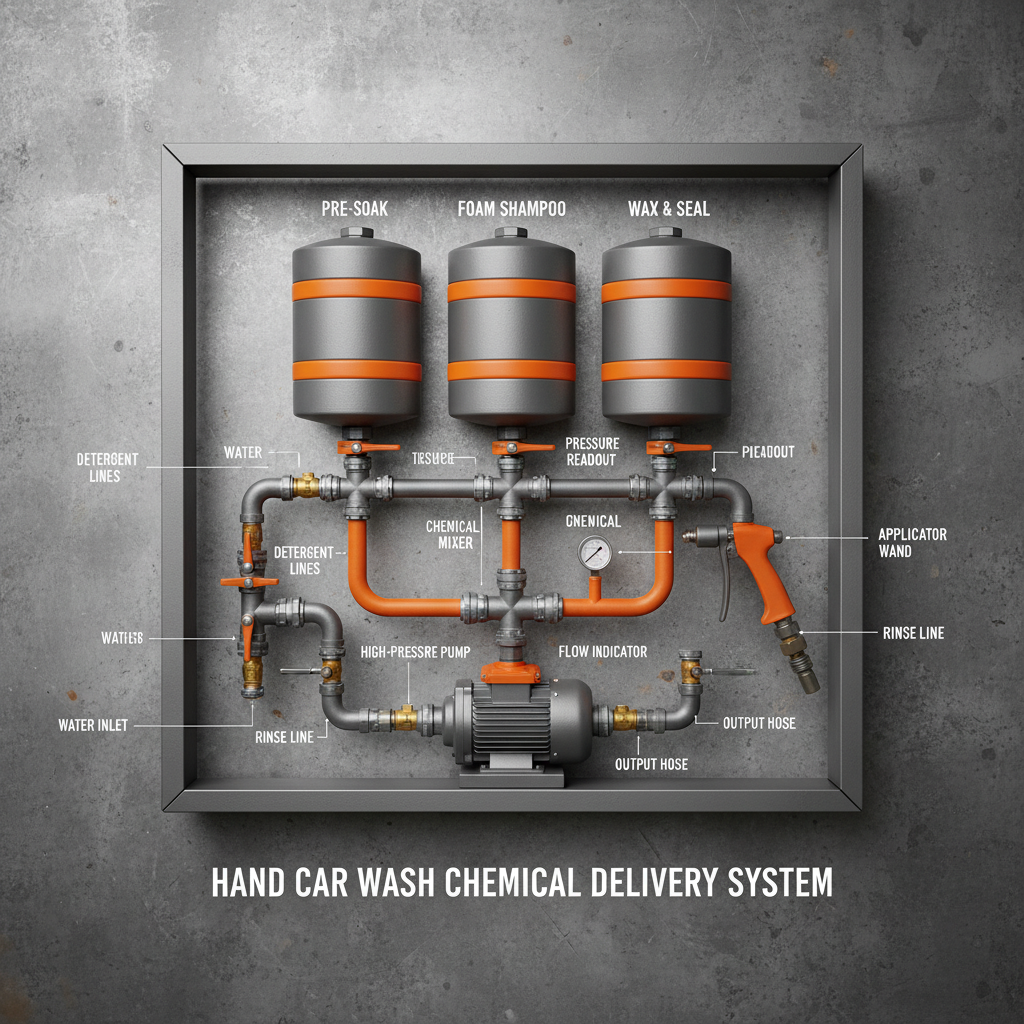
The car wash chemical market is diverse, offering a wide range of products designed for specific stages of the washing process. These generally fall into several categories: pre-washes, soaps/shampoos, wheel cleaners, tire dressings, and waxes/sealants. Pre-washes loosen dirt and grime before the main wash, minimizing the risk of scratching. Soaps and shampoos lift away remaining contaminants. Wheel cleaners tackle brake dust and road grime. Tire dressings enhance appearance. And finally, waxes and sealants protect the paint and provide a lasting shine. Selecting the right combination is crucial for a safe and effective wash.
Key Takeaway: Using the appropriate chemical for each step in the washing process ensures the best possible clean and minimizes the risk of damaging your vehicle's paintwork.
The Importance of pH Levels in Hand Car Wash Chemicals
pH level is a critical factor when choosing car wash chemicals. pH measures acidity or alkalinity on a scale of 0-14, with 7 being neutral. Highly acidic (low pH) or alkaline (high pH) chemicals can damage paint, clear coat, and even rubber components. Ideal car wash soaps typically have a pH between 6 and 8. Avoid products with extreme pH levels. Look for 'pH balanced' formulas to ensure they're safe for your vehicle. Consider also that wheel cleaners often need a slightly higher pH to effectively break down brake dust, but they should be used with caution and rinsed thoroughly.
Understanding pH Levels:
• 0-6: Acidic - Potential for paint damage
• 7: Neutral - Safe for most surfaces
• 8-14: Alkaline - Can be harsh on paint and rubber
Comparing Popular Hand Car Wash Chemical Brands
Numerous brands offer hand car wash chemicals, each with its strengths and weaknesses. Here's a comparison of some popular options:
Proper Application Techniques for Optimal Results
Even the best chemicals won't perform well without proper application. Always follow the manufacturer's instructions. Use a clean wash mitt and avoid re-using dirty water. Rinse thoroughly after each step. For pre-washes, allow the product to dwell for the recommended time before rinsing. When applying soap, work from the top down to avoid re-contaminating already cleaned areas. Proper technique ensures a streak-free finish and protects your vehicle’s paint.
Conclusion: Achieving a Showroom Shine with the Right Chemicals
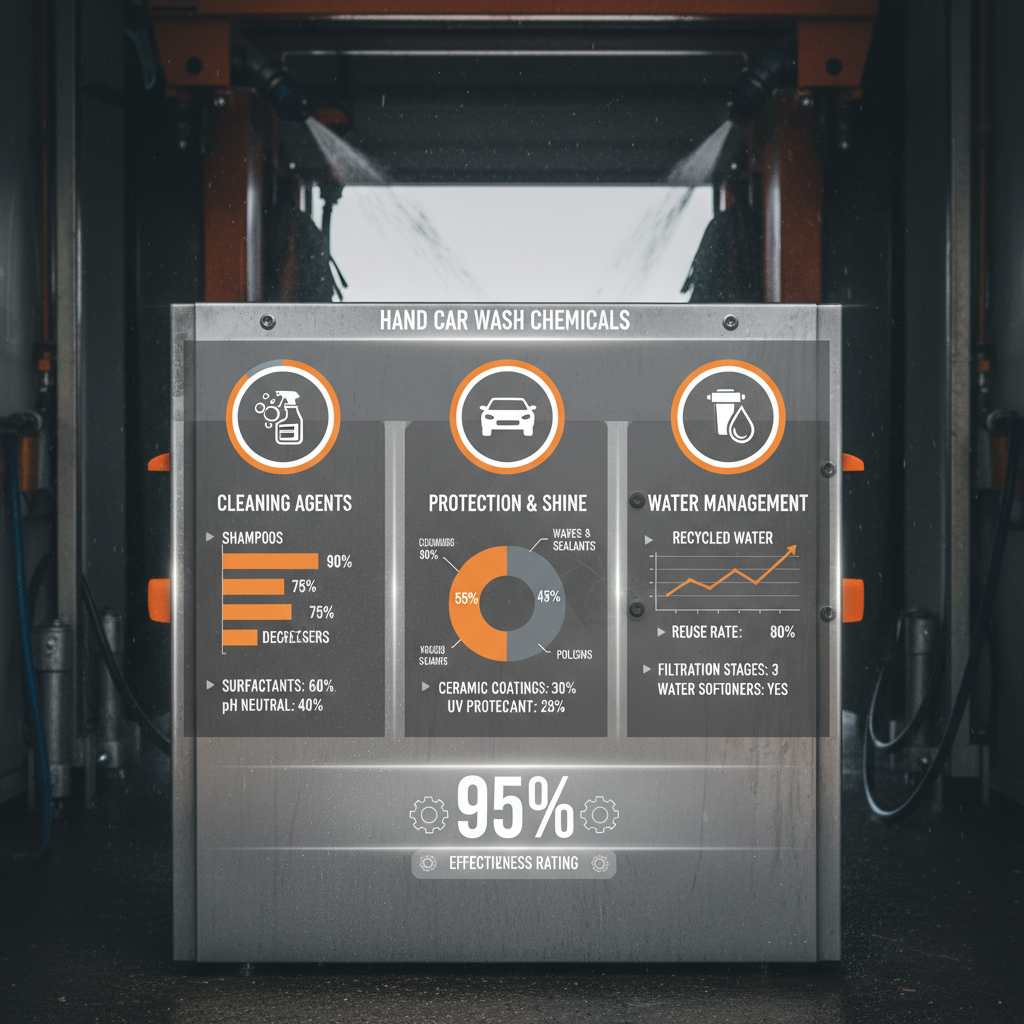
Selecting the right hand car wash chemicals and using them correctly is essential for achieving professional-quality results. Understanding pH levels, comparing brands, and employing proper application techniques will ensure a safe and effective wash. Invest in quality products and protect your vehicle's finish for years to come. Remember to always prioritize safety and follow manufacturer's guidelines for optimal results.
Frequently Asked Questions (FAQs)
What is the difference between a car wash soap and a dish soap?
While both create suds, dish soap is formulated to cut grease and can strip away your car's wax and protective coatings. Car wash soaps are pH-balanced and designed to clean without damaging the paint or clear coat. Using dish soap can lead to a dull, faded finish and increased susceptibility to environmental damage.
How often should I wax my car?
The frequency of waxing depends on your environment and how often you wash your car. Generally, waxing every 3-6 months provides adequate protection. If you live in an area with harsh weather or frequently park outdoors, you may need to wax more often. Look for signs like water no longer beading on the surface as an indicator it’s time to re-wax.
What is a clay bar used for?
A clay bar is used to remove embedded contaminants from your car's paint that washing alone can't remove, such as industrial fallout, tree sap, and overspray. It leaves the surface incredibly smooth, preparing it for waxing or polishing. Always use a lubricant with a clay bar to prevent scratching.
Are all-in-one wash and wax products effective?
All-in-one products offer convenience, but they typically don't provide the same level of protection or shine as separate washing and waxing steps. They can be a good option for quick washes, but for optimal results, it’s recommended to use dedicated products for each stage.
-
Best High Pressure Water Jet for Car Wash and Detailing GuideNewsApr.16,2026
-
Professional High Pressure Water Car Wash Systems GuideNewsApr.09,2026
-
Unlock a Professional Shine with High Pressure Spray Wax TechnologyNewsApr.07,2026
-
Choosing the Right High Pressure Nozzle for Car Wash and DetailingNewsApr.04,2026
-
Choosing the Right High Pressure Car Cleaner for Optimal Vehicle CareNewsMar.31,2026
-
Investing in a High Power Car Washing Machine for Business EfficiencyNewsMar.28,2026