Car Wash Drying Systems – Efficient, Durable Solutions for B2B Automotive Care
Car Wash Drying Systems is a key solution in the industry, specifically within automotive cleaning and maintenance sectors. This article explores how https://www.dycarwasher.com supports professionals with durable, high-performance products, and explains why this product is an ideal choice for businesses in these sectors.
Table of Contents
- Car Wash Drying Systems Overview
- Benefits & Use Cases of Car Wash Drying Systems
- Cost, Maintenance & User Experience
- Sustainability & Market Trends
Car Wash Drying Systems Overview
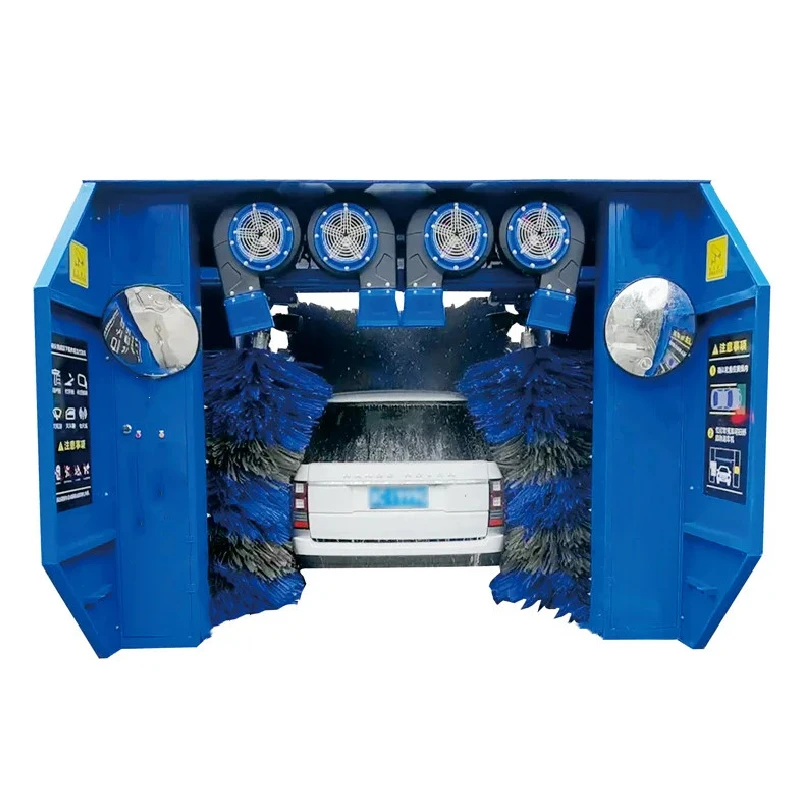
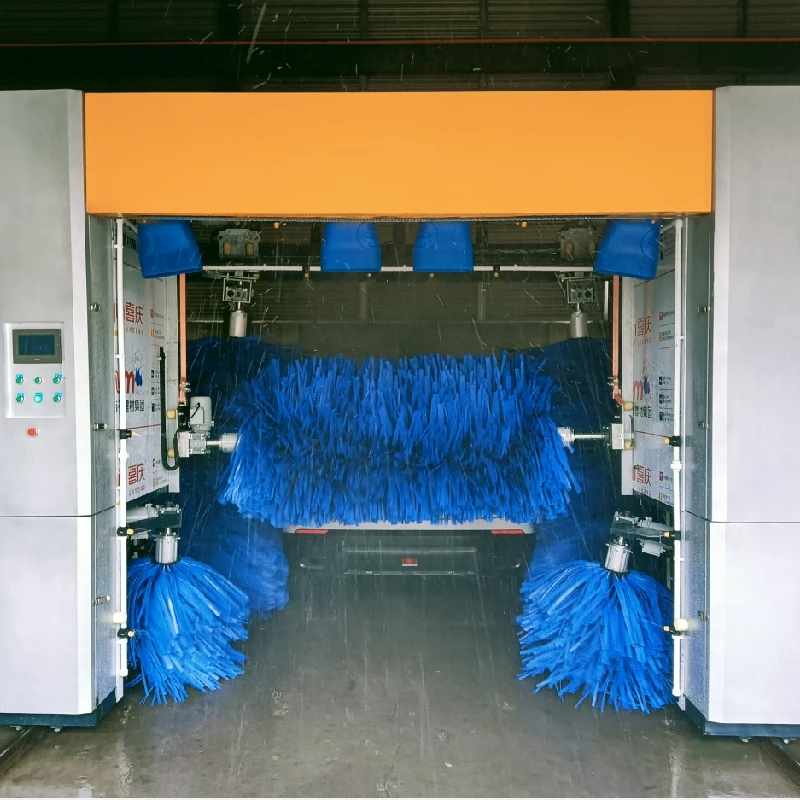
Car Wash Drying Systems represent a specialized technology aimed at efficiently removing residual water from vehicles after washing. At their core, these systems use high-velocity air blowers designed with precision to ensure even drying without damaging delicate car surfaces. If you’re in the automotive service business, this equipment feels like an indispensable tool — it’s almost surprising how much drying can impact customer satisfaction.
- The system comprises powerful fans, adjustable nozzles, and often user-friendly controls, customized to different wash setups.
- Technically, airflow rates can exceed 25,000 cubic feet per minute with motors designed for continuous operation, backed by sturdy, weather-resistant materials — you know, stainless steel or treated aluminum.
- For example, several car wash operators who installed these dryers reported a 40% reduction in turnaround time — a clear win when every minute counts.
Benefits & Use Cases of Car Wash Drying Systems
What really sets these drying systems apart is their adaptability and efficiency in various commercial scenarios. Whether you're running a self-service car wash or managing a fleet maintenance depot, the ability to quickly and gently dry vehicles enhances throughput without sacrificing quality. It’s a bit like giving the vehicle a final polish with air — avoiding fingerprints and water spots.
- Operators swear by energy-efficient motors and smart airflow design that channel air exactly where it’s needed, which cuts down power consumption but improves results.
- These systems also integrate well with automated car wash tracks, syncing drying cycles with washing phases, which is a real timesaver.
- Compared to traditional towel drying or air drying, the mechanical systems reduce labor demands, minimize vehicle surface damage, and improve customer perception.
| Specification | DY Car Washer Model A1 | DY Car Washer Model B2 |
|---|---|---|
| Airflow Capacity (CFM) | 22,500 | 28,000 |
| Motor Power (kW) | 7.5 | 9.0 |
| Noise Level (dB) | 68 | 72 |
| Material | Stainless Steel | Treated Aluminum |
| Warranty | 2 Years | 3 Years |
Cost, Maintenance & User Experience
Sure, the initial price tag of Car Wash Drying Systems may seem steep compared to manual drying options, but when you look closely, the total cost of ownership tells a different story. Durability and low maintenance are major pluses — these systems are built to last, minimizing unexpected downtime. Plus, many users mention improvements in operational efficiency which, frankly, more than offsets the upfront investment.
- Maintenance mainly involves routine cleaning and motor checks; with DY Car Washer’s support, service intervals can stretch longer than industry averages.
- Many clients, including major car rental companies, report higher customer satisfaction scores related to dry and spot-free finishes.
- User interfaces on these units are often intuitive, sometimes even remotely controllable, which fits well with automation trends in B2B sectors.
| Feature | DY Car Washer | Competitor X | Competitor Y |
|---|---|---|---|
| Warranty | 2-3 Years | 1 Year | 2 Years |
| Noise Level (dB) | 68-72 | 75+ | 70-75 |
| Energy Efficiency | High | Medium | Medium-High |
| Ease of Maintenance | Easy | Moderate | Moderate |
Sustainability & Market Trends
If there’s one thing driving innovation lately, it’s sustainability — and Car Wash Drying Systems are no exception. There’s a growing push for energy-efficient machinery that reduces water consumption and environmental footprint. DY Car Washer, for instance, integrates low-energy motors and optimized airflow paths to cut power use while preserving drying power. It’s kind of a neat balance between performance and responsibility.
- With regulations tightening in many regions to limit water and electricity waste, businesses benefit from technology that helps ensure compliance and supports green initiatives.
- Plus, the market for car wash services continues to grow steadily — forecast to increase by around 5% annually — reflecting rising consumer demand as vehicle ownership and cleaning standards evolve.
- In real terms, investing in sustainable drying systems today can mean fewer headaches tomorrow, not just compliance but also marketing advantages when you advertise eco-conscious operations.
Frequently Asked Questions about Car Wash Drying Systems
- What is Car Wash Drying Systems and how does it work?
- Car Wash Drying Systems use powerful air blowers to remove water from vehicle surfaces after washing. By channeling accelerated airflow through nozzles, water droplets are blown off efficiently, which speeds up drying and prevents spotting.
- What are the main benefits of using Car Wash Drying Systems in industrial applications?
- They offer faster drying times, reduce labor requirements, protect vehicle finishes from damage, and improve operational efficiency — all crucial for high-throughput environments like commercial car washes and fleet servicing.
- How does Car Wash Drying Systems compare to traditional alternatives?
- Compared to towel drying or passive air drying, mechanical drying systems provide consistent results, save time, lower labor costs, and reduce water spots. They also integrate well with automated processes, offering scalability.
- What industries can benefit most from Car Wash Drying Systems implementation?
- Mainly, automotive service providers including commercial car washes, fleet operators, rental agencies, and vehicle detailing businesses find significant value. Success stories often highlight improved turnaround and customer satisfaction metrics.
Conclusion on Car Wash Drying Systems from china
To wrap up, Car Wash Drying Systems offered by https://www.dycarwasher.com stand out as a practical, durable solution perfectly suited to meet the demands of modern vehicle cleaning operations. They deliver measurable efficiency gains while aligning with evolving sustainability goals. For any business aiming to stay competitive and serve customers better, looking into these systems is worth your time.
- The technology is proven, adaptable, and backed by credible manufacturer support.
- - "Visit our website: https://www.dycarwasher.com"
So, if you’re thinking about where to invest for the next generation of vehicle care — this product category might just surprise you with how much it improves efficiency and customer delight.
-
Best High Pressure Water Jet for Car Wash and Detailing GuideNewsApr.16,2026
-
Professional High Pressure Water Car Wash Systems GuideNewsApr.09,2026
-
Unlock a Professional Shine with High Pressure Spray Wax TechnologyNewsApr.07,2026
-
Choosing the Right High Pressure Nozzle for Car Wash and DetailingNewsApr.04,2026
-
Choosing the Right High Pressure Car Cleaner for Optimal Vehicle CareNewsMar.31,2026
-
Investing in a High Power Car Washing Machine for Business EfficiencyNewsMar.28,2026