Best Car Wash Materials for Industrial Equipment in 2024
Choosing the Right Car Wash Materials for Industrial Use
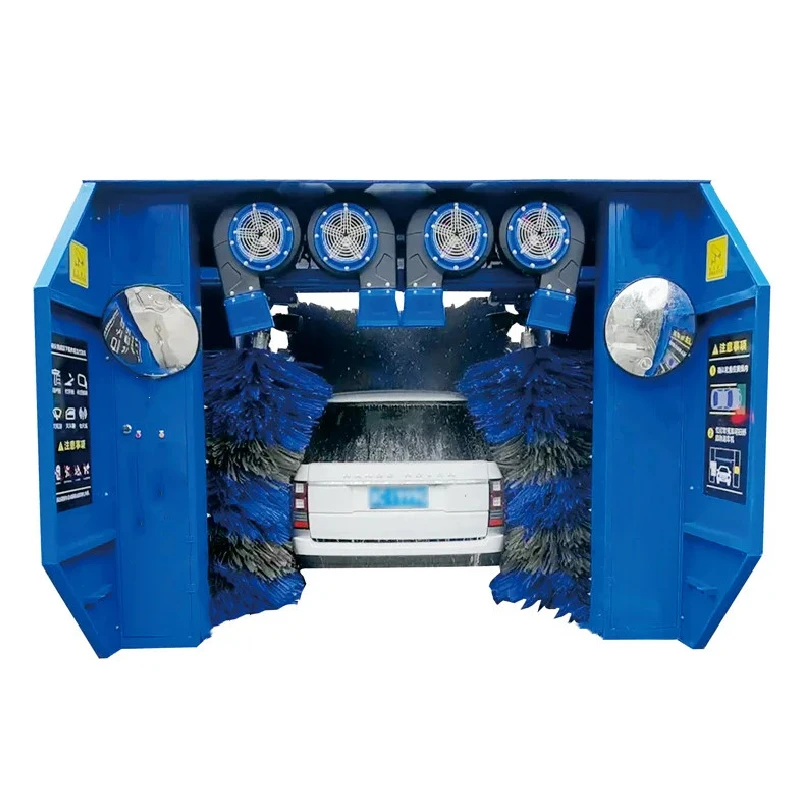
Having worked in the industrial equipment sector for over a decade, I can say that the choice of car wash materials really makes or breaks the efficiency and lifespan of any washing system. Oddly enough, it’s not just about the shiny brush or foam — the materials holding it all together often fly under the radar, but their impact is huge.
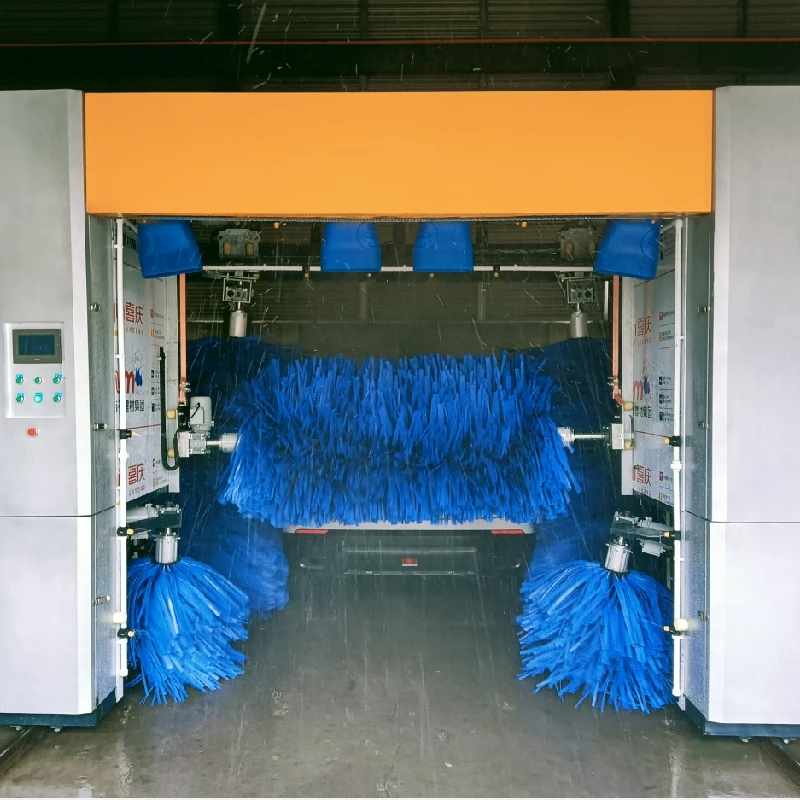
Let me give you a bit of perspective from the floor: years ago, we ran into problems with early car wash brushes whose nylon bristles barely lasted six months under heavy use, especially in harsher climates. Switching to more abrasion-resistant fibers changed the game. Now, many engineers I know prefer softer, yet tougher synthetic blends — kind of like combining the best of both worlds: gentle on paint, but tough on grime.
In real terms, the choice of materials affects everything — from maintenance downtime to customer satisfaction. For instance, water absorption rates matter in some foam applicators; too much, and you lose efficiency (and potency of detergents). It’s a balancing act, and frankly, manufacturers like Dycar Washer have been refining this over years of field testing and feedback. That's why their materials line feels trusted — they’ve seen it all, from urban grime to salt-heavy coastal environments.
Key Product Specifications to Watch For
| Material Type | Durability (Cycles) | Water Absorption | Compatibility | Typical Use |
|---|---|---|---|---|
| Polypropylene Fiber | 100,000+ | Low | Soft Brushes, Foam Applicators | High-speed washes, gentle on paint |
| Nylon Bristles | 50,000 - 75,000 | Moderate | Brushes and Pads | Heavy-duty dirt removal |
| Microfiber Cloth | 20,000 - 30,000 | High | Detailing Applicators | Final wipe, polish |
| Polyester Fiber | 80,000+ | Moderate | Foam Brushes, Wraps | Versatile, medium abrasion |
What really surprised me was how these specs tend to be overlooked by newcomers, who just pick “whatever brush feels good” without thinking about long-term wear or how different fibers react to chemicals. From the vendor side, I’ve noticed a few clear leaders based on consistency, material origin, and customization options.
Vendor Comparison: Dycar Washer and Competitors
| Feature | Dycar Washer | Competitor A | Competitor B |
|---|---|---|---|
| Material Quality | High-grade, tested in field | Standard industrial grade | Varies, less consistent |
| Customization Options | Extensive (fiber blends, shapes) | Limited selections | Some pre-set options |
| Lead Time | 2-3 weeks typical | 3-4 weeks | 1-2 weeks (stock items only) |
| Customer Support | Dedicated tech team, on-site consults | Email support only | Limited phone assistance |
| Price Range | Mid to high-end | Low-end budget options | Mid-range |
For example, a client of mine once switched to Dycar Washer’s polypropylene blends after facing repeated brush failures with another brand. Within a few months, their downtime shrunk massively, and even the drivers started noticing the difference in finish quality. Little details like consistent fiber length and resilient cores really add up.
At the end of the day, selecting the right car wash materials means balancing practical wear factors, chemistry compatibility, and cost. If you’re serious about minimizing headaches and getting the best results, it pays to lean on vendors who understand industrial challenges firsthand — who’ve tested materials in real-world scenarios, not just in labs.
So yeah, it feels like a small piece of the puzzle, but getting your car wash materials right sets the tone for everything else down the line.
Quick notes:
- Always ask about abrasion testing and chemical resistance.
- Don’t underestimate the value of post-sale support.
- Customization might cost more upfront but saves downtime long term.
References:
1. Industry field reports (2018-2023)
2. Manufacturer material data sheets (Dycar Washer)
3. Independent abrasion testing labs (2022)
-
Best High Pressure Water Jet for Car Wash and Detailing GuideNewsApr.16,2026
-
Professional High Pressure Water Car Wash Systems GuideNewsApr.09,2026
-
Unlock a Professional Shine with High Pressure Spray Wax TechnologyNewsApr.07,2026
-
Choosing the Right High Pressure Nozzle for Car Wash and DetailingNewsApr.04,2026
-
Choosing the Right High Pressure Car Cleaner for Optimal Vehicle CareNewsMar.31,2026
-
Investing in a High Power Car Washing Machine for Business EfficiencyNewsMar.28,2026