Best Car Wash Gear: Durable & Customizable Cleaning Equipment
Car Wash Gear: The Nuts and Bolts of a Squeaky-Clean Industry
Having spent well over a decade working around industrial equipment — including, frankly, a good chunk of time with car wash gear — I’ve come to appreciate the unassuming complexity hiding behind those spotless, gleaming autos we see rolling out every day.
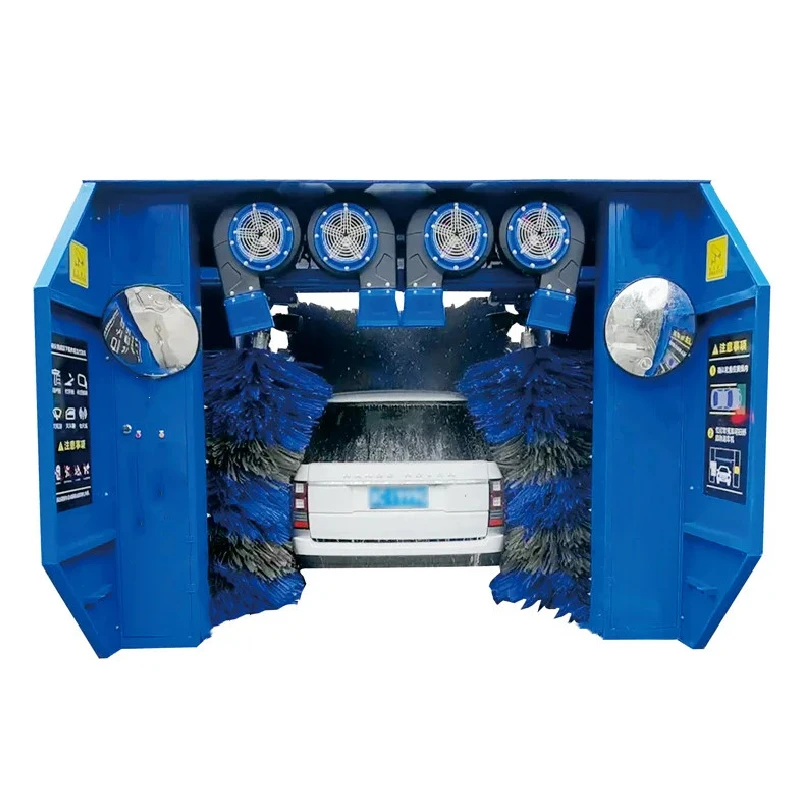
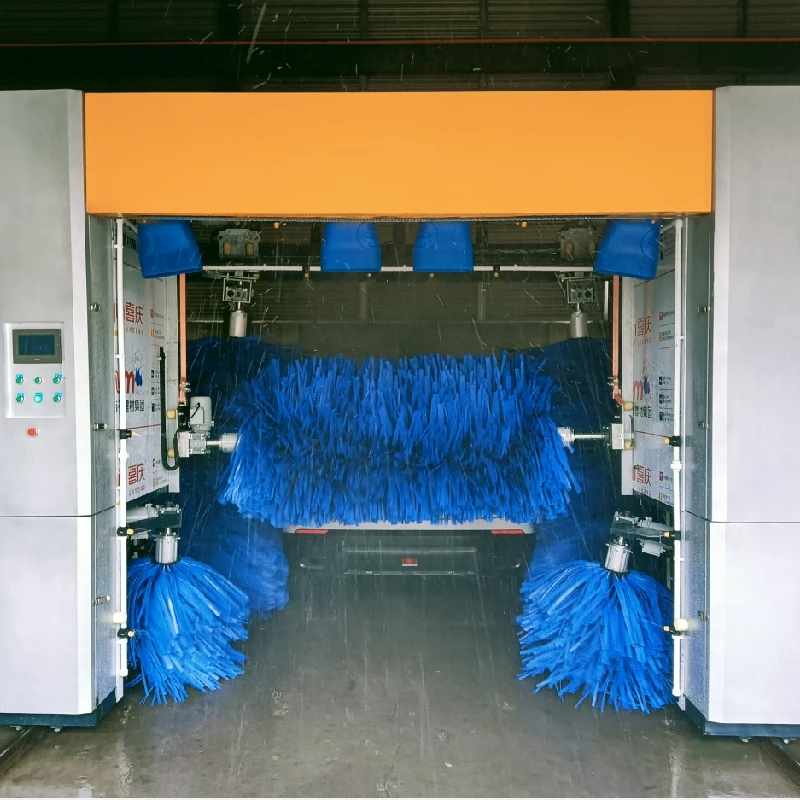
Oddly enough, most folks only think of a car wash as a quick rinse in the rain. But the equipment itself? There’s real engineering muscle behind those brushes, nozzles, and conveyor systems. In real terms, a successful system juggles power, water efficiency, durability, and user-friendliness — and it’s not always easy to get all these right.
For instance, one of the key challenges is the material of the brushes. Most car wash brushes nowadays tend to be made from soft, synthetic bristles rather than the older, harsher materials. This shift reduces the risk of scratches while maintaining a good clean. I remember a client telling me how swapping to a softer brush system improved customer satisfaction immensely — fewer complaints, and cars came out nicer. It's the kind of small change that pays off.
Testing this equipment usually involves stress-testing water pressure variations and rotations per minute of different brush motors. Manufacturers often provide specs that look great on paper, but in the field, things can differ — you’ll want machines that can adapt to different vehicle sizes, from compact cars to bigger SUVs, without compromising cleaning performance.
Customization also plays a big role. Some car wash setups allow you to program various wash cycles, combining pre-rinse, soap application, scrubbing, and drying. This flexibility means garages or service stations can cater to different customer needs: quick washes, lengthy detail-focused sessions, or eco-friendly water-saving modes.
Speaking of eco-friendly, water recycling technology is becoming more mainstream in car wash gear. It saves gallons and meets increasing environmental regulations. Though it sometimes adds upfront costs, the long-term savings — and goodwill — are worth it.
Standard Car Wash Gear Specifications
| Component | Specification |
|---|---|
| Brush Material | Soft synthetic fibers (polyester blend) |
| Motor Power | 1.5 - 3.0 HP, variable speed |
| Water Pressure | 30 – 60 PSI adjustable |
| Control Unit | Programmable PLC with touchscreen interface |
| Water Recycling | Optional with filtration system |
Comparing Top Car Wash Gear Vendors
| Vendor | Price Range | Customization | Warranty | Eco Features |
|---|---|---|---|---|
| Dy Car Washer | $$$ | Highly programmable wash cycles | 3 years full | Water recycling optional |
| CleanTech Systems | $$ | Limited presets, no PLC | 2 years | No |
| EcoWash Pro | $$$$ | Fully customizable with app control | 5 years | Integrated water recycling & solar power |
In my experience, the choice really depends on your specific operation size and budget. I once advised a local dealership to opt for a mid-tier system from Dy Car Washer. They liked the programmable cycles — it meant they could easily switch between a quick rinse and more detailed cleaning for high-end vehicles without extra fuss.
One note: if you’re thinking about long-term operation, consider the ease of maintenance. Some brands make it a point to keep spare parts cheap and service simple, which you might not appreciate until you’re facing a downtime scenario.
To wrap up — car wash gear might look straightforward, but picking the right setup requires a blend of solid specs, customization, and above all, reliability. Don’t just chase the cheapest option. I suppose it’s like anything industrial: the upfront investment pays off only if it keeps humming smoothly for years.
And if you want to dig a little deeper into car wash gear specifics, trust me, the right site with detailed specs and user testimonials can save a lot of guesswork.
Reflection: It’s fascinating how something we take for granted — a clean car — rests on decades of equipment evolution and smart engineering. Not just machines, but partnerships between manufacturers and operators shape this essential industry.
- Industry Trends Report, Industrial Equipment Monthly, 2023
- Dy Car Washer Official Documentation, 2024
- User Testimonial Compilation, CleanFleet Garage, 2023
-
Best High Pressure Water Jet for Car Wash and Detailing GuideNewsApr.16,2026
-
Professional High Pressure Water Car Wash Systems GuideNewsApr.09,2026
-
Unlock a Professional Shine with High Pressure Spray Wax TechnologyNewsApr.07,2026
-
Choosing the Right High Pressure Nozzle for Car Wash and DetailingNewsApr.04,2026
-
Choosing the Right High Pressure Car Cleaner for Optimal Vehicle CareNewsMar.31,2026
-
Investing in a High Power Car Washing Machine for Business EfficiencyNewsMar.28,2026