Reliable Car Wash Systems for Efficiency & Eco-Friendly Operation
Everything You Should Know About car wash systems
Having been in the industrial equipment sector for well over a decade, I’ve seen car wash systems evolve from fairly rudimentary machines to highly sophisticated setups optimized for efficiency, durability, and environmental care. Oddly enough, despite their apparent simplicity—after all, it’s “just” washing cars—there's a lot going on under the hood, so to speak, which frankly is what makes this equipment fascinating.
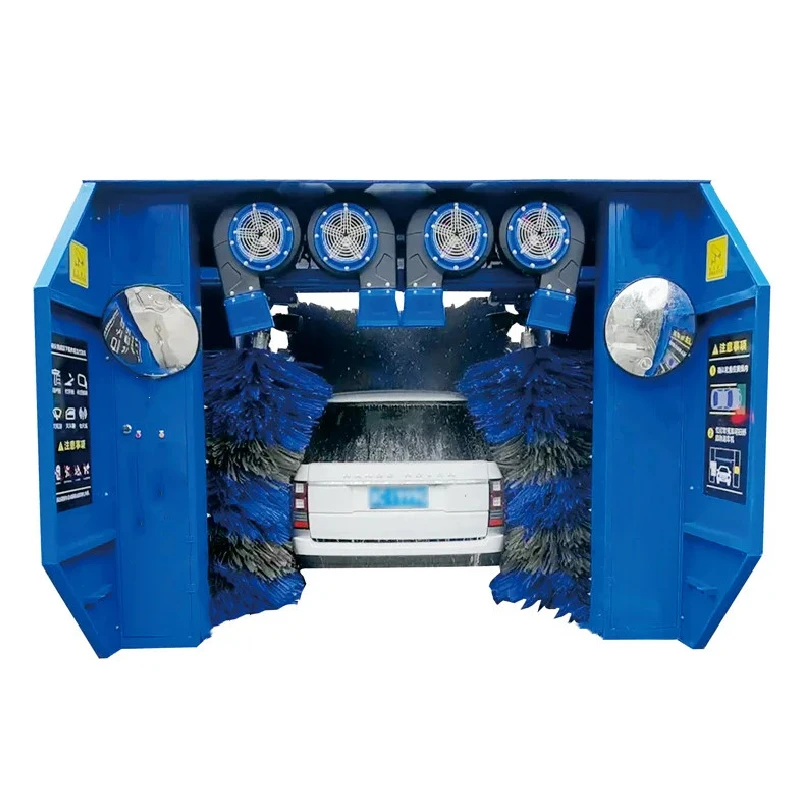
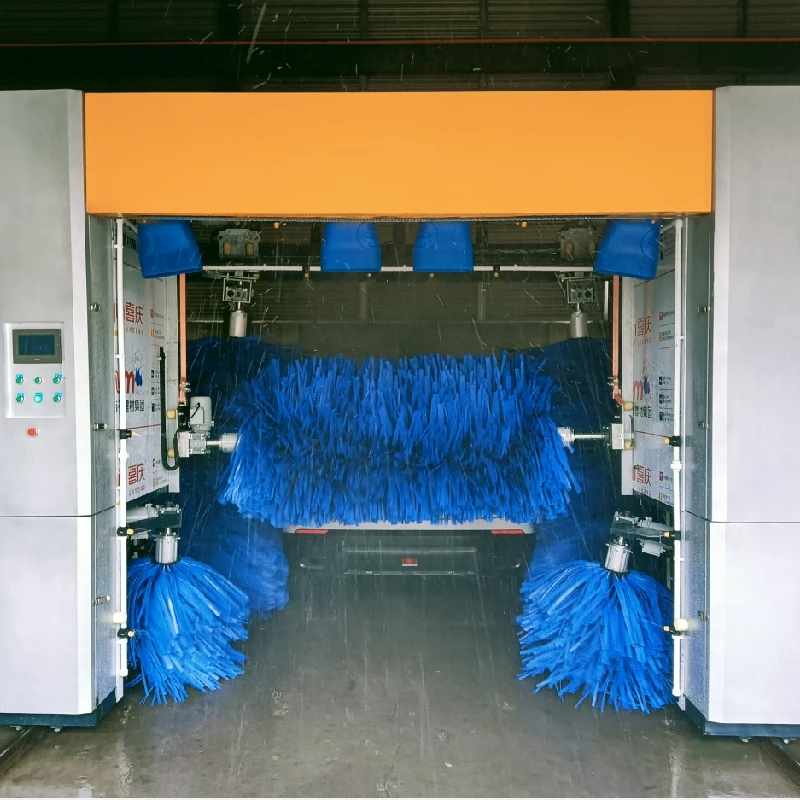
In real terms, modern car wash systems employ various carefully engineered components: high-quality stainless steel arms, corrosion-resistant nozzles, programmable logic controllers, and even water recycling modules. The goal isn't just clean cars – it's efficiency, reliability, and environmental friendliness—all while handling thousands of vehicles a month without faltering.
One thing I noticed early on is that many in this industry underestimate how critical materials are. For instance, simply upgrading from standard steel to stainless steel can extend the system’s life by years, which is no small advantage with equipment exposed to harsh detergents and constant moisture. I suppose many engineers nod along when I say that the finishing on these parts really matters for long-term maintenance.
Customization is another theme that keeps popping up. Clients often want tailor-made cycles—delicate rinses for luxury vehicles versus high-powered scrubbers for heavy-duty trucks. The best manufacturers offer modular systems adaptable to these needs without a complete overhaul, which saves both downtime and money. I remember a client praising a system’s quick switch between wash modes, which really helped during peak seasons.
Key Product Specifications
| Spec | Details |
|---|---|
| Wash Cycle Time | 4 - 8 minutes (configurable) |
| Water Usage | 20 - 30 gallons per wash (with recycling) |
| Detergent Types | Biodegradable options supported |
| Materials | Stainless Steel, UV-resistant polymers |
| Control System | Programmable Logic Controller (PLC) |
| Water Recycling | Up to 85% water reuse |
Speaking of vendors, I’ve worked alongside a handful, and oddly enough, their approaches to innovation differ. Some favor raw power and speed, others prioritize eco-friendly processes. There’s no one-size-fits-all here, of course. Still, I wanted to give you a quick glance at how three major players stack up:
Vendor Comparison
| Vendor | Durability | Eco Features | Customization | Cost Range |
|---|---|---|---|---|
| DyCar Washer | Excellent (Stainless Steel Parts) | Water recycling, biodegradable detergents | Highly modular and programmable | $$$ |
| AquaClean Systems | Good (Some metal composites) | Basic water saving modes | Moderate customization | $$ |
| SwiftWash Tech | Fair (Plastic components) | Limited eco solutions | Low customization | $ |
One little story I often share: A regional dealership in my neighborhood installed a DyCar Washer system last year, looking to reduce water waste and speed up their prep line. Within three months, their maintenance costs dropped noticeably, and employees often mention how the system’s intuitive interface makes cycle adjustments easy. That sort of feedback matters because in this line of work, downtime costs real money.
All things considered, picking the right car wash system boils down to what you value most: speed, durability, eco-friendliness, or budget. It's kind of like choosing a reliable teammate—you want one that will hold up on the long haul, adapt to challenges, and not let you down on the busiest days. If you’re looking into options, visiting car wash systems providers like DyCar Washer is a solid starting point.
In the end, these systems aren’t just machines—they’re the unsung heroes of countless automotive businesses that depend on consistent, high-quality results. And if you ask me, nothing beats the satisfaction of perfect shine with a minimal environmental footprint.
Reflecting on this journey through car wash technology, it’s clear that progress in this sector keeps surprising me—every advancement feels like a nuanced solution to a complex set of needs. For anyone invested in automotive care or industrial equipment, digging into the specs and vendor strengths is more than worthwhile.
References:
- Industrial Equipment Journal, “Developments in Car Wash Technology,” 2023.
- Environmental Impact Reports on Water Usage in Industrial Car Washes, 2022.
- Interviews with Equipment Manufacturers and End-Users, 2023.
© Industrial Equipment Insights 2024
-
Best High Pressure Water Jet for Car Wash and Detailing GuideNewsApr.16,2026
-
Professional High Pressure Water Car Wash Systems GuideNewsApr.09,2026
-
Unlock a Professional Shine with High Pressure Spray Wax TechnologyNewsApr.07,2026
-
Choosing the Right High Pressure Nozzle for Car Wash and DetailingNewsApr.04,2026
-
Choosing the Right High Pressure Car Cleaner for Optimal Vehicle CareNewsMar.31,2026
-
Investing in a High Power Car Washing Machine for Business EfficiencyNewsMar.28,2026