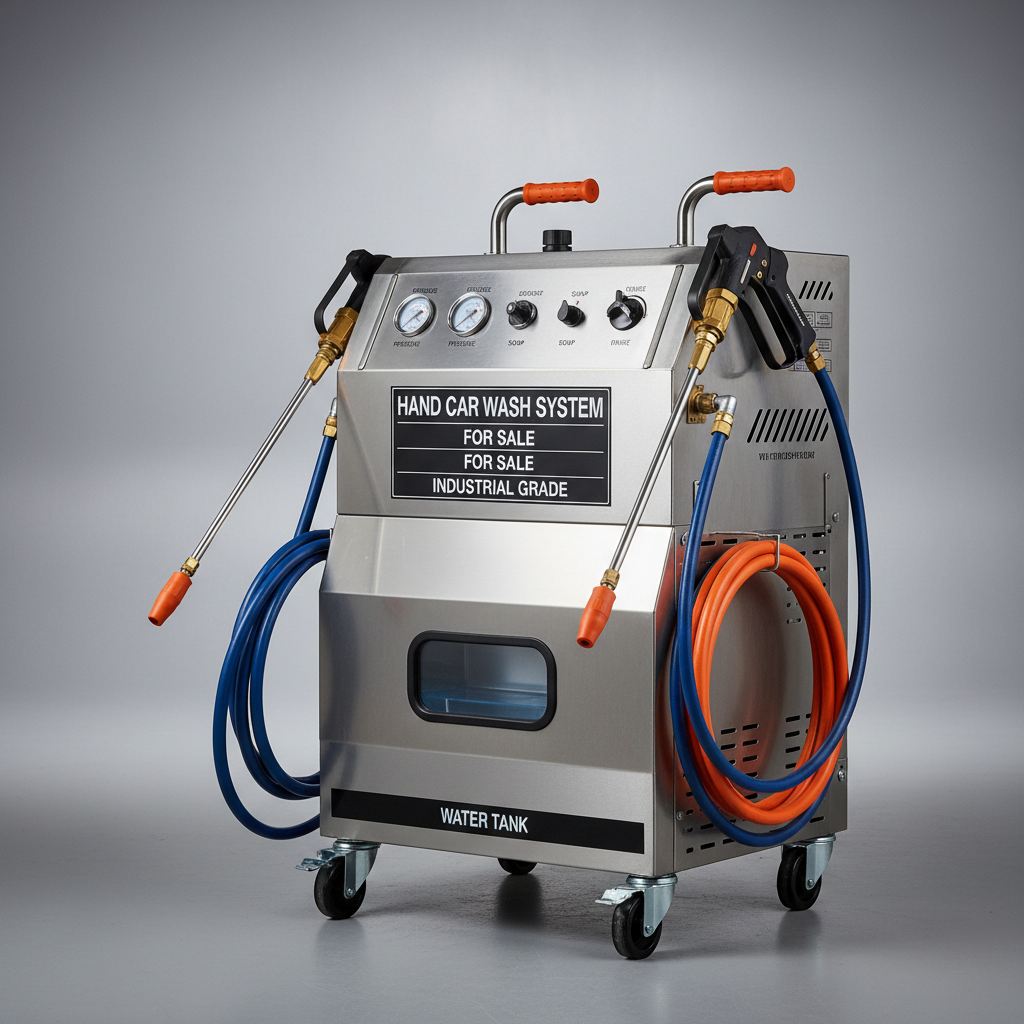
Selecting the right industrial cleaning system often comes down to a critical decision: balancing throughput speed with vehicle safety. For business operators, the search for reliable car washer suppliers is no longer just about finding a machine, but about securing a sustainable operational asset that minimizes labor and maximizes vehicle turnover.
The shift toward automation in the vehicle care sector is driven by the need for precision. Modern systems must now handle a diverse array of vehicle dimensions—from compact minivans to large SUVs—without risking paint damage or missing critical cleaning zones. This requires a sophisticated integration of PLC controls, sensory feedback, and high-efficiency drying systems.
In this analysis, we explore the technical architecture and selection frameworks necessary for deploying automated washing systems, using professional manufacturing standards as a benchmark for operational reliability.


Traditional car washing has evolved from manual labor to high-precision automated cycles. The current industry standard centers on Programmable Logic Controllers (PLC), which allow the machine to "interact" with the vehicle. This intelligence ensures that the cleaning process is not a static movement but a responsive action based on the vehicle's actual dimensions.
By integrating touch-screen interfaces and remote control capabilities, operators can now manage complex washing cycles—including foam spraying and high-pressure rinsing—with minimal intervention. This transition reduces human error and ensures a consistent quality of service across hundreds of vehicles per day.
A robust automated car wash is built upon a galvanized steel main structure to prevent corrosion in high-moisture environments. The mechanical heart of these systems usually consists of a coordinated brush array: a top brush for the roof, skirt brushes for the sides and wheel hubs, and vertical brushes for the front and rear wraps. This multi-axis approach ensures no blind spots are left during the cycle.
The fluid delivery system is equally critical. High-pressure water injection systems are paired with foam-wax spraying modules to lift dirt and provide a protective layer to the paint. The sequence—typically starting with a pre-spray, moving to brush scrubbing, and ending with a high-power air dry—is optimized to reduce water consumption while maximizing cleaning efficacy.
From a component perspective, the reliability of these machines depends on the sourcing of pneumatic and sensing devices. Utilizing components from established European and Japanese manufacturers helps maintain a low failure rate, ensuring that the equipment can withstand continuous operation in high-traffic commercial environments.
One of the primary concerns for vehicle owners is the potential for surface scratching. Professional systems mitigate this risk through automatic sensing technology. Sensors detect the specific width and height of the car body in real-time, adjusting the brush distance dynamically to ensure effective contact without applying excessive pressure.
The integration of a fully automatic fault detection and alarm system is non-negotiable for industrial safety; it prevents mechanical collisions by instantly halting operations when an anomaly is detected.
This safety-first approach is complemented by the use of imported washing brushes designed specifically to be paint-friendly. By avoiding sludge pollution and debris buildup within the brush fibers, the system maintains a clean contact surface, which is essential for protecting high-end automotive finishes.
Evaluating the performance of a car wash system requires looking at the ratio of water consumption to throughput speed. For example, a standard high-efficiency machine can process 20-25 vehicles per hour while maintaining a water consumption rate of 80-120 liters per car. This balance is critical for maintaining profitability in small to medium investments.
Beyond speed, the energy profile—ranging from 6kw to 22kw depending on the drying system's power—determines the long-term overhead costs. The goal for modern car washer suppliers is to reduce the "cost per wash" through energy-saving motors and optimized water recycling.
The choice between a reciprocating "drum" style machine and a tunnel system depends largely on available site space and investment capacity. Reciprocating machines are ideal for small to medium investments where space is limited; the car remains stationary while the machine moves back and forth. This is particularly effective for fleets of minivans or boutique car care centers.
Conversely, high-volume commercial hubs require tunnel systems or specialized bus washing machines. In these settings, the priority shifts toward maximum vehicle flow. Regardless of the scale, integrating a strong air-drying system is essential to eliminate manual wiping, which is often the primary bottleneck in the washing process.
Environmental regulation is pushing the industry toward "green" washing. This involves not only the use of biodegradable water-wax solutions but also the implementation of water recycling systems that filter and reuse a significant percentage of the wash water.
Technological innovation is now focusing on "contactless" options for ultra-sensitive surfaces, although brush-based systems remain the standard for heavy dirt removal. The goal is to create a hybrid approach where chemical efficacy and mechanical precision reduce the overall volume of water needed.
Looking forward, the integration of IoT and remote diagnostics will allow car washer suppliers to provide predictive maintenance, reducing unplanned downtime and extending the service life of the galvanized structures and electronic components.
When evaluating different washing systems, buyers must look beyond the initial price tag and consider the Total Cost of Ownership (TCO). This includes the electricity consumption per cycle, the cost of replacing brushes, and the maintenance requirements of the PLC and pneumatic systems.
A critical trade-off exists between the complexity of the machine and the ease of operation. Systems with a dual-language (Chinese/English) touch interface and automatic vehicle recognition reduce the need for highly skilled labor, allowing for simpler staffing models.
Ultimately, the decision should be based on the specific vehicle mix of the target market. A machine optimized for minivans will have different brush pressures and timing than one designed for heavy-duty trucks or luxury sedans.
| Evaluation Factor | Reciprocating System | Tunnel System | Key Consideration |
|---|---|---|---|
| Space Requirement | Low / Compact | High / Linear | Site Footprint |
| Investment Level | Small to Medium | High Capital | ROI Period |
| Throughput Speed | Moderate (20-25 pcs/h) | Very High | Customer Volume |
| Operational Logic | Machine Moves | Vehicle Moves | Traffic Flow |
| Maintenance Complexity | Lower | Higher | Technical Staff |
| Vehicle Versatility | High (Sensing Based) | Standardized | Fleet Diversity |
The system utilizes PLC-controlled sensors that detect the car's width and height in real-time. As the brushes move, the sensors provide constant feedback, allowing the machine to automatically adjust the brush distance. This ensures the brushes maintain effective contact for cleaning without applying excessive pressure that could damage the vehicle's paint or mirrors.
For a standard professional-grade automatic washing machine, water consumption typically ranges between 80 to 120 liters per vehicle. This varies based on the chosen cleaning cycle (e.g., whether a bottom wash or extra rinse is selected) and the efficiency of the high-pressure injection system used by the supplier.
For small to medium investments, a reciprocating (drum) car wash is generally superior. It requires significantly less space since the car remains stationary while the machine moves. This reduces site preparation costs and is highly effective for low-to-moderate volumes of minivans and standard passenger cars.
Modern systems are designed for simplicity. With a touch-screen control interface that supports multiple languages and fully automatic cycles, basic operation requires minimal training. However, periodic technical maintenance of the PLC and pneumatic components is recommended to ensure long-term reliability.
Galvanized steel is essential because car washing environments are characterized by constant exposure to water, detergents, and humidity. Galvanization provides a protective zinc coating that prevents rust and corrosion, significantly extending the lifespan of the machine's main frame and moving structures.
Not if the system is equipped with high-power drying fans. Professional systems typically use four or more high-power fans to blow water off the vehicle body quickly. This eliminates the need for manual wiping, which reduces labor costs and prevents the introduction of new scratches from towels.
Investing in automated vehicle cleaning technology is a strategic move to improve operational throughput and ensure a consistent customer experience. By focusing on the synergy between PLC intelligence, material durability, and sensory precision, operators can minimize the risks associated with vehicle damage while maximizing their return on investment.
Whether opting for a compact reciprocating system or a high-volume tunnel, the key lies in selecting partners who prioritize technical training, environmental sustainability, and rigorous safety standards. As the industry moves toward greener solutions, the focus will continue to shift toward water efficiency and predictive maintenance.