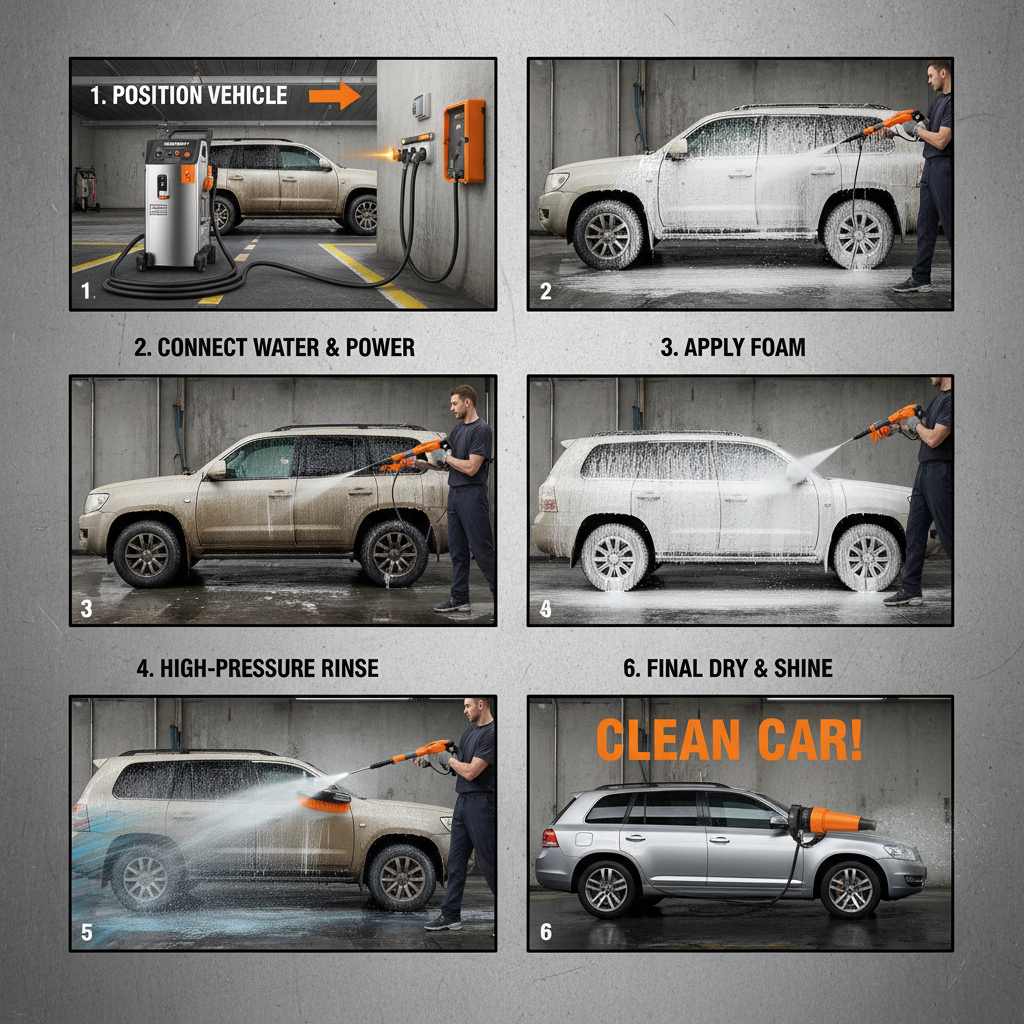
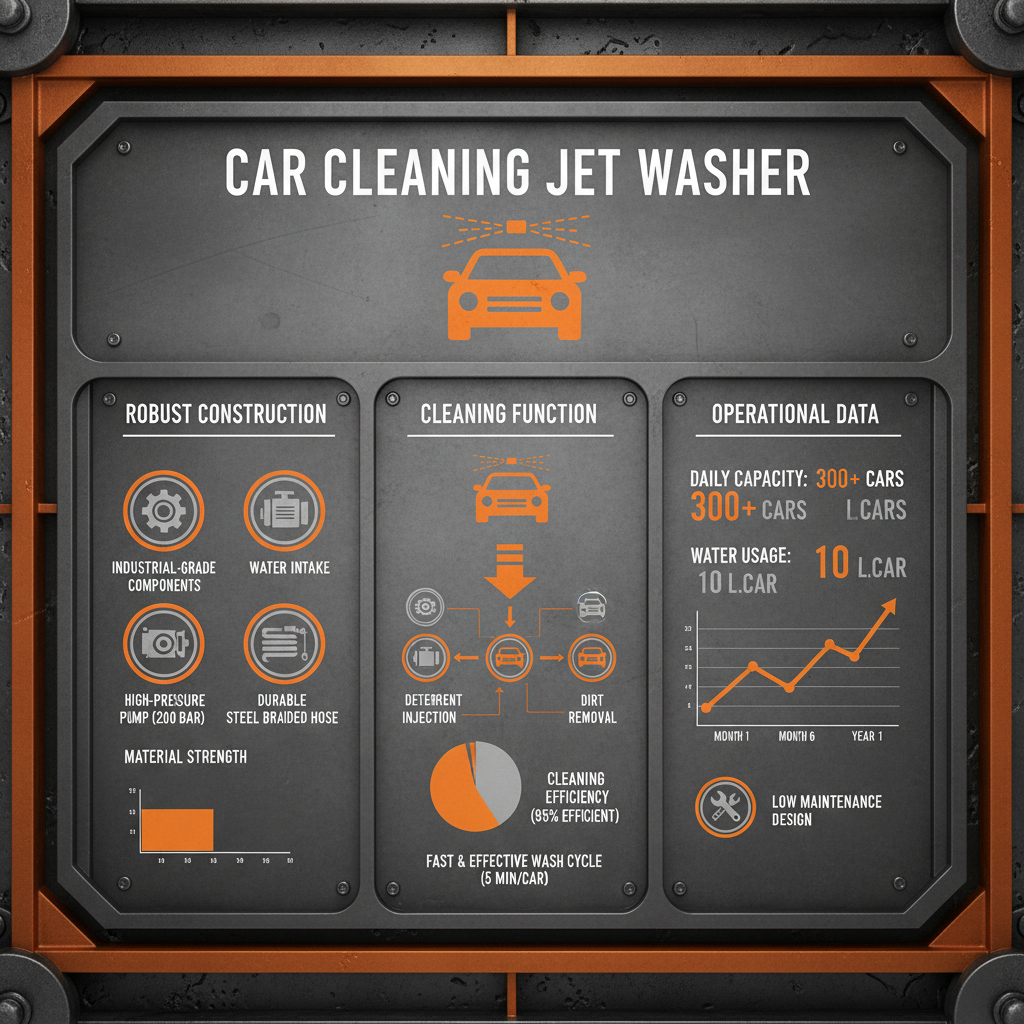
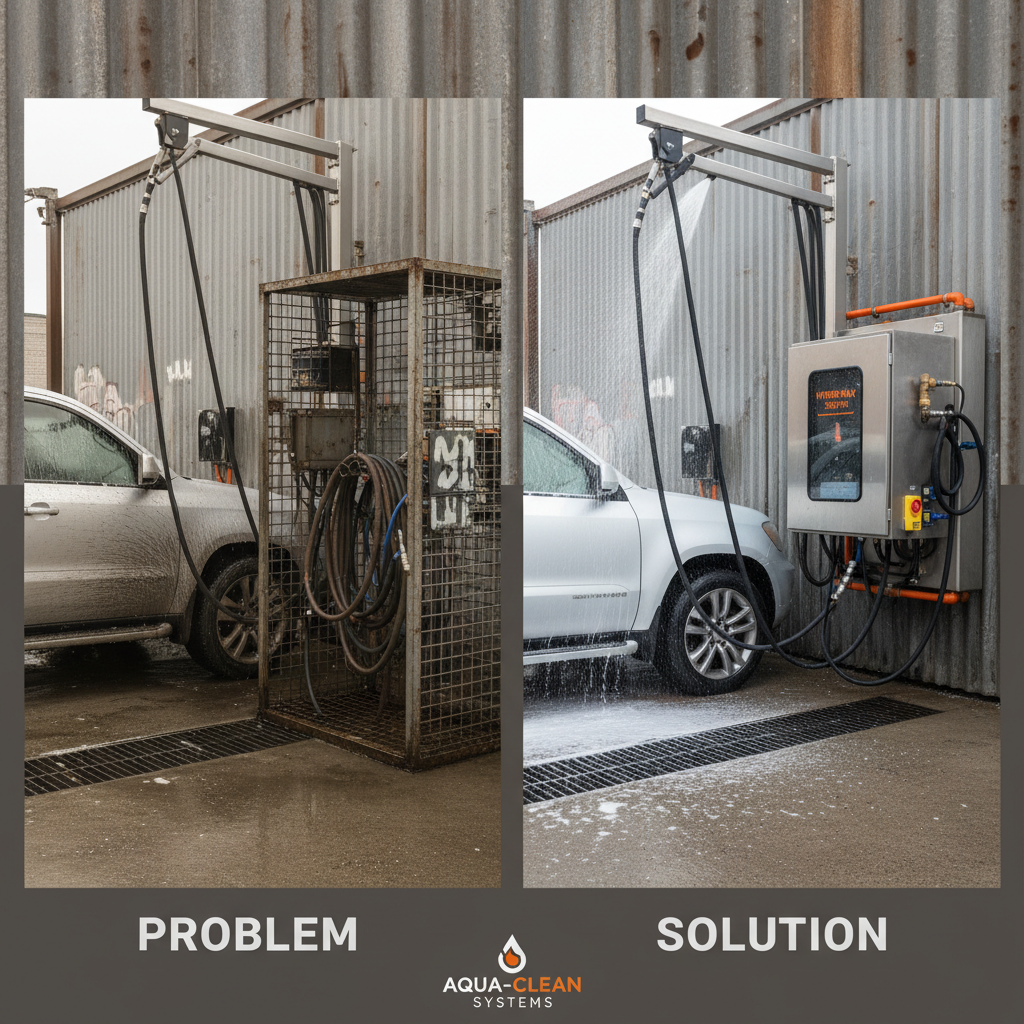
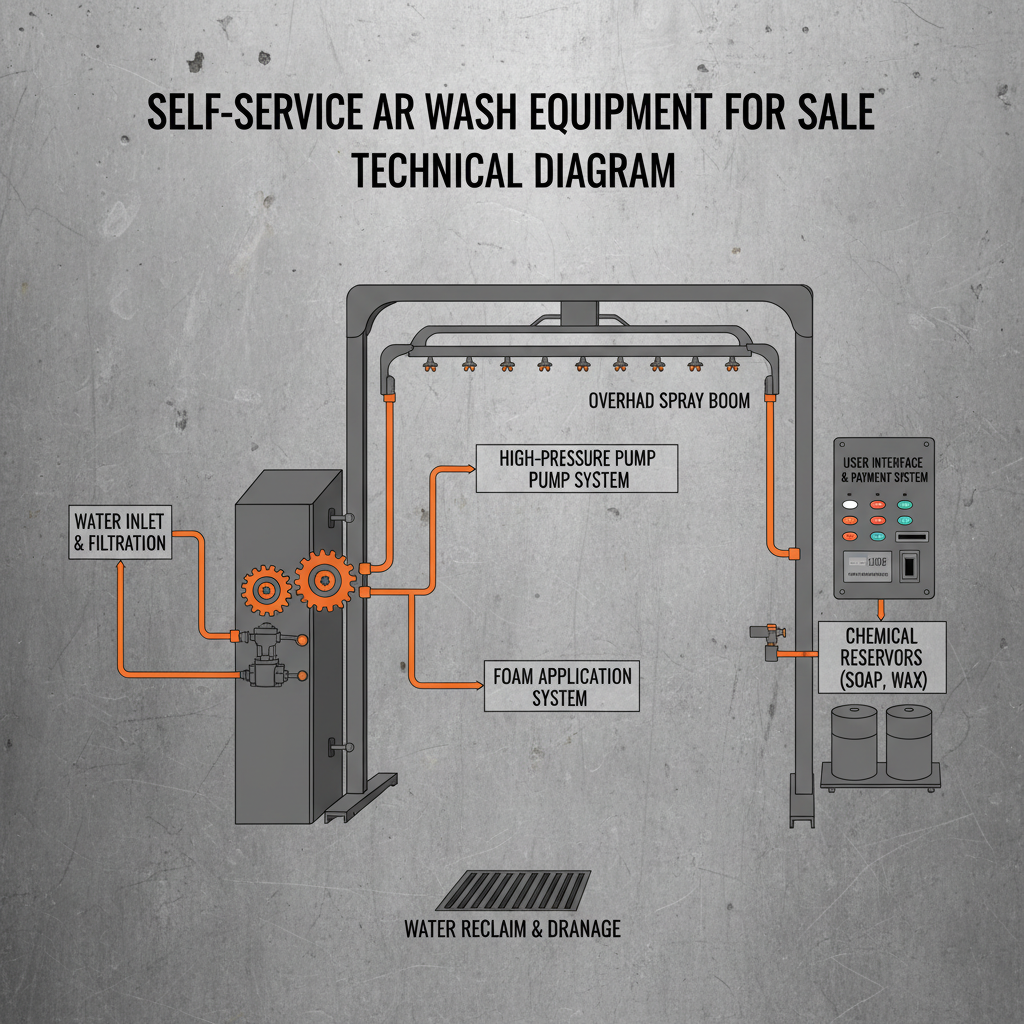
The modern automotive care industry has witnessed a significant shift toward high-efficiency cleaning solutions, with the car cleaning jet washer emerging as the gold standard for both professional detailing centers and home enthusiasts. By leveraging high-pressure water streams, these systems effectively remove stubborn grime, road salt, and industrial pollutants without the need for excessive scrubbing, thereby preserving the vehicle's paintwork and structural integrity.
Globally, the demand for specialized cleaning equipment is driven by the increasing number of vehicles on the road and a growing awareness of environmental sustainability. A professional car cleaning jet washer not only reduces the time required for a full vehicle wash but also significantly optimizes water consumption compared to traditional hose-and-bucket methods, aligning with global ISO standards for resource efficiency.
Understanding the nuances of pressure regulation, nozzle selection, and pump durability is essential for anyone looking to invest in a system that balances power with safety. This guide explores the technical foundations, practical applications, and future innovations of the car cleaning jet washer to help you make an informed decision for your automotive maintenance needs.
Global Relevance of High-Pressure Washing
In an era of rapid urbanization and increasing vehicle ownership, the need for rapid and effective vehicle hygiene has become a global priority. The car cleaning jet washer addresses the critical challenge of maintaining fleet hygiene in diverse climates, from the salty coastal roads of Northern Europe to the dusty terrains of the Middle East.
Beyond simple aesthetics, high-pressure cleaning is a matter of vehicle longevity. By removing corrosive agents such as road brine and industrial fallout, these machines prevent premature oxidation and rust, which is a significant economic concern for logistics companies and private owners alike.
Defining the Modern Car Cleaning Jet Washer
A car cleaning jet washer is a specialized mechanical device designed to convert electrical or fuel energy into high-velocity water streams. Unlike standard garden hoses, these systems utilize a pump to increase water pressure to levels that can mechanically strip contaminants from a surface without requiring aggressive chemical solvents or abrasive brushes.
From an industrial perspective, these machines represent a marriage of fluid dynamics and electrical engineering. They are engineered to provide a consistent flow rate (measured in liters per minute) and a specific pressure (measured in PSI or Bar), ensuring that the user can switch between a gentle rinse for delicate trim and a powerful blast for wheel wells and undercarriages.
In the context of modern environmental needs, the evolution of the jet washer has moved toward "smart" pressure delivery. This means the equipment is now designed to minimize water wastage while maximizing impact, fulfilling the humanitarian need for water conservation in drought-prone regions while maintaining high standards of sanitation.
Core Components and Technical Factors
The durability of a car cleaning jet washer is largely determined by its pump construction. Professional-grade units typically feature brass or ceramic pistons, which resist wear and corrosion far better than plastic alternatives, ensuring a lifespan that spans years of daily industrial use.
Pressure scalability is another critical factor. A versatile car cleaning jet washer must offer adjustable settings to prevent damage to clear coats. The ability to modulate pressure allows the operator to handle everything from heavy-duty mud removal to a light pre-rinse of a waxed surface.
Finally, cost efficiency is not just about the purchase price but the operational overhead. Energy-efficient motors and water-recycling attachments transform a standard car cleaning jet washer into a sustainable asset, reducing monthly utility bills while increasing the throughput of vehicles cleaned per hour.
Performance Metrics and Efficiency Analysis
When evaluating the effectiveness of a car cleaning jet washer, we look at the intersection of water pressure (PSI) and flow rate (GPM). High pressure is excellent for breaking the bond between dirt and paint, while a higher flow rate is essential for flushing that debris away quickly, preventing swirls and scratches.
Different configurations of jet washers offer varied performance profiles. For instance, induction motors provide quieter, longer-lasting operation for commercial bays, whereas universal motors are lightweight and portable for mobile detailing services.
Performance Comparison of Car Cleaning Jet Washer Types
Diverse Global Applications and Use Cases
In commercial settings, the car cleaning jet washer is the backbone of professional car washes and detailing studios. Across Asia and North America, high-volume fleets of taxis and ride-sharing vehicles rely on these systems to maintain a corporate image of cleanliness and professionalism while minimizing downtime.
Beyond urban centers, these tools are indispensable in remote industrial zones. In mining or agricultural sectors, heavy-duty jet washers are used to remove thick layers of clay and ore from machinery and transport vehicles, preventing mechanical failure caused by debris buildup in cooling systems and brake assemblies.
Long-Term Value and Sustainability Benefits
The logical appeal of a car cleaning jet washer lies in its ability to reduce chemical dependency. Because the kinetic energy of the water does the majority of the cleaning work, users can significantly reduce the amount of harsh detergents and surfactants that enter the wastewater system, promoting a healthier local ecosystem.
From an emotional standpoint, the use of a professional jet washer provides a sense of trust and reliability. A vehicle owner knows that the precision of the spray prevents the "swirl marks" often caused by manual scrubbing, protecting the emotional and financial investment tied to a luxury vehicle's appearance.
Furthermore, the long-term ROI (Return on Investment) is evident in reduced labor costs. What previously took a team of three people several hours can now be accomplished by one operator in a fraction of the time, allowing businesses to scale their operations without a linear increase in payroll.
Future Innovations in Jet Washing Technology
The future of the car cleaning jet washer is inextricably linked to the digital transformation of the industry. We are seeing the integration of IoT (Internet of Things) sensors that can detect the level of grime on a vehicle and automatically adjust the pressure and soap-to-water ratio in real-time, ensuring optimal cleaning with zero waste.
Sustainability is also driving the adoption of green energy. Solar-powered pressure pumps and closed-loop water filtration systems are becoming more common, allowing car washes to operate almost entirely off-grid and reuse up to 90% of their water.
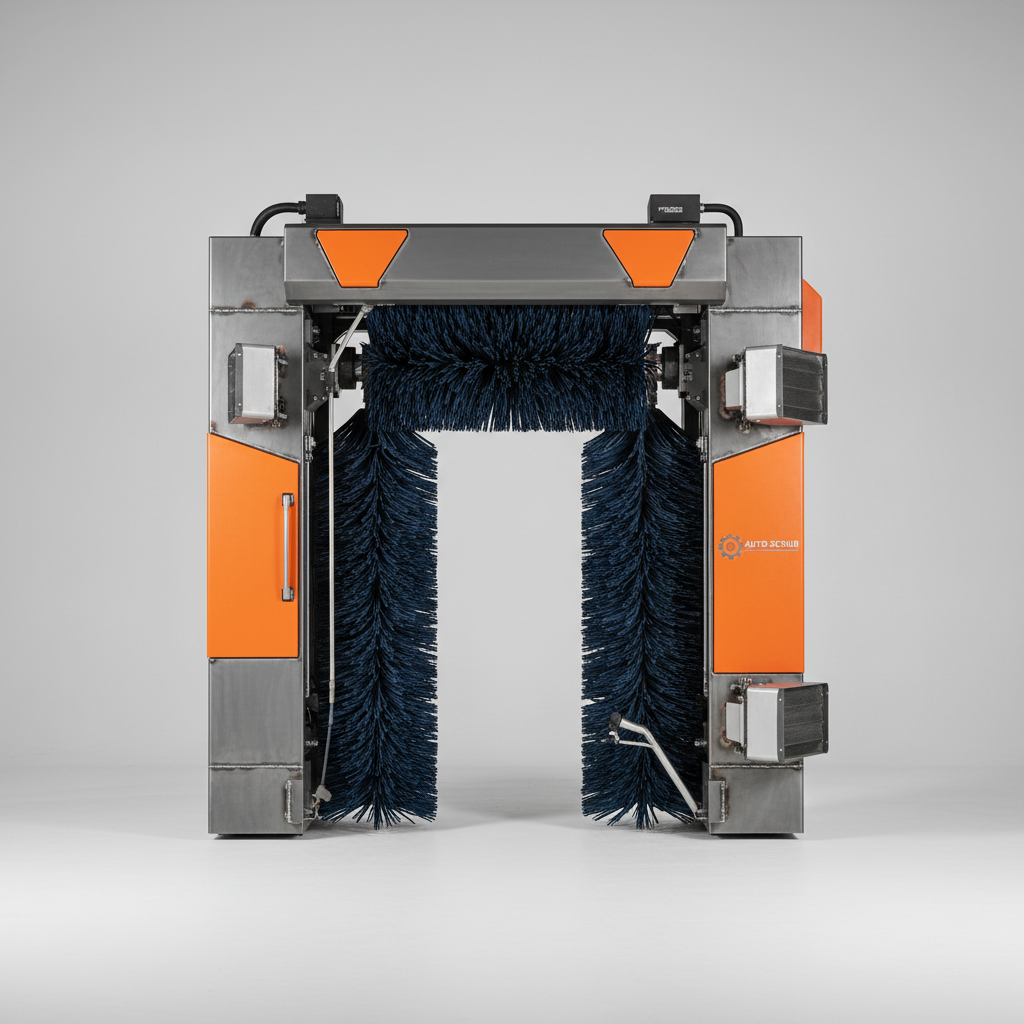
Additionally, the rise of autonomous vehicle fleets will likely lead to the development of robotic jet washing gantries. These systems will use AI-driven computer vision to map the vehicle's geometry and apply the car cleaning jet washer streams with surgical precision, removing the human element and increasing consistency.
Analysis of Future Jet Washing Technology Trends
| Innovation Type |
Impact on Efficiency |
Environmental Score |
Implementation Cost |
| IoT Smart Pressure |
High |
9/10 |
Moderate |
| Solar-Powered Pumps |
Medium |
10/10 |
High |
| Water Recycling Loops |
Very High |
10/10 |
High |
| AI Robotic Gantries |
Extreme |
8/10 |
Very High |
| Biodegradable Nozzles |
Low |
7/10 |
Low |
| Nano-Bubble Tech |
High |
9/10 |
Moderate |
FAQS
If used incorrectly, yes. Extremely high pressure at a very close range can strip clear coats or force water into electrical components. However, when using a professional car cleaning jet washer with adjustable nozzles and maintaining a safe distance (usually 12-18 inches), it is entirely safe and much gentler than abrasive scrubbing.
Professional units are built for endurance, featuring induction motors and metal pumps (brass/ceramic) that can run for hours without overheating. Home units typically use universal motors and plastic components, which are suitable for occasional use but would fail under the demands of a commercial car wash environment.
A standard garden hose can use up to 10-20 gallons per minute at low pressure. A car cleaning jet washer uses significantly less water (often 1.5 to 4 GPM) but delivers it with much higher kinetic energy, meaning you achieve a deeper clean using roughly 60-80% less water.
While most can connect to standard mains water, industrial units often benefit from softened water to prevent limescale buildup in the pump. Some high-end models also feature detergent tanks that mix cleaning agents directly into the water stream for a "snow foam" effect.
For commercial use, we recommend a quarterly check of the seals, O-rings, and oil levels (for oil-filled pumps). For home users, an annual winterization process and a check of the inlet filters are usually sufficient to maintain peak performance.
For wheel rims and wheel wells, a 15-degree or "turbo" nozzle is ideal for blasting away brake dust and mud. For the car body, a 25-to-40 degree nozzle or a wide fan spray is recommended to provide a broad, safe cleaning area without risking paint damage.
Conclusion
The adoption of a high-quality car cleaning jet washer represents more than just a convenience; it is a strategic investment in vehicle preservation and environmental stewardship. By combining mechanical power with water efficiency, these systems solve the dual challenge of maintaining professional automotive standards while reducing the ecological footprint of the cleaning process.
Looking ahead, the integration of AI and green energy will further refine how we maintain our vehicles, making the cleaning process almost entirely autonomous and carbon-neutral. Whether you are managing a commercial fleet or caring for a personal vehicle, prioritizing a system that balances pressure, durability, and sustainability is the key to long-term success. Visit our website for more professional solutions: www.dycarwasher.com