Maximize Your Car Care with a Hand Car Wash Pressure Washer Guide
Choosing the Right Hand Car Wash Pressure Washer for Your Needs
Maintaining a sparkling clean car is a source of pride for many, and the debate between hand washing and automatic washes often arises. While automatic washes are convenient, a hand car wash pressure washer provides a superior clean, protecting your vehicle’s paint and finish. This article will delve into the benefits of using a pressure washer for hand washing, explore key features to look for, compare different types, and offer guidance on choosing the best option for your needs. We'll guide you through selecting the perfect tool to achieve professional-level results from the comfort of your driveway.
The Advantages of Using a Pressure Washer for Hand Washing
Traditional hand washing with a hose can be time-consuming and less effective at removing stubborn dirt and grime. A hand car wash pressure washer dramatically improves the cleaning process by delivering a powerful, focused stream of water. This effectively lifts dirt and debris from the surface, minimizing the risk of scratches. Pressure washing also reduces water consumption compared to a standard hose, making it an environmentally friendly option. Furthermore, many models come with adjustable nozzles, allowing you to customize the water pressure for different cleaning tasks – from delicate rinsing to tackling tough stains.
Key Benefits: Effective dirt and grime removal, reduced risk of scratches, lower water consumption, adjustable water pressure for versatile cleaning.
Electric vs. Gas Pressure Washers: Which is Best for Car Washing?
When choosing a pressure washer for car washing, you'll primarily encounter two types: electric and gas. Electric pressure washers are generally quieter, lighter, and more environmentally friendly, making them ideal for residential use. They require less maintenance and are easier to start. Gas-powered pressure washers, on the other hand, offer higher pressure and greater portability, making them suitable for larger vehicles or more frequent, heavy-duty cleaning. However, they are louder, heavier, and require more maintenance. For most car washing needs, an electric pressure washer provides sufficient power and convenience.
Electric vs. Gas Pressure Washers:
• Electric: Quieter, lighter, environmentally friendly, lower maintenance.
• Gas: Higher pressure, greater portability, suitable for heavy-duty cleaning.
Key Features to Consider in a Hand Car Wash Pressure Washer
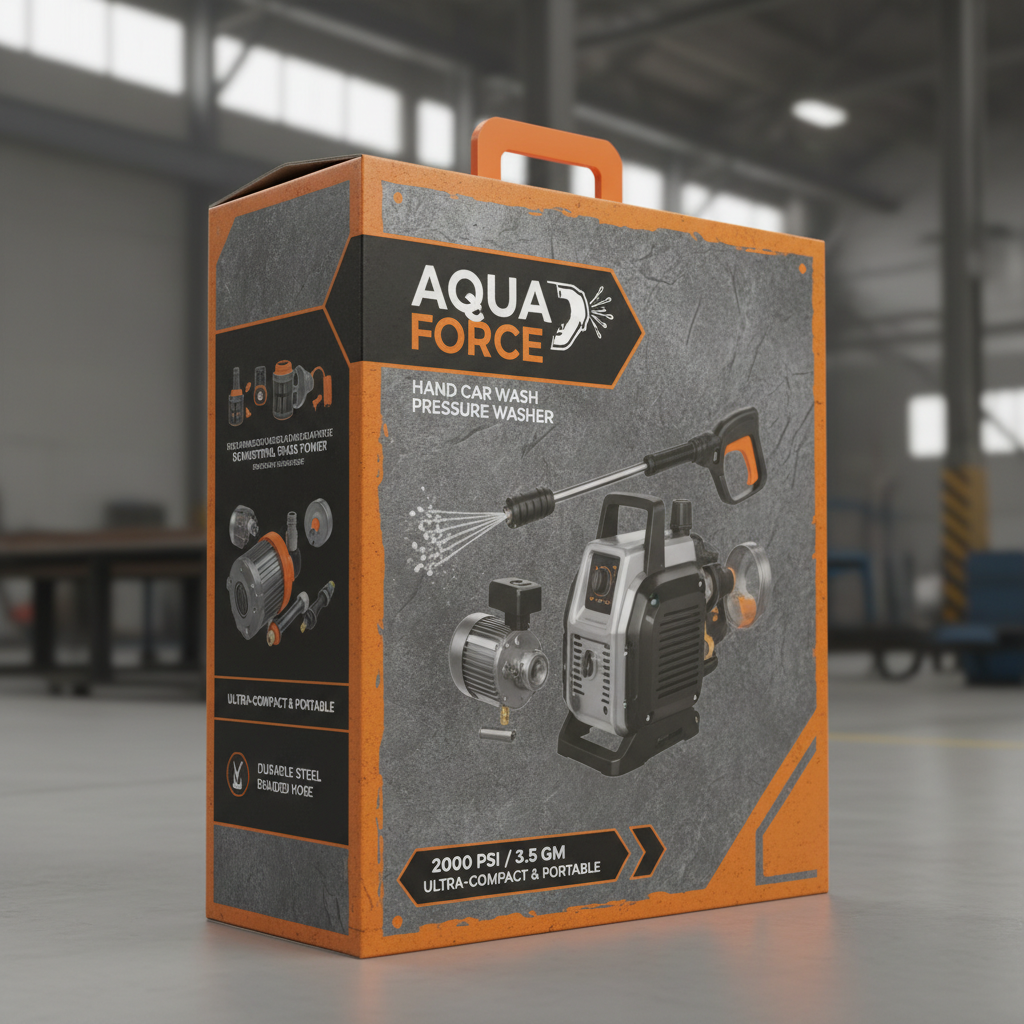
Several key features determine the effectiveness and convenience of a pressure washer. PSI (pounds per square inch) measures the water pressure – for car washing, 1200-1900 PSI is generally sufficient. GPM (gallons per minute) indicates the water flow rate; a higher GPM means faster cleaning. Look for adjustable nozzles to control the spray pattern and pressure. Also, consider the length of the hose and power cord for ease of use, as well as the availability of accessories like soap applicators and rotating brushes. Finally, check the weight of the unit for portability. A pressure washer with these features will significantly enhance your car washing experience.
Top Picks from DY Car Washer
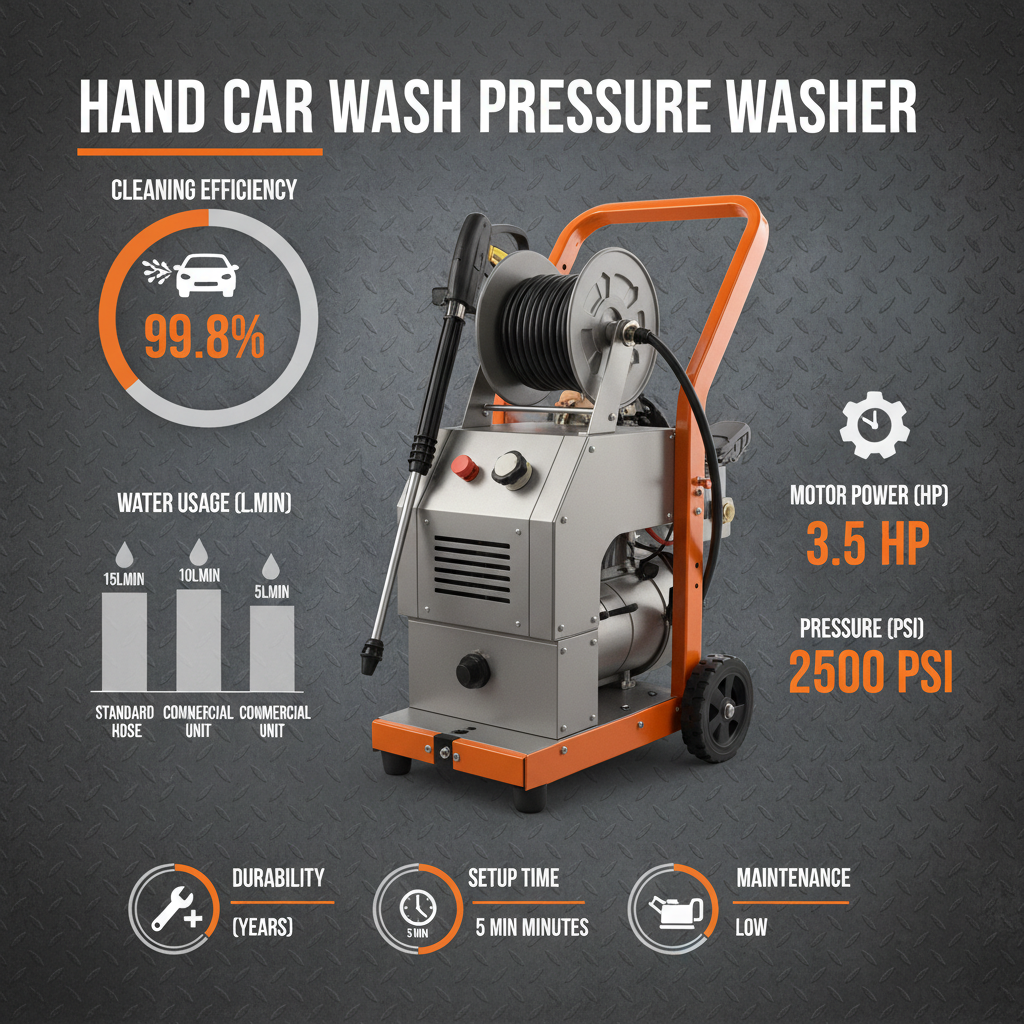
At DY Car Washer, we offer a range of high-quality pressure washers perfect for hand car washing. Here are a few popular options:
Maintaining Your Pressure Washer for Optimal Performance
To ensure your hand car wash pressure washer lasts for years, regular maintenance is essential. This includes flushing the pump after each use, cleaning the nozzles to prevent clogging, and storing the unit in a dry, frost-free location. Avoid using harsh chemicals or abrasive cleaners, and always refer to the manufacturer's instructions for specific maintenance recommendations. Proper care will maximize the lifespan and performance of your pressure washer.
Conclusion: Elevate Your Car Wash with a Pressure Washer
Investing in a hand car wash pressure washer is a smart choice for car enthusiasts who prioritize a clean, protected finish. By understanding the different types, features, and maintenance requirements, you can select the perfect unit to meet your needs and achieve professional-level results. Browse our selection at DY Car Washer today and experience the difference!
Frequently Asked Questions (FAQs)
What PSI is safe for washing a car?
Generally, a PSI between 1200 and 1900 is considered safe and effective for washing a car. Higher PSI can potentially damage the paint, especially on older or more delicate vehicles. It's crucial to start with the lowest pressure setting and gradually increase it as needed, always testing on an inconspicuous area first. Using a wider nozzle also helps to distribute the pressure more evenly, reducing the risk of damage. The key is to find the balance between cleaning power and protecting your car's finish.
Can I use soap with my pressure washer?
Yes, many pressure washers are designed to be used with soap or detergents specifically formulated for pressure washing. However, it’s crucial to use a detergent that is safe for your car's paint and finish. Some pressure washers have a built-in soap dispenser, while others require a separate attachment. Avoid using household cleaners, as they can be corrosive and damaging. Always follow the manufacturer's instructions for soap application and rinsing.
How far away should I hold the nozzle from my car?
Maintaining a safe distance between the nozzle and your car's surface is essential to avoid damage. A distance of 12-18 inches is generally recommended. Start with a greater distance and gradually move closer, observing the cleaning effect. Avoid holding the nozzle too close for extended periods, as this can concentrate the pressure and potentially harm the paint. Remember to use a sweeping motion rather than focusing on one spot.
-
Best High Pressure Water Jet for Car Wash and Detailing GuideNewsApr.16,2026
-
Professional High Pressure Water Car Wash Systems GuideNewsApr.09,2026
-
Unlock a Professional Shine with High Pressure Spray Wax TechnologyNewsApr.07,2026
-
Choosing the Right High Pressure Nozzle for Car Wash and DetailingNewsApr.04,2026
-
Choosing the Right High Pressure Car Cleaner for Optimal Vehicle CareNewsMar.31,2026
-
Investing in a High Power Car Washing Machine for Business EfficiencyNewsMar.28,2026