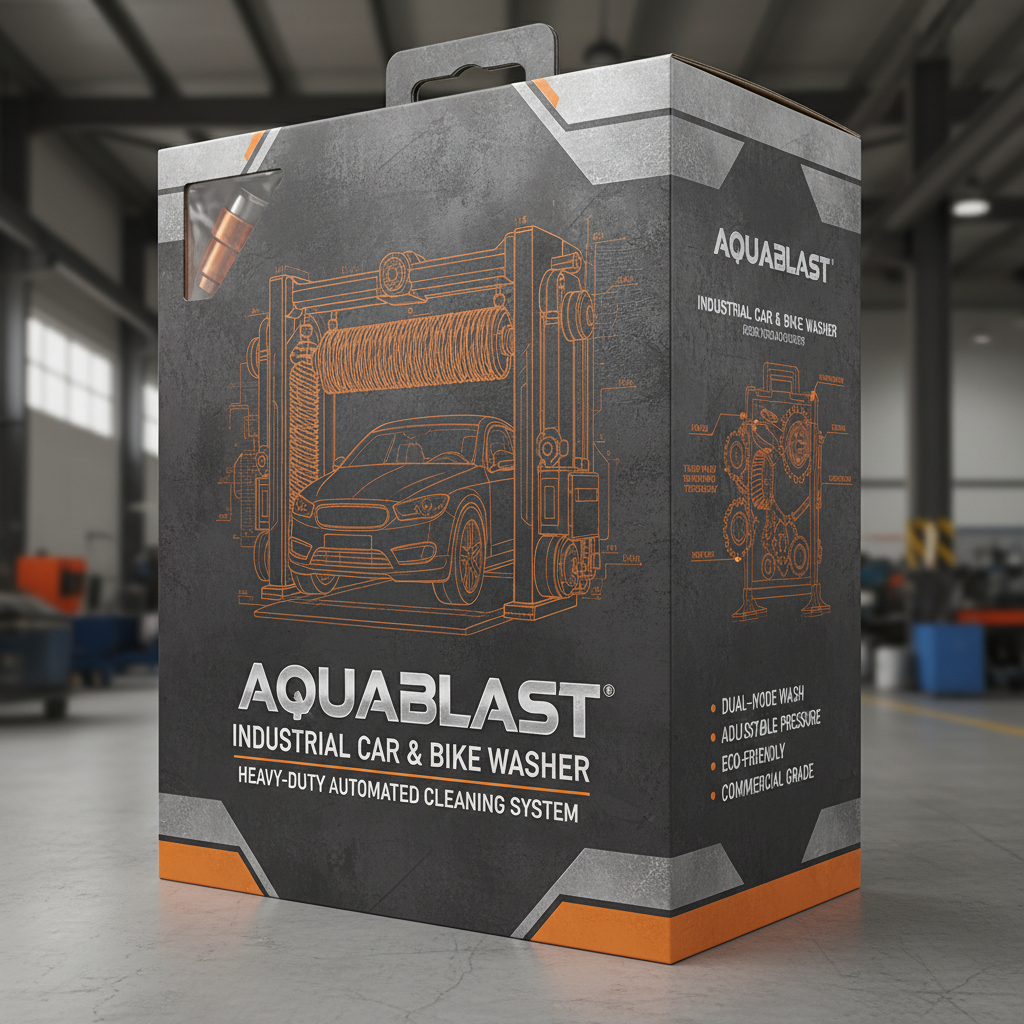
When evaluating the investment for a commercial vehicle cleaning setup, the car jet washer price is often the first metric business owners examine. However, looking at the initial sticker price without considering the structural engineering and automation level can lead to costly operational inefficiencies. In the professional car wash industry, the cost reflects the balance between throughput capacity, material durability, and the sophistication of the control systems used to protect vehicle paint.
The transition from basic pressure washers to fully automated tunnel systems represents a significant leap in both capital expenditure and revenue potential. For enterprises in the specialized equipment manufacturing sector, particularly those focused on environmental protection, the value of a machine is measured by its ability to reduce water consumption while maximizing cleaning speed. Integrating advanced PLC controls and infrared sensing allows for a level of precision that manual cleaning simply cannot match.
Understanding the variables that drive costs—from galvanized frame construction to high-power drying fans—is essential for making an informed procurement decision. This analysis explores the technical specifications and ROI factors of modern automated systems, providing a clear framework for buyers seeking a car jet washer price that aligns with their long-term business goals and operational scale.


A professional tunnel car wash is a complex assembly of mechanical and electronic systems designed for high-volume throughput. At its core is the conveyor system, often utilizing a double keel frame structure made of galvanized iron plate. This architecture ensures maximum stability and reduces vibration during the cleaning process, which is critical for maintaining the alignment of the brushing arms. The integration of PLC (Programmable Logic Controller) centers, such as the Xinjie system, allows for seamless coordination between the conveyor and the cleaning modules.
The cleaning cycle typically begins with infrared sensors that profile the vehicle's dimensions, followed by a sequenced application of water, foam solution, and mechanical brushing. Top brushes handle the roof, while specialized skirt brushes and large vertical brushes ensure 360-degree coverage, including wheels and under-door areas. The process concludes with high-power fan drying, which utilizes multiple kW motors to remove water rapidly, ensuring a spot-free finish before the vehicle exits.
The lifespan of an industrial washer is primarily determined by its material science and protective coatings. The use of national standard galvanized profiles and high-temperature powder spraying paint is not merely an aesthetic choice but a necessity to prevent corrosion in high-humidity environments. When a machine is exposed to detergents and water daily, standard steel would degrade rapidly, leading to structural failure and increased maintenance costs over time.
The selection of foam cotton brushes over traditional bristles is a pivotal design choice; these soft, non-absorbent materials can sustain 200,000 to 300,000 wash cycles while ensuring a scratch-free surface, directly impacting the long-term cost of ownership.
Furthermore, the electrical architecture plays a decisive role in reliability. separating strong and weak currents using high-quality shielded wires and ensuring every motor has overcurrent and undervoltage protection prevents catastrophic electronic failure. By adhering to IEC and CCC standards in wiring and component selection, manufacturers ensure that the system can operate in diverse industrial environments without frequent downtime due to electrical interference.
The primary value proposition of an automated tunnel system is the drastic reduction in "time-per-vehicle." By automating the sensing, brushing, and drying phases, a high-efficiency system can process a vehicle every 120 seconds. This throughput allows operators to scale their business without a linear increase in labor costs, transforming the car wash from a manual service into a high-volume production line.
True operational value is found in the precision of the infrared profiling system, which automatically adjusts brush distance to the car body, eliminating human error and reducing the risk of vehicle damage claims.
Beyond speed, resource efficiency contributes to the bottom line. Modern systems optimize water consumption—typically between 100L to 150L per vehicle—and integrate automatic filling tanks. When paired with an optional wastewater recovery system, the environmental impact is minimized, and water utility costs are significantly reduced, aligning the business with modern ecological standards in the specialized equipment manufacturing sector.
Evaluating the performance of a tunnel car wash requires looking at a combination of power consumption, cycle time, and physical footprint. A standard high-performance unit typically operates on a 28KW power load with a 3-380V voltage requirement, balancing the energy needs of the PLC, the conveyor motors, and the four high-power drying fans. These metrics define the operational cost per wash.
The following data represents typical performance benchmarks for a standard tunnel system, illustrating the relationship between the different mechanical components and their contribution to the overall cleaning efficiency. By analyzing these values, buyers can determine if the equipment meets their projected daily vehicle volume.
Tunnel car wash machines are best suited for high-traffic commercial environments where volume is the primary driver of revenue. This includes dedicated professional car wash centers, large-scale fleet management hubs for logistics companies, and integrated service centers at dealerships. The ability to handle various household cars with 7 seats or less makes this specific configuration highly versatile for the general consumer market.
In contrast to reciprocating washers, the tunnel system is designed for a continuous flow of vehicles. This makes it the ideal choice for urban areas with high vehicle density where minimizing wait times is critical for customer retention. When implemented in a site with a 11-meter installation length, the system provides a seamless transition from entry guidance rails to final air drying, maximizing the utility of the available real estate.
The industry is moving toward "intelligent profiling," where the machine does not just sense the presence of a car, but identifies its specific contour in real-time. The shift toward PLC-based control centers has enabled a transition from simple timed cycles to sensor-driven actions. This ensures that the brush pressure is optimized for every unique vehicle shape, reducing wear on the equipment and improving the cleaning result.
Sustainability is another driving force. We are seeing a trend toward the integration of closed-loop water recycling systems and the use of biodegradable foam solutions. The adoption of high-efficiency motors, such as those used in current 22KW fan arrays, allows for faster drying times with lower electricity consumption, directly impacting the operational ROI.
Furthermore, remote monitoring and diagnostic capabilities are becoming standard. The ability to detect faults automatically and display them on a bilingual touch screen reduces the need for on-site technical expertise for basic troubleshooting, allowing owners to manage multiple locations from a centralized dashboard.
Installing a tunnel system requires precise site preparation. One common challenge is ensuring the ground trailer track is perfectly level; this is solved through humanized guide rail designs that can be adjusted up and down during installation. Without this precision, the conveyor chain may experience uneven tension, leading to premature wear of the carbon steel ball chains.
Electrical interference is another significant hurdle in industrial environments. The solution lies in the strict separation of strong and weak currents and the use of reliable grounding for every motor. This prevents the PLC from receiving false signals from the high-power fans or pumps, ensuring the vehicle identification system operates without error.
Finally, balancing cleaning quality with speed requires the correct combination of chemical solutions and mechanical action. The use of a water-wax cleaning solution provides a protective layer to the vehicle body, while the coordinated movement of top and skirt brushes ensures that no area is missed, even at a 120-second cycle time.
| Metric | Tunnel System | Reciprocating System | Impact on ROI |
|---|---|---|---|
| Throughput | High (120s/car) | Medium (3-5min/car) | Higher Revenue |
| Space Need | Long (11m+) | Compact (5-7m) | Site Cost |
| Complexity | High (PLC/Conveyor) | Moderate | Maintenance |
| Labor Cost | Low (Fully Auto) | Moderate | Operating Expense |
| Water Use | Optimized/Continuous | Batch-based | Utility Cost |
| Initial Cost | Higher Investment | Lower Investment | Capital Expenditure |
The price is primarily driven by the level of automation, material quality, and throughput capacity. Systems using galvanized double keel frames, PLC control centers, and infrared profiling are more expensive than basic models but offer significantly higher durability and efficiency. Additionally, optional features like wastewater recovery systems and high-power drying fans add to the initial cost but reduce long-term operating expenses.
The infrared system automatically detects the length, width, and height of the vehicle as it enters the tunnel. This data is sent to the PLC, which then controls the movement of the brushing arms to maintain a safe and effective distance from the car body. By dynamically adjusting the brush position, the system prevents over-compression of the brushes against the paint, ensuring a scratch-free cleaning process.
High-quality foam cotton brushes are designed for extreme durability, typically lasting between 200,000 and 300,000 wash cycles. Their soft, non-absorbent nature prevents them from trapping mud or debris, which reduces friction and wear. This longevity significantly lowers the maintenance cost compared to traditional bristle brushes that require more frequent replacement.
The tunnel systems described are optimized for various household cars with 7 seats or less. This includes most SUVs and minivans within the specified dimensions (5.4m L x 2m W x 2m H). For vehicles larger than this, such as commercial buses or trucks, specialized bus washing machines are required to accommodate the increased height and width.
Routine maintenance involves checking the waterproof seals of the electric control boxes and ensuring all grounding connections remain secure. The PLC system features self-diagnostic functions that alarm the operator in case of sensor failure or motor overload. Regular inspection of the shielded signal wires is recommended to prevent interference and ensure the stability of the automatic recognition system.
While not always mandatory, a wastewater recovery system is highly recommended for businesses looking to optimize ROI and comply with environmental regulations. It reduces the amount of fresh water required per wash and minimizes the discharge of chemicals into the sewage system. In regions with high water costs or strict environmental laws, this system often pays for itself through utility savings within a short period.
Investing in a high-capacity tunnel car wash requires a strategic look beyond the initial car jet washer price. The real value lies in the integration of structural durability, such as the double keel galvanized frame, and the intelligence of PLC-driven automation. By prioritizing equipment that balances rapid throughput with precise vehicle profiling and resource efficiency, operators can build a sustainable business model that maximizes revenue while minimizing long-term maintenance costs.
For those seeking a reliable, industrial-grade solution tailored to their specific site requirements, exploring professional manufacturing standards is the first step. We invite you to visit www.dycarwasher.com to learn more about our range of automated cleaning technologies and find the configuration that best fits your operational goals.