Car wash equipment companies are at the forefront of a multi-billion dollar industry, servicing a diverse range of needs from individual vehicle owners to large-scale fleet operations. Their impact extends beyond simply cleaning vehicles; they contribute significantly to water conservation, efficient resource management, and the development of innovative technologies in cleaning and automation. Understanding the landscape of these companies is vital for investors, entrepreneurs, and anyone involved in the automotive or service sectors.
Globally, the demand for car washing services remains consistently high, driven by increasing vehicle ownership and a growing emphasis on vehicle appearance and hygiene. This demand is fueling the growth of car wash equipment companies, who are constantly innovating to provide more effective, efficient, and environmentally friendly solutions. The industry faces challenges such as evolving environmental regulations and the need for sustainable practices, demanding adaptive strategies from these companies.
These companies play a crucial role in facilitating convenience and maintaining vehicle value for consumers worldwide. From self-service bays to fully automated tunnels, their products and services impact millions daily. A deeper understanding of their operations, innovations, and the market dynamics they operate within is essential for anyone looking to engage with or analyze this dynamic industry.
The Global Relevance of Car Wash Equipment Companies
The global car wash market is a substantial economic force, estimated at over $35 billion and experiencing consistent growth. According to recent reports from industry analysts, the Asia-Pacific region currently represents the largest and fastest-growing market, driven by increasing disposable incomes and vehicle ownership. However, North America and Europe remain significant players, with a strong focus on innovation and sustainability. car wash equipment companies are adapting to these regional nuances.
A key challenge facing the industry is balancing the increasing demand for car washing with the need to conserve water and reduce environmental impact. This necessitates the development and adoption of water-efficient technologies, such as water recycling systems and low-flow nozzles. Furthermore, stricter environmental regulations in many countries are driving the demand for eco-friendly cleaning solutions and energy-efficient equipment, placing pressure on car wash equipment companies to innovate.
Defining Car Wash Equipment Companies
Car wash equipment companies specialize in the design, manufacture, installation, and servicing of the machinery and systems used to clean vehicles. This encompasses a broad range of products, including automatic car wash systems (tunnel washes, in-bay automatics, rollover brushes), self-service bays, water recycling systems, payment systems, and associated chemicals and accessories. These companies often cater to various customer segments, from small independent car wash operators to large national chains.
Their connection to modern industry extends beyond simply providing a cleaning service. They are integral to the automotive aftermarket, contributing to vehicle maintenance and aesthetic appeal. Furthermore, advancements in car wash technology are often linked to broader innovations in automation, fluid dynamics, and material science. The best car wash equipment companies prioritize ongoing research and development.
The role of these companies is also expanding to include data analytics and remote monitoring capabilities. Modern car wash systems are often equipped with sensors and software that track usage, monitor equipment performance, and provide valuable insights for optimizing operations and reducing downtime, contributing to smarter, more efficient business practices.
Key Factors in Car Wash Equipment Selection
Durability is a paramount concern when selecting car wash equipment. The harsh operating environment, constant exposure to water and chemicals, and high usage rates demand robust construction and high-quality materials. Equipment built to withstand these conditions minimizes downtime, reduces maintenance costs, and extends the overall lifespan of the investment.
Scalability is another critical factor, especially for growing car wash businesses. The chosen equipment should be capable of handling increasing volumes of vehicles without significant performance degradation or the need for costly upgrades. Modular systems and flexible configurations offer greater scalability, allowing operators to adapt to changing demands.
Cost efficiency extends beyond the initial purchase price. Factors such as energy consumption, water usage, chemical costs, and maintenance requirements all contribute to the total cost of ownership. Selecting energy-efficient equipment and implementing water recycling systems can significantly reduce operating expenses over the long term.
Performance Metrics of Car Wash Systems
Assessing the performance of car wash systems requires considering several key metrics. Wash throughput, measured in vehicles per hour, is a primary indicator of efficiency. However, this must be balanced with wash quality, ensuring that vehicles are thoroughly cleaned and dried without damage.
Water usage is a critical environmental and economic metric. Lower water consumption translates to reduced water bills and a smaller environmental footprint. Advanced water recycling systems can significantly minimize water usage, making car wash operations more sustainable. The car wash equipment companies investing in these technologies are gaining a competitive edge.
Comparative Performance of Car Wash Systems
Global Applications of Car Wash Technology
In urban centers worldwide, automated car wash systems are a staple for convenience and efficiency, catering to the high volume of vehicles. These systems are particularly prevalent in densely populated areas where space is limited and self-service options are less feasible.
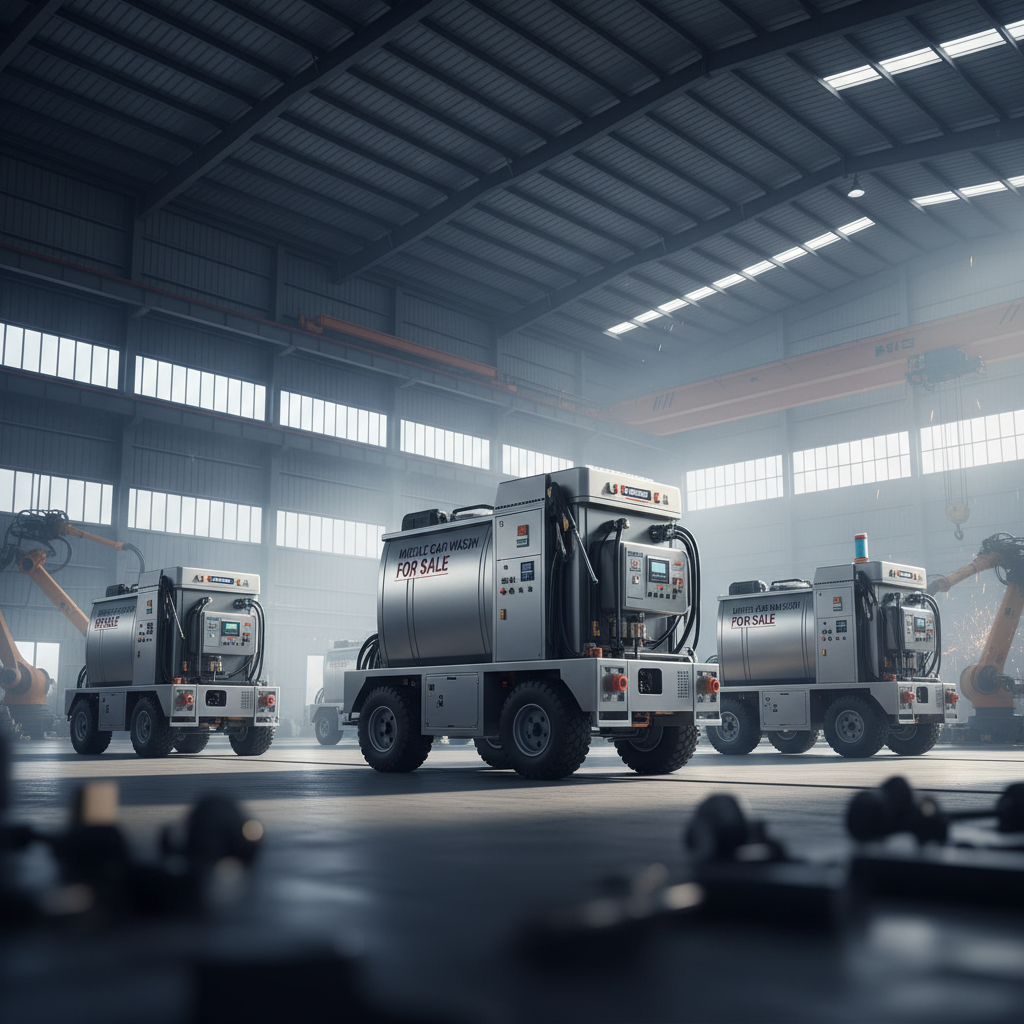
In remote industrial zones and mining operations, heavy-duty car wash equipment is essential for maintaining the cleanliness of work vehicles and reducing the risk of equipment damage. These systems are often designed to handle mud, dirt, and other harsh contaminants.
Advantages of Modern Car Wash Equipment
Modern car wash equipment offers significant advantages over traditional methods. Automated systems provide faster and more consistent cleaning, reducing labor costs and improving throughput. Water-efficient technologies minimize water consumption, reducing environmental impact and lowering operating expenses.
Advanced chemical delivery systems ensure precise application of cleaning solutions, maximizing effectiveness and minimizing waste. Remote monitoring and diagnostic capabilities enable proactive maintenance, preventing downtime and extending the lifespan of the equipment. This is where leading car wash equipment companies truly stand out.
The adoption of touchless technology minimizes the risk of scratches and swirl marks, enhancing vehicle appearance and customer satisfaction. Furthermore, modern car wash equipment often incorporates features such as undercarriage washing and tire cleaning, providing a more comprehensive cleaning service.
Future Trends in Car Wash Equipment
The future of car wash equipment is being shaped by several key trends, including the integration of artificial intelligence (AI) and machine learning (ML). AI-powered systems can optimize wash cycles based on vehicle type and soil level, improving cleaning performance and reducing resource consumption.
Sustainable technologies, such as biodegradable cleaning solutions and solar-powered systems, are gaining traction as environmental concerns grow. The development of closed-loop water recycling systems that minimize water discharge is also a key focus.
Digitalization and connectivity are transforming the car wash experience. Mobile apps, online booking systems, and loyalty programs are becoming increasingly common, enhancing customer convenience and engagement. The integration of data analytics will enable car wash operators to gain valuable insights into customer behavior and optimize their operations.
Summary of Future Trends in Car Wash Equipment
| Trend Category |
Key Technology |
Impact on Operations |
Expected Adoption Rate (1-10) |
| Automation |
AI-Powered Wash Cycles |
Improved efficiency, reduced labor costs |
8 |
| Sustainability |
Biodegradable Chemicals |
Reduced environmental impact, improved brand image |
7 |
| Connectivity |
Mobile Booking Apps |
Enhanced customer convenience, increased loyalty |
6 |
| Water Management |
Closed-Loop Recycling |
Significant water savings, reduced water bills |
9 |
| Diagnostics |
Remote Monitoring |
Proactive maintenance, reduced downtime |
7 |
| Materials Science |
Scratch-Resistant Polymers |
Improved vehicle finish, increased customer satisfaction |
5 |
FAQS
The return on investment (ROI) for a new automated car wash system varies depending on several factors, including location, volume, and the type of system installed. However, a well-managed automated car wash can typically achieve an ROI within 3-5 years. Key considerations include initial investment costs, operating expenses (water, electricity, chemicals), and revenue generated per vehicle wash. Properly evaluating these variables can help determine a realistic ROI projection.
Modern car wash equipment requires regular maintenance to ensure optimal performance and longevity. This includes daily checks for wear and tear, weekly cleaning and lubrication of moving parts, and periodic inspections of the water recycling system and chemical delivery system. Preventative maintenance, such as replacing worn brushes and nozzles, is crucial for minimizing downtime and extending the lifespan of the equipment.
Reducing water consumption is a key priority for sustainable car wash operations. Implementing a water recycling system is the most effective way to minimize water usage, allowing you to reuse a significant portion of the water. Additionally, using low-flow nozzles, optimizing wash cycles, and educating employees on water conservation practices can further reduce your water footprint.
Touchless car wash technology offers several benefits, including reduced risk of scratches and swirl marks on vehicle paint, lower maintenance costs (due to the absence of brushes), and a perceived higher level of cleanliness. While touchless systems may not be as effective at removing stubborn dirt and grime as brush systems, they are a popular choice for customers seeking a gentle and convenient wash experience.
Remote monitoring is becoming increasingly important for car wash operators. It allows for real-time tracking of equipment performance, proactive identification of potential issues, and remote diagnostics. This can significantly reduce downtime, minimize repair costs, and improve overall operational efficiency.
Current trends in car wash chemicals focus on eco-friendliness and improved performance. Biodegradable and phosphate-free formulas are gaining popularity as environmental regulations become stricter. Furthermore, manufacturers are developing chemicals that offer superior cleaning power while minimizing water spotting and residue. Choosing high-quality chemicals can enhance the overall wash experience and protect vehicle finishes.
Conclusion
In conclusion, car wash equipment companies represent a dynamic and essential sector within the automotive industry. Their commitment to innovation, sustainability, and customer satisfaction is driving the evolution of car wash technology, resulting in more efficient, environmentally friendly, and convenient cleaning solutions. Understanding the key factors influencing this industry – from technological advancements to environmental concerns – is vital for success.
Looking ahead, the future of car wash equipment will be shaped by the continued integration of AI, the adoption of sustainable practices, and the growing demand for contactless and automated services. Investing in advanced technologies and prioritizing customer experience will be crucial for car wash equipment companies to thrive in this evolving landscape. Visit our website at www.dycarwasher.com to explore cutting-edge solutions and learn more.