Elevate Your Cleaning with the Right Foaming Hose Nozzle Guide
The Ultimate Guide to Foaming Hose Nozzles
Are you looking to elevate your car washing or cleaning experience? A foaming hose nozzle is the answer! This essential tool transforms ordinary water into a thick, clinging foam, making pre-washing and cleaning far more effective and enjoyable. In this comprehensive guide, we'll explore the benefits, types, features, and best uses of foaming hose nozzles. Whether you’re a professional detailer or a car enthusiast, understanding these nozzles will help you achieve a superior clean.
What is a Foaming Hose Nozzle and Why Use One?
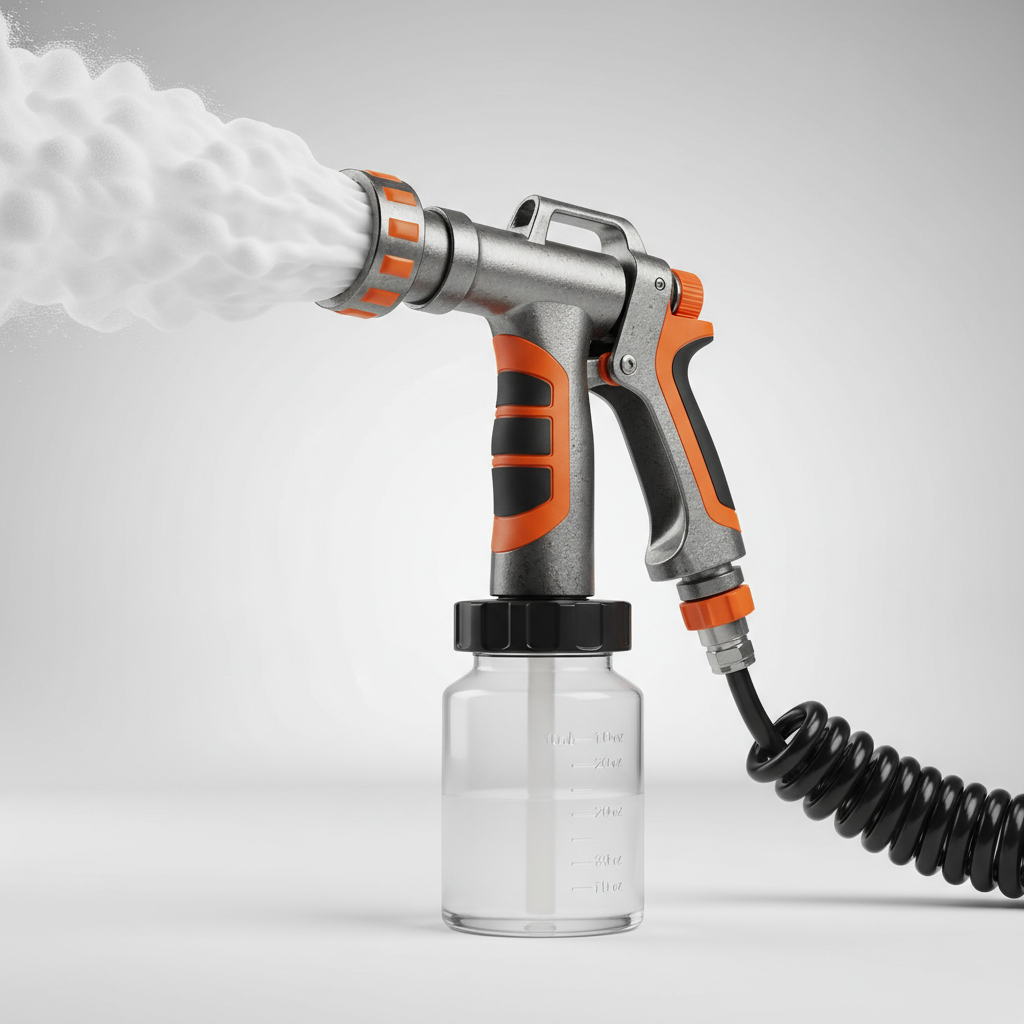
A foaming hose nozzle is a specialized attachment for your garden hose that mixes water with car wash soap or cleaning solution to create a rich, dense foam. This foam clings to surfaces, loosening dirt, grime, and bug splatter before you even touch the vehicle with a wash mitt. Using a foaming hose nozzle offers numerous advantages, including reduced swirl marks, minimized scrubbing, and a more thorough clean. The pre-wash stage reduces the amount of abrasive dirt, lowering the risk of scratching the vehicle’s paintwork. It’s also more efficient and saves time and water compared to traditional washing methods.
Key Benefits: Reduced swirl marks, minimized scrubbing, thorough cleaning, time and water savings, protects paintwork.
Types of Foaming Hose Nozzles
Foaming hose nozzles come in various designs, each with its own strengths and weaknesses. The most common types include:
- Adjustable Nozzles: These allow you to control the foam thickness and spray pattern, offering versatility for different cleaning tasks.
- Fixed Nozzles: These deliver a consistent foam density and spray pattern, making them ideal for quick and efficient pre-washing.
- Venturi Nozzles: Utilize the Venturi effect to create suction and mix water and soap effectively, often found in higher-end models.
- Pressure-Based Nozzles: These rely on water pressure to generate foam, requiring a strong water supply for optimal performance.
Key Features to Look for in a Foaming Hose Nozzle
When choosing a foaming hose nozzle, consider these crucial features:
- Adjustable Foam Thickness: Allows customization for different levels of dirt and grime.
- Spray Pattern Options: Provides versatility for washing cars, motorcycles, boats, and more.
- Durable Construction: Look for nozzles made from high-quality materials like brass or reinforced plastic.
- Soap Reservoir Capacity: A larger reservoir means less frequent refills.
- Water Pressure Compatibility: Ensure the nozzle works with your home’s water pressure.
- Ease of Use: Simple adjustment mechanisms and a comfortable grip are essential.
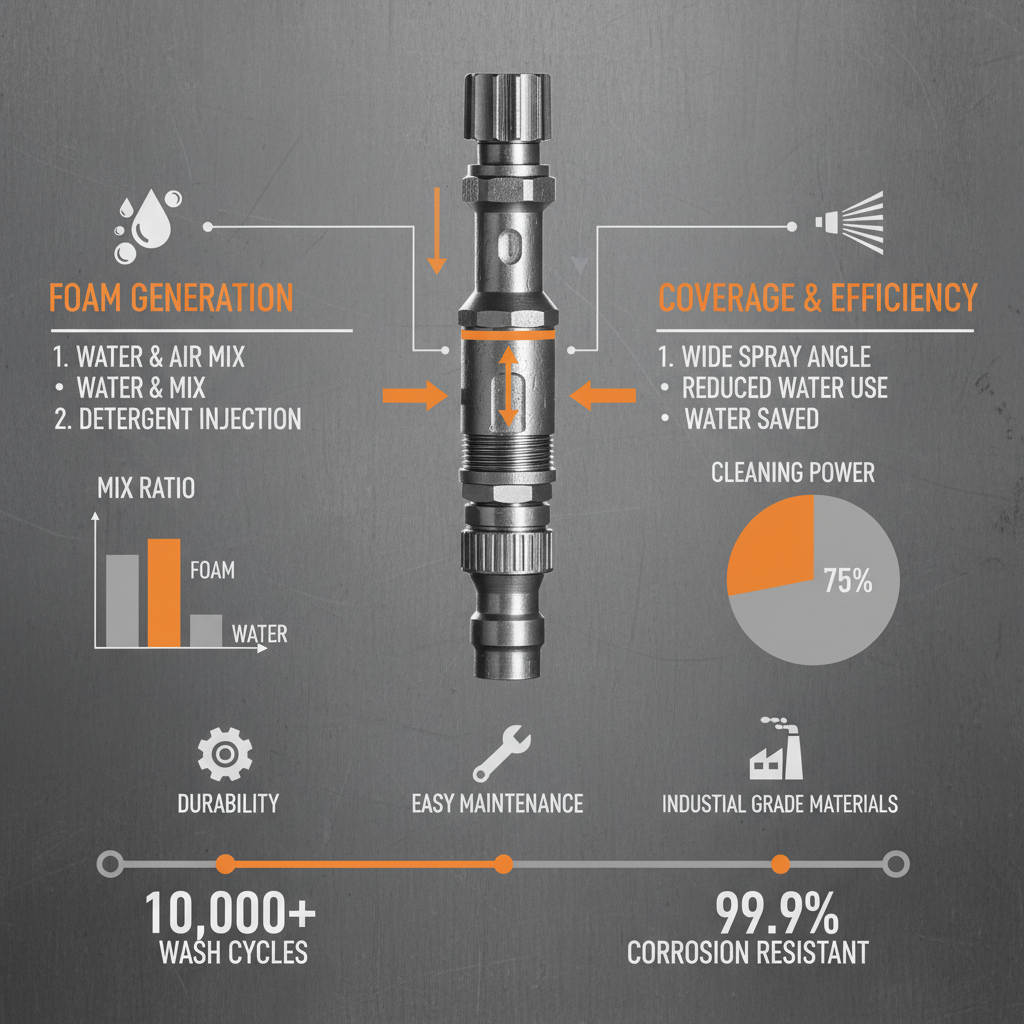
Foaming Hose Nozzle Comparison: Models and Specifications
Here's a quick comparison of some popular foaming hose nozzles currently available:
How to Use a Foaming Hose Nozzle Effectively
Using a foaming hose nozzle is straightforward:
- Fill the soap reservoir with a car wash soap specifically designed for foam cannons.
- Attach the nozzle to your garden hose.
- Adjust the foam thickness and spray pattern to your preference.
- Thoroughly wet the surface you intend to clean.
- Apply the foam, allowing it to dwell for 3-5 minutes.
- Rinse the surface with clean water.
For optimal results, avoid applying foam in direct sunlight, as it can dry too quickly. Always follow the soap manufacturer's instructions for dilution ratios.
Conclusion: Unlock a Superior Clean with a Foaming Hose Nozzle
Investing in a foaming hose nozzle is a game-changer for anyone who wants to achieve professional-level cleaning results. From car washing to house siding, the benefits are clear: increased efficiency, reduced effort, and a sparkling clean finish. Explore the options, choose the nozzle that best suits your needs, and experience the difference!
Frequently Asked Questions (FAQs)
What type of soap should I use with a foaming hose nozzle?
It’s crucial to use a soap specifically formulated for foam cannons or foaming nozzles. These soaps typically have a higher concentration of surfactants, which create the rich, clinging foam. Avoid using dish soap or laundry detergent, as they can damage your car’s paint and leave behind residue. Look for soaps labeled “foam cannon safe” or “car wash soap for foam cannons” to ensure compatibility.
How do I adjust the foam thickness on my nozzle?
Most foaming hose nozzles have a dial or knob that controls the soap-to-water ratio. Turning the dial towards a higher soap setting will create a thicker foam, while turning it towards a lower setting will produce a thinner foam. Experiment with different settings to find the ideal foam consistency for your cleaning needs. Keep in mind that water pressure can also influence foam thickness.
How often should I clean my foaming hose nozzle?
To ensure optimal performance, it’s recommended to clean your foaming hose nozzle after each use. Rinse the soap reservoir and nozzle tip with clean water to remove any soap residue. Periodically, you can use a small brush or toothpick to clear any blockages in the nozzle opening. Regular cleaning will prevent clogs and maintain consistent foam production.
Will a foaming hose nozzle work with my water pressure?
Most foaming hose nozzles work with standard household water pressure. However, some models may require a minimum water pressure for optimal foam production. Check the product specifications before purchasing to ensure compatibility. If your water pressure is low, you may need to adjust the nozzle settings or consider a nozzle specifically designed for low-pressure systems.
-
Best High Pressure Water Jet for Car Wash and Detailing GuideNewsApr.16,2026
-
Professional High Pressure Water Car Wash Systems GuideNewsApr.09,2026
-
Unlock a Professional Shine with High Pressure Spray Wax TechnologyNewsApr.07,2026
-
Choosing the Right High Pressure Nozzle for Car Wash and DetailingNewsApr.04,2026
-
Choosing the Right High Pressure Car Cleaner for Optimal Vehicle CareNewsMar.31,2026
-
Investing in a High Power Car Washing Machine for Business EfficiencyNewsMar.28,2026