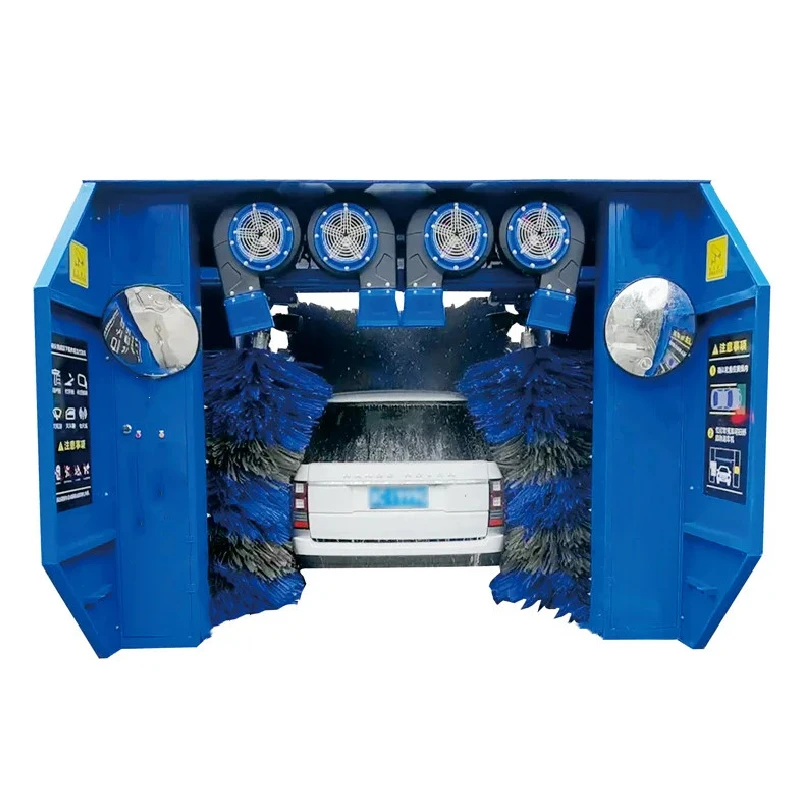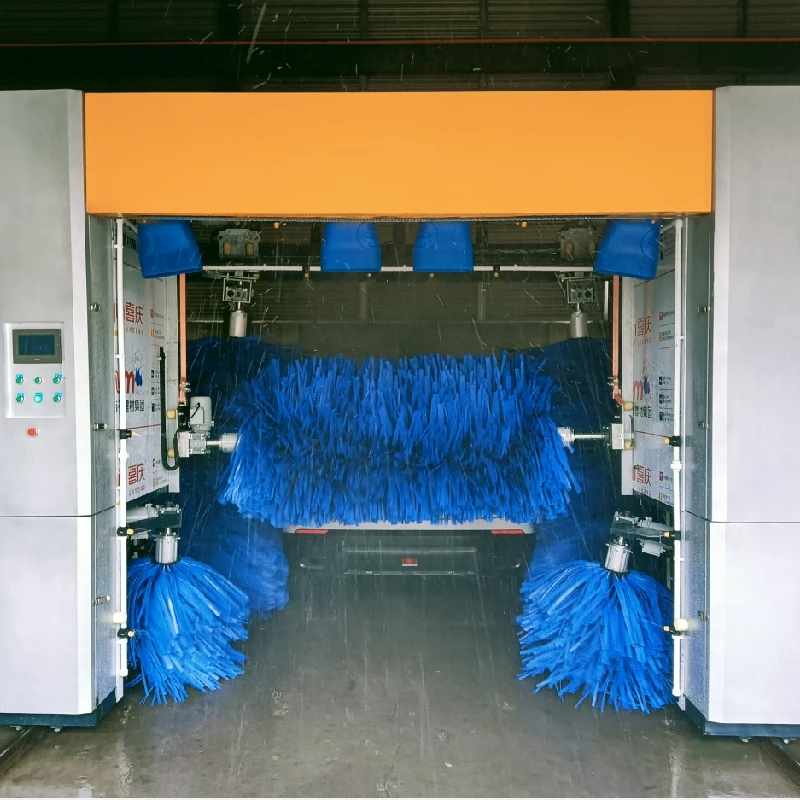
Comprehensive Guide to Choosing the Best Hand Car Wash Equipment for Professional Results
Choosing the Right Hand Car Wash Equipment: A Comprehensive Guide
Maintaining a pristine vehicle is a point of pride for many. While automatic car washes offer convenience, the gentle touch of a hand car wash often delivers superior results. But setting up a hand car wash – whether for personal use or commercial operation – requires careful consideration of the right hand car wash equipment. This article will explore the essential components, types of equipment, and factors to consider when building or upgrading your hand car wash setup. From pressure washers to foam cannons and drying solutions, we’ll guide you through the process of creating a professional-quality hand car wash experience.
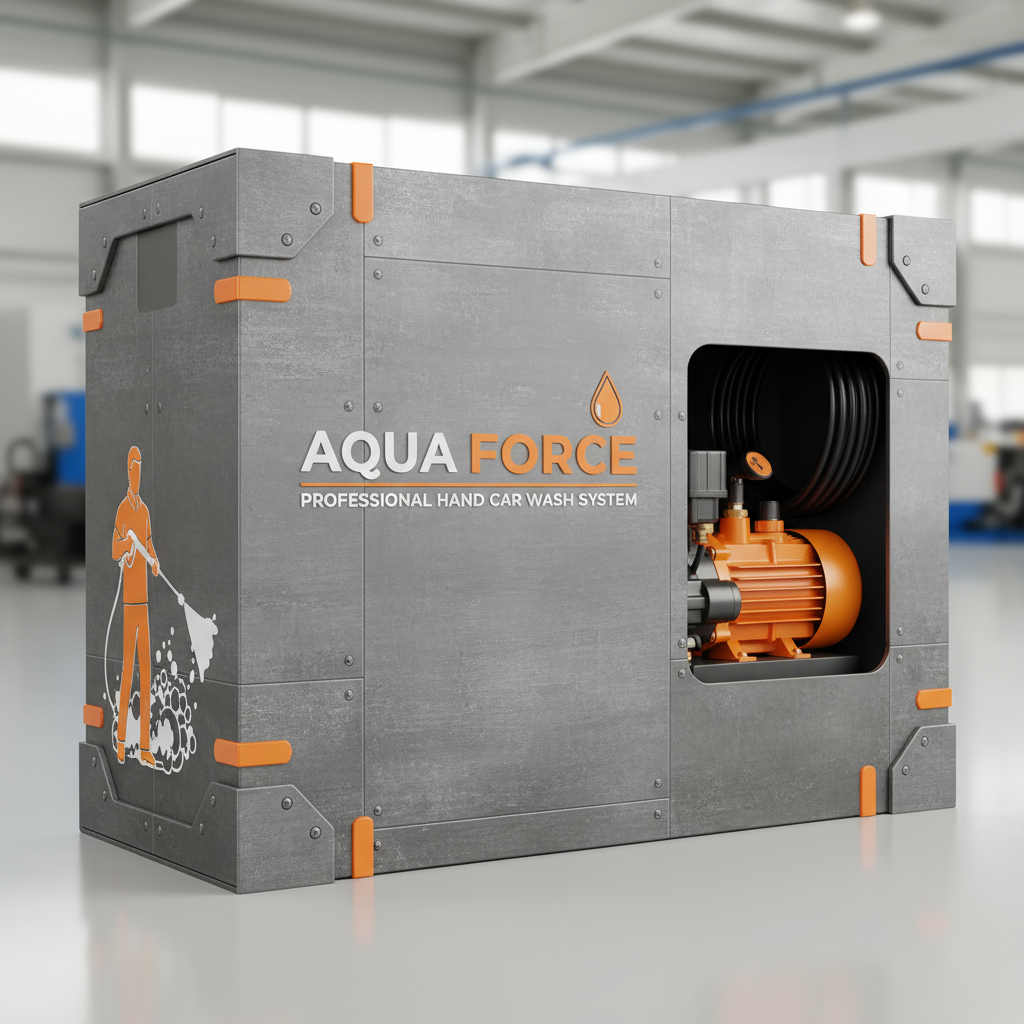
Essential Hand Car Wash Equipment: A Breakdown
A professional hand car wash requires more than just a bucket and sponge. Several key pieces of hand car wash equipment are vital for efficient and effective cleaning. These include a pressure washer for pre-rinsing and removing loose debris, a foam cannon to apply a thick layer of soap, wash mitts made of microfiber for safe paint cleaning, drying towels, and a vacuum cleaner for interior detailing. Investing in high-quality tools not only improves the quality of the wash but also reduces the risk of scratches and damage to the vehicle's finish. Proper water filtration is also crucial, especially for commercial operations, to prevent water spots and ensure a spotless shine.
Key Highlights: Investing in high-quality tools not only improves the quality of the wash but also reduces the risk of scratches and damage to the vehicle's finish. Proper water filtration is crucial for preventing water spots.
Types of Pressure Washers for Car Washing
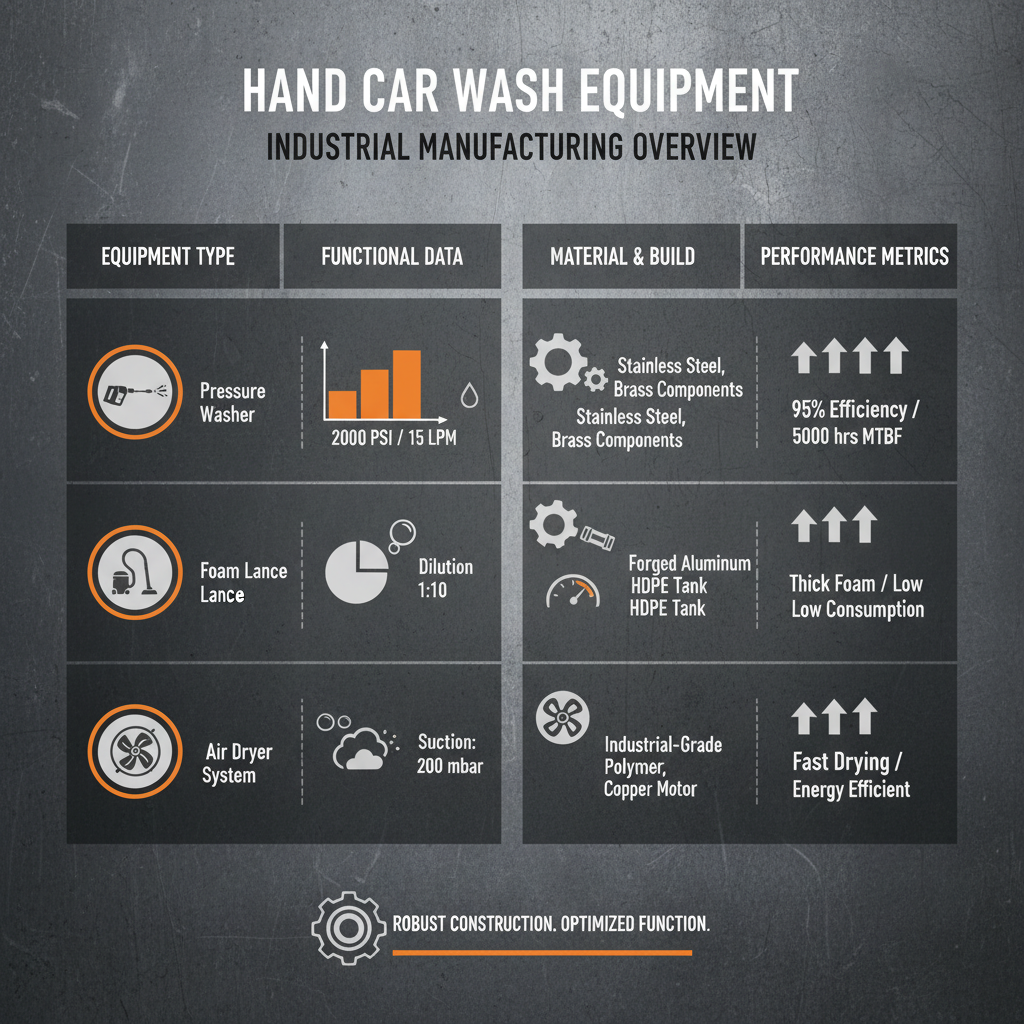
Pressure washers are the workhorse of any hand car wash setup. They come in two primary types: electric and gas. Electric pressure washers are generally more affordable, quieter, and easier to maintain, making them suitable for home use and smaller operations. Gas-powered pressure washers offer greater cleaning power and are ideal for commercial car washes that require heavy-duty performance. The pressure output, measured in PSI (pounds per square inch), is a critical factor. For car washing, a PSI between 1200 and 2000 is typically recommended to avoid damaging the paint. Consider the flow rate (GPM – gallons per minute) as well; a higher GPM will rinse away dirt and soap more quickly.
Pressure Washer Considerations:
• Electric vs. Gas: Choose based on power needs and budget.
• PSI: Aim for 1200-2000 PSI for safe car washing.
• GPM: Higher GPM means faster rinsing.
• Nozzle Selection: Different nozzles offer varying spray patterns.
Foam Cannons and Soap: Enhancing the Washing Process
A foam cannon attaches to your pressure washer and transforms liquid car wash soap into a thick, clinging foam. This foam effectively lifts dirt and grime from the vehicle's surface, reducing the need for aggressive scrubbing and minimizing the risk of swirl marks. Choosing the right car wash soap is equally important. Look for pH-neutral formulas specifically designed for automotive use. Avoid dish soap or household cleaners, as they can strip away wax and damage the paint. The quality of the foam cannon and the soap directly impacts the effectiveness of the wash and the final shine.
Essential Accessories for a Professional Finish
Beyond the core equipment, several accessories can elevate your hand car wash service. Microfiber wash mitts are crucial for lifting dirt without scratching the paint. High-quality drying towels, ideally made of waffle-weave microfiber, absorb water quickly and efficiently. A dedicated interior vacuum cleaner is essential for removing dust and debris from the vehicle's interior. Detailing brushes, tire shine applicators, and glass cleaners complete the toolkit. Consider investing in a water softener or filtration system to minimize water spots and ensure a pristine finish. You can find a full catalog of hand car wash equipment on our website.
Choosing the Right Equipment for Your Needs
Selecting the appropriate hand car wash equipment depends on your specific needs and budget. For personal use, a basic electric pressure washer, foam cannon, and microfiber wash mitts may suffice. Commercial operations require more robust and durable equipment, such as gas-powered pressure washers, heavy-duty foam cannons, and professional-grade vacuum cleaners. Consider the volume of vehicles you’ll be washing, the space available, and the desired level of detail. Investing in quality equipment upfront can save you money in the long run by reducing maintenance costs and ensuring a consistent, professional-quality wash. Explore the wide range of options available at DY Car Washer to find the perfect fit for your needs.
Conclusion: Investing in Quality for a Superior Wash
The right hand car wash equipment is an investment in quality, efficiency, and customer satisfaction. By carefully considering your needs and choosing durable, reliable tools, you can create a professional-quality hand car wash experience that delivers outstanding results. Don't compromise on quality – choose DY Car Washer for all your hand car wash equipment needs.
Frequently Asked Questions (FAQs)
What PSI pressure washer is best for car washing?
For safe and effective car washing, a pressure washer with a PSI between 1200 and 2000 is generally recommended. Lower PSI may not provide sufficient cleaning power, while higher PSI can potentially damage the paint. It's also crucial to use a wide-angle nozzle (40-degree or higher) to distribute the pressure evenly and avoid concentrating it on a small area. Remember to always test the pressure on an inconspicuous area first.
What type of soap should I use with a foam cannon?
Always use a car wash soap specifically formulated for automotive use with a foam cannon. These soaps are pH-neutral and designed to lift dirt and grime without stripping away wax or damaging the paint. Avoid using dish soap, laundry detergent, or household cleaners, as they can contain harsh chemicals that can harm your vehicle’s finish. Look for soaps that create a thick, stable foam for optimal cleaning.
How often should I replace my microfiber wash mitts?
Microfiber wash mitts should be replaced regularly to prevent scratches and maintain optimal cleaning performance. The lifespan depends on usage and how well they are cared for. As a general guideline, replace your wash mitts every 3-6 months, or sooner if they become heavily soiled or damaged. Always wash microfiber mitts separately from other laundry items to avoid lint contamination.
What is the benefit of using a water softener for car washing?
Using a water softener removes minerals like calcium and magnesium from the water, preventing unsightly water spots on your vehicle’s finish. Hard water minerals can also react with car wash soap, reducing its effectiveness. A water softener ensures a cleaner, more efficient wash and a spotless, streak-free shine. This is particularly important for dark-colored vehicles where water spots are more visible.
-
Best High Pressure Water Jet for Car Wash and Detailing GuideNewsApr.16,2026
-
Professional High Pressure Water Car Wash Systems GuideNewsApr.09,2026
-
Unlock a Professional Shine with High Pressure Spray Wax TechnologyNewsApr.07,2026
-
Choosing the Right High Pressure Nozzle for Car Wash and DetailingNewsApr.04,2026
-
Choosing the Right High Pressure Car Cleaner for Optimal Vehicle CareNewsMar.31,2026
-
Investing in a High Power Car Washing Machine for Business EfficiencyNewsMar.28,2026