Choosing the Best Gas Pressure Washer for Cars to Maximize Cleaning Power
Choosing the Right Gas Pressure Washer for Cars
Maintaining a vehicle’s appearance requires the right tools, and a gas pressure washer for cars is a game-changer. Unlike traditional washing methods, pressure washers use high-pressure water spray to quickly and effectively remove dirt, grime, and road salt. This article will guide you through selecting the best gas pressure washer to meet your needs, covering crucial factors like PSI, GPM, nozzle types, and features offered by DY Car Washer. Investing in the right equipment ensures a sparkling clean vehicle and protects its paintwork.
Understanding PSI and GPM: The Core of Pressure Washing Power
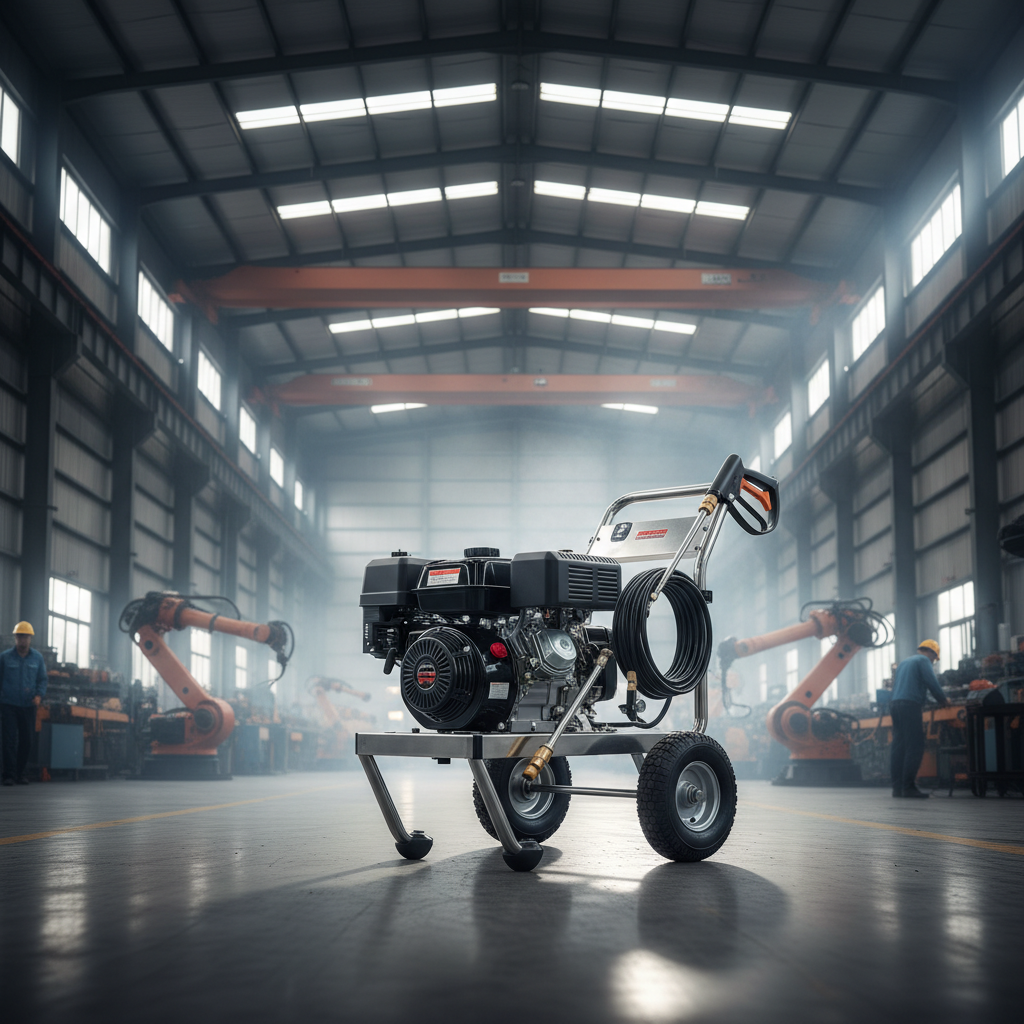
When evaluating a gas pressure washer for cars, two key specifications are PSI (pounds per square inch) and GPM (gallons per minute). PSI measures the force of the water, while GPM indicates the volume of water delivered. For car washing, a PSI between 2000 and 3000 is generally sufficient. Higher PSI can be damaging to paint if not used carefully. GPM is equally important; a higher GPM allows for faster cleaning. A GPM of 2.5 or higher is recommended for efficient car washing. DY Car Washer offers models carefully calibrated for automotive cleaning, balancing power and safety.
Key Takeaway: Optimal car washing requires a balance of PSI (2000-3000) and GPM (2.5+). Too much PSI can cause damage; adequate GPM ensures efficient cleaning.
Nozzle Selection: Tailoring the Spray for Different Cleaning Tasks
Different nozzles produce varying spray patterns, each suited for specific cleaning tasks. A 0-degree nozzle delivers a highly concentrated stream for stubborn grime, but should be used with extreme caution on car paint. A 25-degree nozzle is excellent for general cleaning, while a 40-degree nozzle provides a wider spray for rinsing. Soap nozzles are designed to evenly distribute detergent. DY Car Washer machines typically include a variety of nozzle options to handle different cleaning scenarios, from removing mud to applying car wash soap. Understanding nozzle functionality is vital for achieving the best results and avoiding damage.
Nozzle Guide:
• 0°: Intense, pinpoint cleaning (use with caution)
• 25°: General cleaning, removing dirt and grime
• 40°: Rinsing, wider coverage
• Soap Nozzle: Even detergent application
Gas vs. Electric Pressure Washers for Car Cleaning: A Comparative Overview
While both gas and electric pressure washers can effectively clean cars, they have distinct advantages and disadvantages. Gas-powered models offer higher PSI and GPM, making them ideal for tackling heavily soiled vehicles. They are also more portable as they don't require a power outlet. Electric models are quieter, lighter, and require less maintenance. However, they typically have lower power output and are limited by the length of the power cord. For professional detailing or frequent, heavy-duty cleaning, a gas pressure washer for cars is often the preferred choice.
Choosing a Gas Pressure Washer from DY Car Washer: Models and Features
DY Car Washer offers a range of gas-powered pressure washers specifically designed for automotive detailing. Our models feature robust engines, durable pumps, and ergonomic designs for ease of use. Key features include automatic shut-off, thermal protection, and a variety of nozzle options. We also provide detailed user manuals and excellent customer support to ensure you get the most out of your investment. Consider the size of your vehicles and the frequency of cleaning when selecting a model.
Safety Tips for Using a Gas Pressure Washer on Your Car
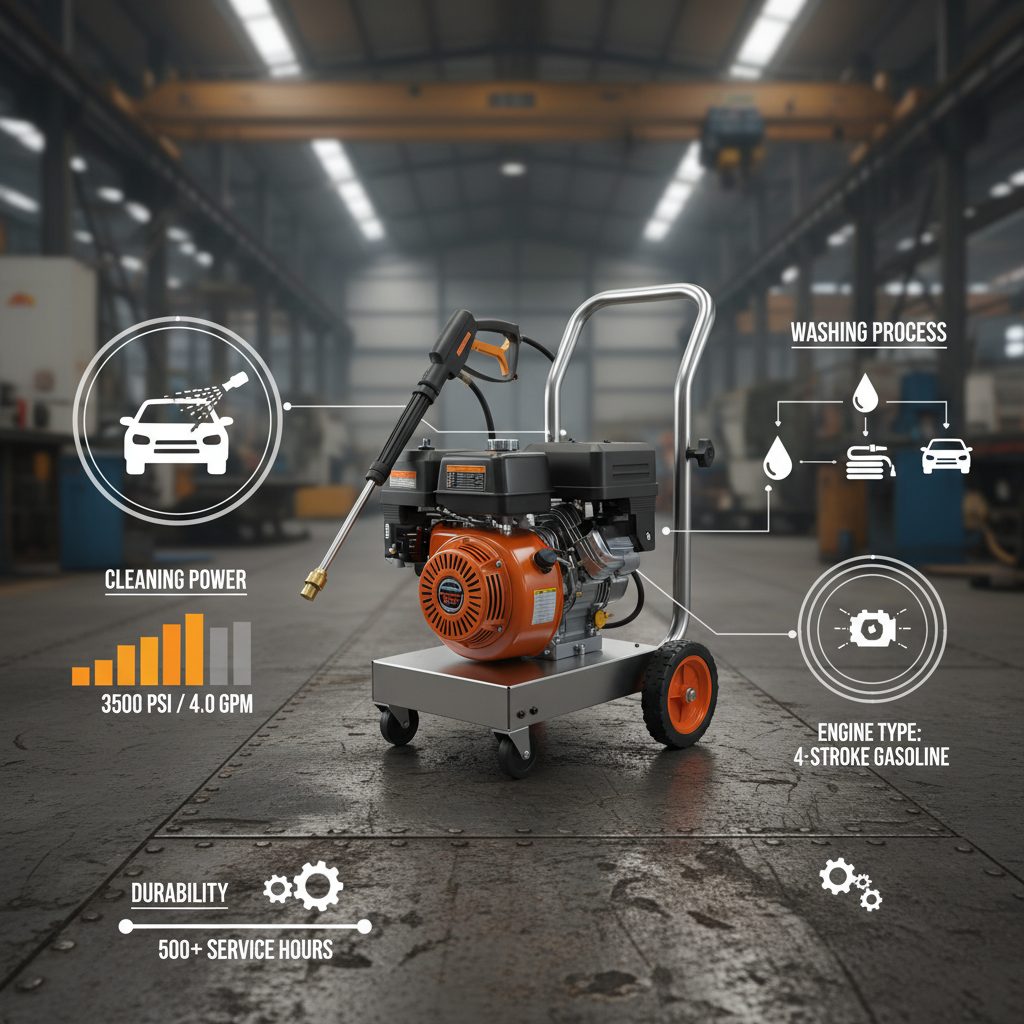
Safety is paramount when using a pressure washer. Always wear safety glasses to protect your eyes. Maintain a safe distance from the vehicle's paintwork to avoid damage. Start with a low-pressure setting and gradually increase it as needed. Never point the nozzle at people or animals. Be mindful of electrical connections if using an extension cord. DY Car Washer provides detailed safety instructions with each product.
Conclusion: Invest in a Clean and Protected Vehicle
The right gas pressure washer for cars is an invaluable tool for maintaining your vehicle’s appearance. By understanding PSI, GPM, nozzle types, and safety precautions, you can choose the best model from DY Car Washer and achieve professional-quality results. Invest in quality equipment and enjoy a sparkling clean vehicle for years to come.
Frequently Asked Questions (FAQs)
What PSI is safe for washing a car's paint?
Generally, a PSI between 2000 and 2500 is considered safe for washing a car's paint, but always start with the lowest setting and test it in an inconspicuous area. Higher PSI can potentially damage the paint, especially on older or more delicate vehicles. Using a wider nozzle (40-degree) also helps to distribute the pressure and reduce the risk of damage. It's also important to maintain a safe distance from the vehicle's surface – at least 12 inches is recommended.
How often should I use a pressure washer on my car?
The frequency depends on your driving conditions and how dirty your car gets. A general guideline is to pressure wash your car every 2-4 weeks. However, if you frequently drive on dirt roads or in harsh weather conditions, you may need to do it more often. Avoid over-washing, as it can potentially strip away wax and protective coatings. A regular hand wash between pressure washes is also recommended.
Can I use a pressure washer to remove wax from my car?
While a pressure washer can help loosen wax, it's not the most effective method for complete wax removal. Using a dedicated wax remover product is generally recommended for a thorough clean. However, a low-pressure setting with a wider nozzle can assist in rinsing away loosened wax. Be cautious not to use too much pressure, as it can damage the paint.
What type of detergent should I use with a gas pressure washer for my car?
Always use detergents specifically designed for use with pressure washers and automotive applications. These detergents are formulated to be low-foaming and won't damage the pump. Avoid using household detergents, as they can be corrosive and harmful to your vehicle's finish. DY Car Washer recommends using automotive-specific detergents for optimal results.
-
Best High Pressure Water Jet for Car Wash and Detailing GuideNewsApr.16,2026
-
Professional High Pressure Water Car Wash Systems GuideNewsApr.09,2026
-
Unlock a Professional Shine with High Pressure Spray Wax TechnologyNewsApr.07,2026
-
Choosing the Right High Pressure Nozzle for Car Wash and DetailingNewsApr.04,2026
-
Choosing the Right High Pressure Car Cleaner for Optimal Vehicle CareNewsMar.31,2026
-
Investing in a High Power Car Washing Machine for Business EfficiencyNewsMar.28,2026