Best Commercial Car Wash Equipment: Durable, Efficient & Customizable
Choosing the Right commercial car wash equipment for Your Business
Having spent a good chunk of my career elbow-deep in the industrial equipment trenches, I've seen firsthand how crucial reliable commercial car wash equipment can be to any operation. It’s odd, but many people don’t realize just how specialized these machines are until they try to pick one out themselves. They’re more than just fancy spinning brushes and foam—there’s a lot of engineering and material science packed inside.
Frankly, the evolution of commercial car wash systems over the past decade is fascinating. I remember vintage setups that felt clunky and inefficient compared to what’s on the market now. Modern designs are smarter, faster, and far more durable due to improvements in stainless steel alloys and motor technology. Because these machines run many hours a day, sometimes non-stop, durability is king.
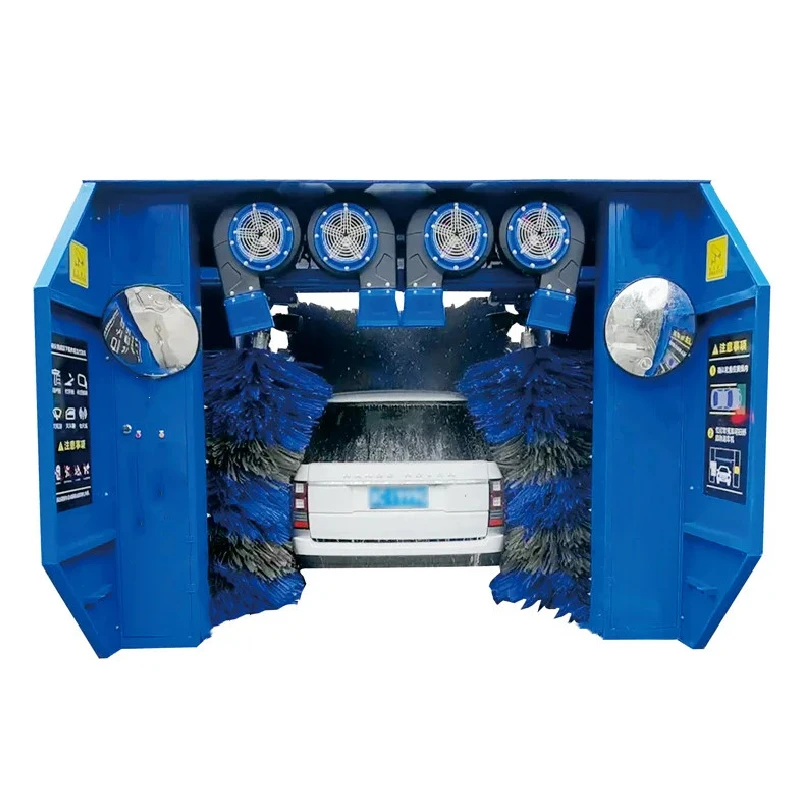
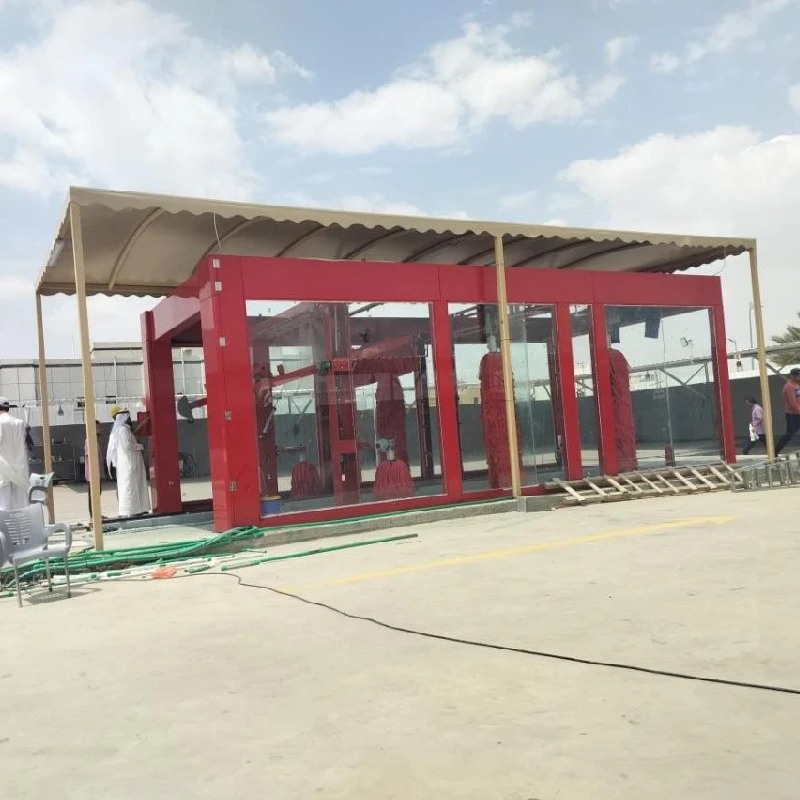
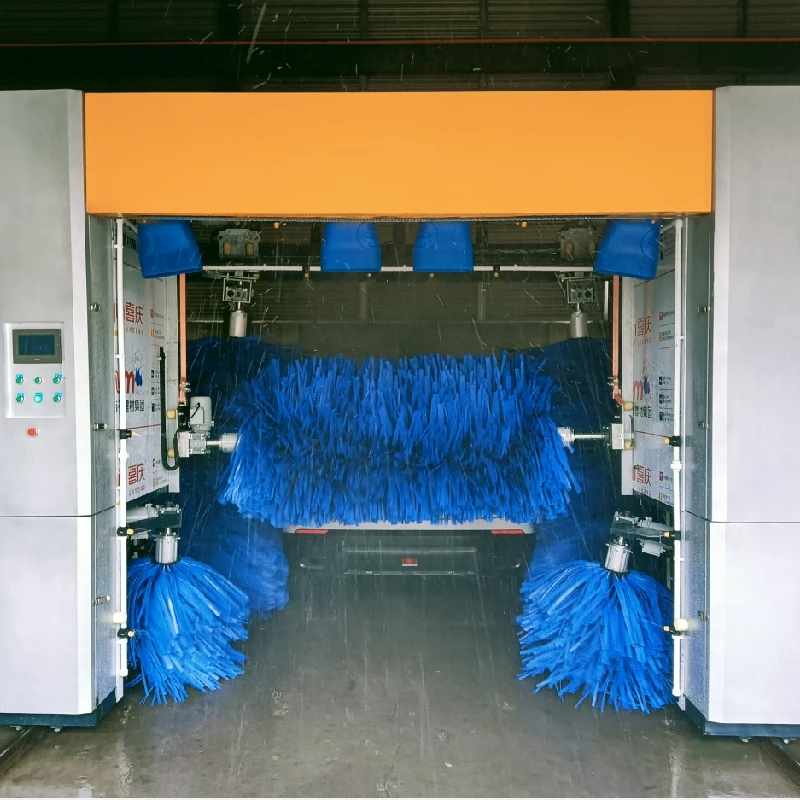
Most commercial systems fall into a few categories: self-serve bays, in-bay automatics, and conveyor tunnel washers. Each serves a different kind of customer base. Conveyor tunnels, for example, are a favorite for high-volume locations because they balance speed and thoroughness efficiently.
A neat thing I noticed while working with vendors is how customizable these machines can be. From adjustable brush pressure to eco-friendly water reclamation systems, there’s no shortage of features tailored to both business needs and local regulations. You might even see some systems equipped with advanced sensors to minimize water usage or detect the vehicle size automatically—pretty smart stuff.
Now, if you’re genuinely curious about the nitty-gritty specs, here’s a quick snapshot of a popular model that frequently gets the nod from operators I know:
| Feature | Specification |
|---|---|
| Wash Cycle Time | 3-5 minutes |
| Water Consumption | 10-15 gallons per vehicle |
| Power Requirement | 208-240V, 3 Phase |
| Brush Material | Soft nylon filament with UV resistance |
| Dimensions (L×W×H) | 35 ft × 12 ft × 9 ft |
What’s more, in real terms, different vendors bring various strengths to the table. I’ve worked around some of the big names, and it feels like each has its own flavor—some excel in tech upgrades, while others shine on budget-conscious designs.
| Brand | Price Range | Innovations | Warranty |
|---|---|---|---|
| Dycar Washer | $$$ | Advanced water recycling & smart controls | 2 years comprehensive |
| AutoClean Systems | $$ | Modular design, easy upgrades | 1 year limited |
| WashMaster Pro | $$$ | Robust build, reduced cycle time | 3 years comprehensive |
Just last month, I was helping a client in the Southeast U.S. install a Dycar Washer unit. They’d struggled with downtime using cheaper equipment, but since switching, the operational hours have up almost 30% without a hitch. It’s also surprisingly user-friendly for the staff, which — you know — can be a make-or-break on the shop floor.
So if you ask me, when selecting your commercial car wash equipment, don’t just chase the lowest price tag or the flashiest feature list. Look closely at build quality, vendor support, and your daily throughput needs. And trust me, you’ll thank yourself down the road.
At the end of the day, investing in reliable, efficient car wash machinery pays dividends in uptime, customer satisfaction, and even water usage. It’s not always glamorous, but it truly keeps the business wheels turning.
1. Industry Whitepaper on Automotive Equipment Trends, 2023
2. Interview with Lead Engineer, Dycar Washer Inc., 2024
3. Water Conservation in Commercial Car Washes — Journal of Environmental Engineering, 2022
-
Best High Pressure Water Jet for Car Wash and Detailing GuideNewsApr.16,2026
-
Professional High Pressure Water Car Wash Systems GuideNewsApr.09,2026
-
Unlock a Professional Shine with High Pressure Spray Wax TechnologyNewsApr.07,2026
-
Choosing the Right High Pressure Nozzle for Car Wash and DetailingNewsApr.04,2026
-
Choosing the Right High Pressure Car Cleaner for Optimal Vehicle CareNewsMar.31,2026
-
Investing in a High Power Car Washing Machine for Business EfficiencyNewsMar.28,2026