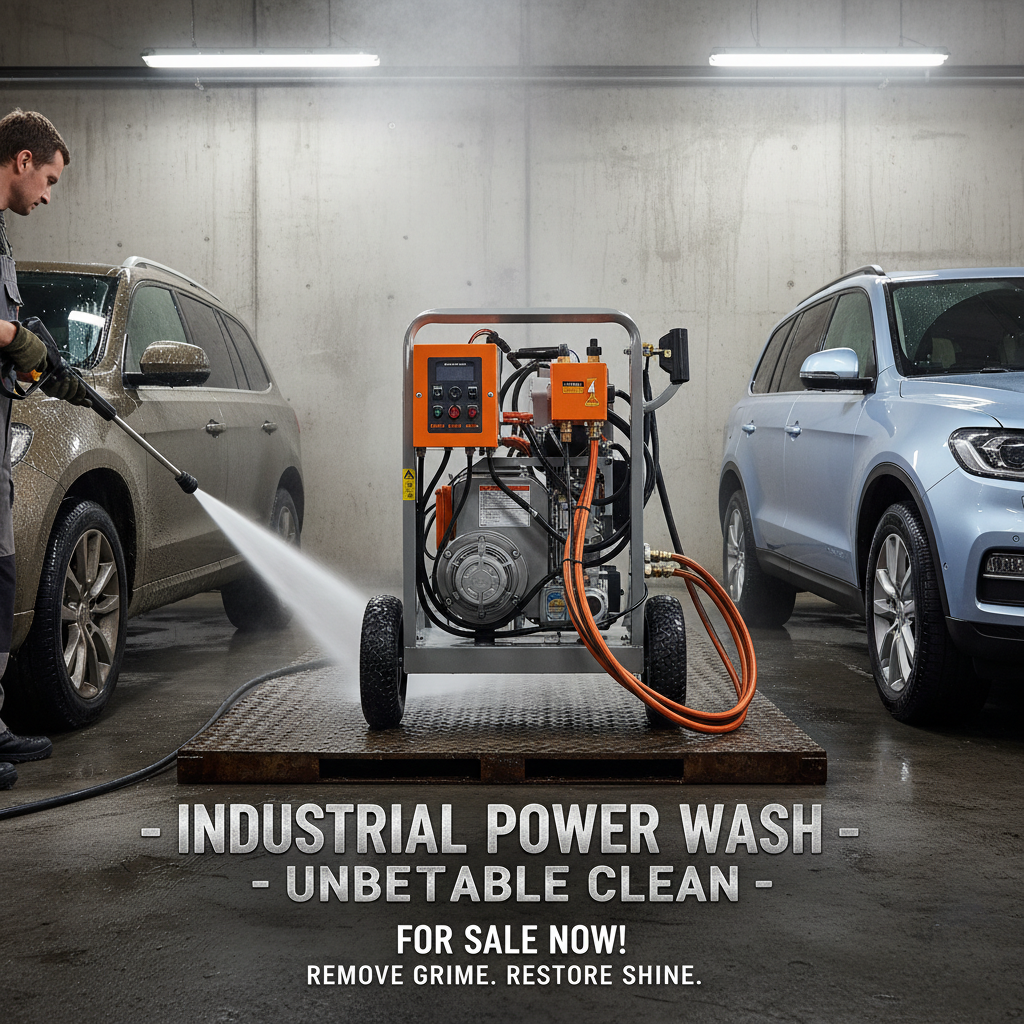
Maintaining a vehicle's exterior is no longer just about aesthetics; it is a critical aspect of asset preservation and environmental responsibility. A professional-grade car cleaning washer represents the intersection of high-pressure engineering and water conservation, allowing fleet managers and car enthusiasts alike to remove stubborn contaminants without damaging the vehicle's clear coat.
In the global shift toward sustainable urban living, the demand for efficient cleaning solutions has surged. Traditional washing methods often waste hundreds of liters of water per vehicle, whereas a modern car cleaning washer utilizes precision nozzles and optimized flow rates to reduce water consumption by up to 60% while delivering superior cleaning power.
Understanding the technical nuances of these machines—from pump pressure and flow stability to the integration of eco-friendly detergents—is essential for maximizing the lifespan of your automotive investments. This guide explores the industrial standards and innovative trends defining the next generation of car washing technology.
Global Industry Context of Car Cleaning Washers
The global car care market has undergone a massive transformation, driven by the increasing number of vehicles on the road and stricter environmental regulations. According to industry trends aligned with ISO environmental management standards, there is a critical move away from chemical-heavy, water-intensive manual washing toward automated and semi-automated car cleaning washer systems that prioritize resource efficiency.
One of the primary challenges facing the industry is the "water-energy nexus," where the need for high-pressure cleaning often conflicts with goals to reduce energy consumption. Modern engineering is solving this by implementing Variable Frequency Drives (VFD) in pumps, ensuring that the car cleaning washer only consumes the energy required for the specific task at hand, whether it be a light rinse or heavy mud removal.
Defining the Modern Car Cleaning Washer
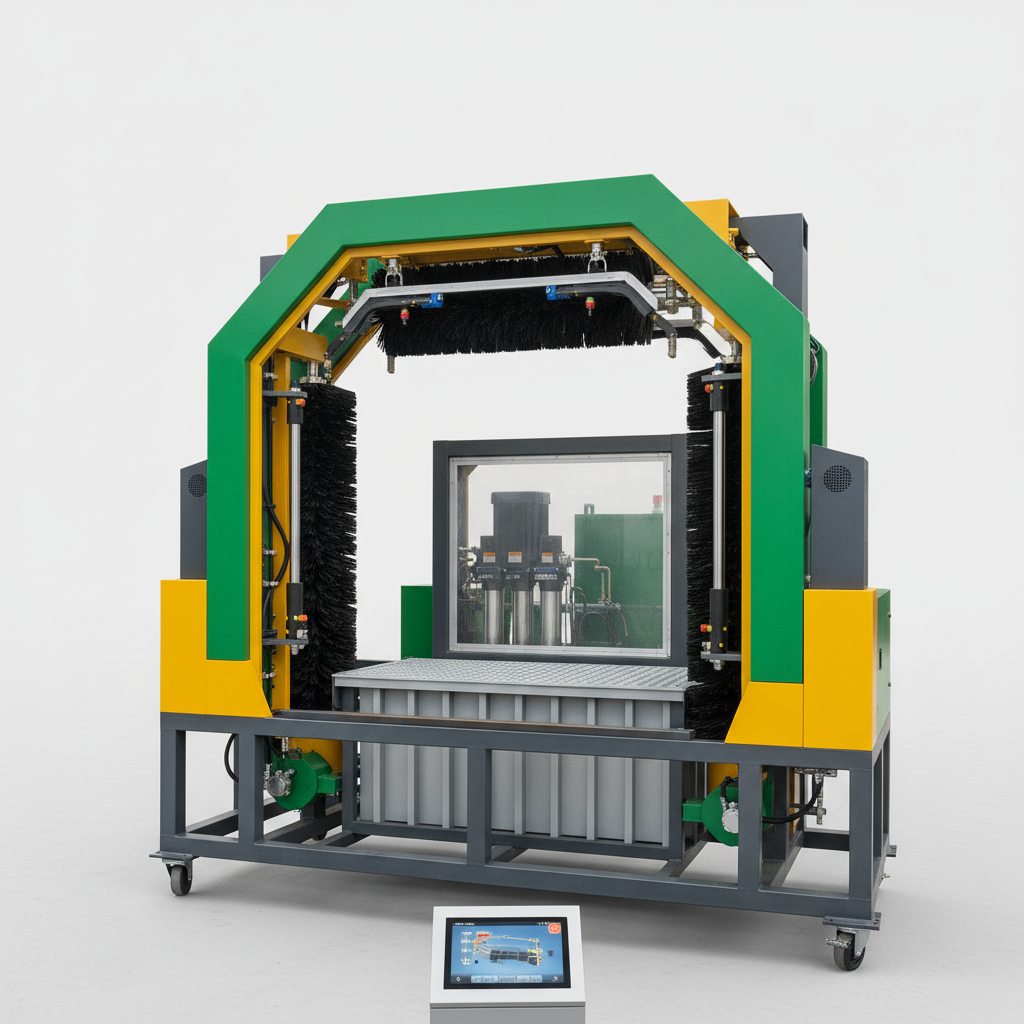
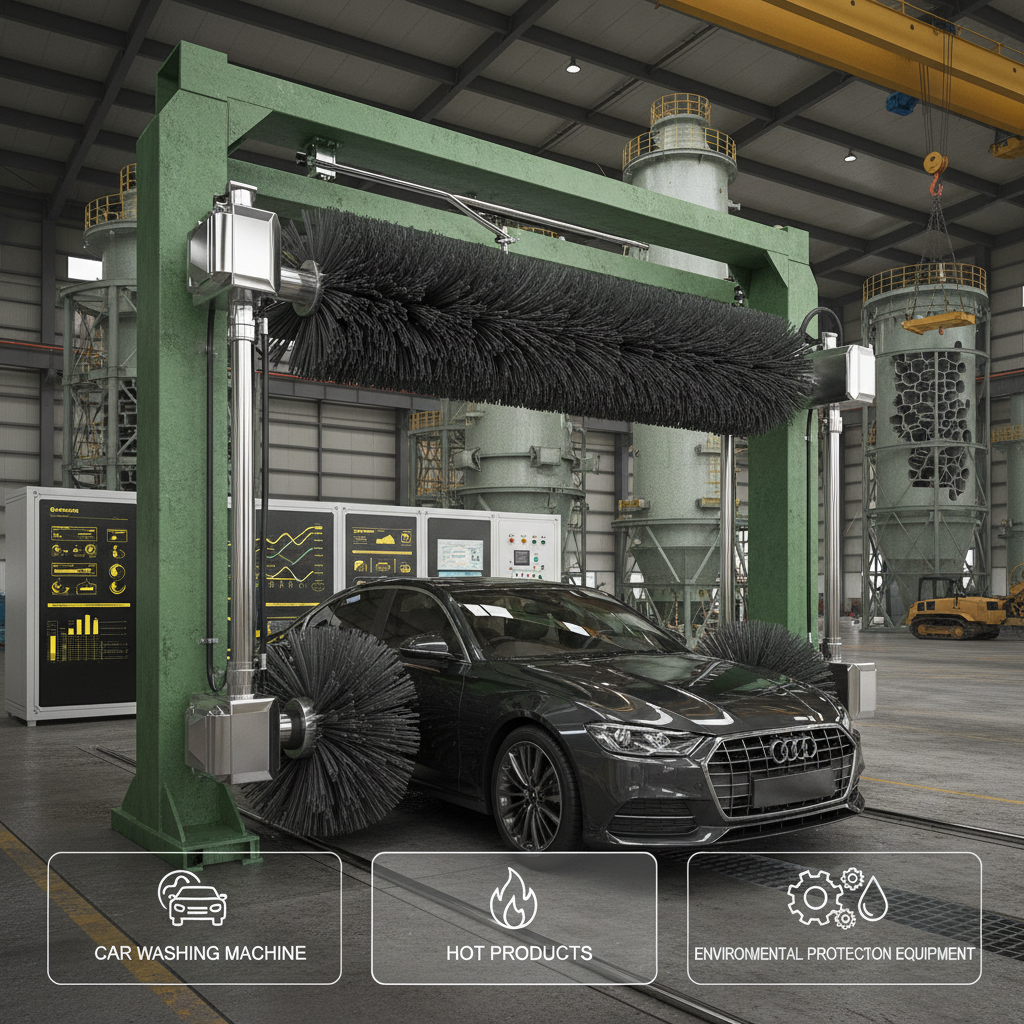
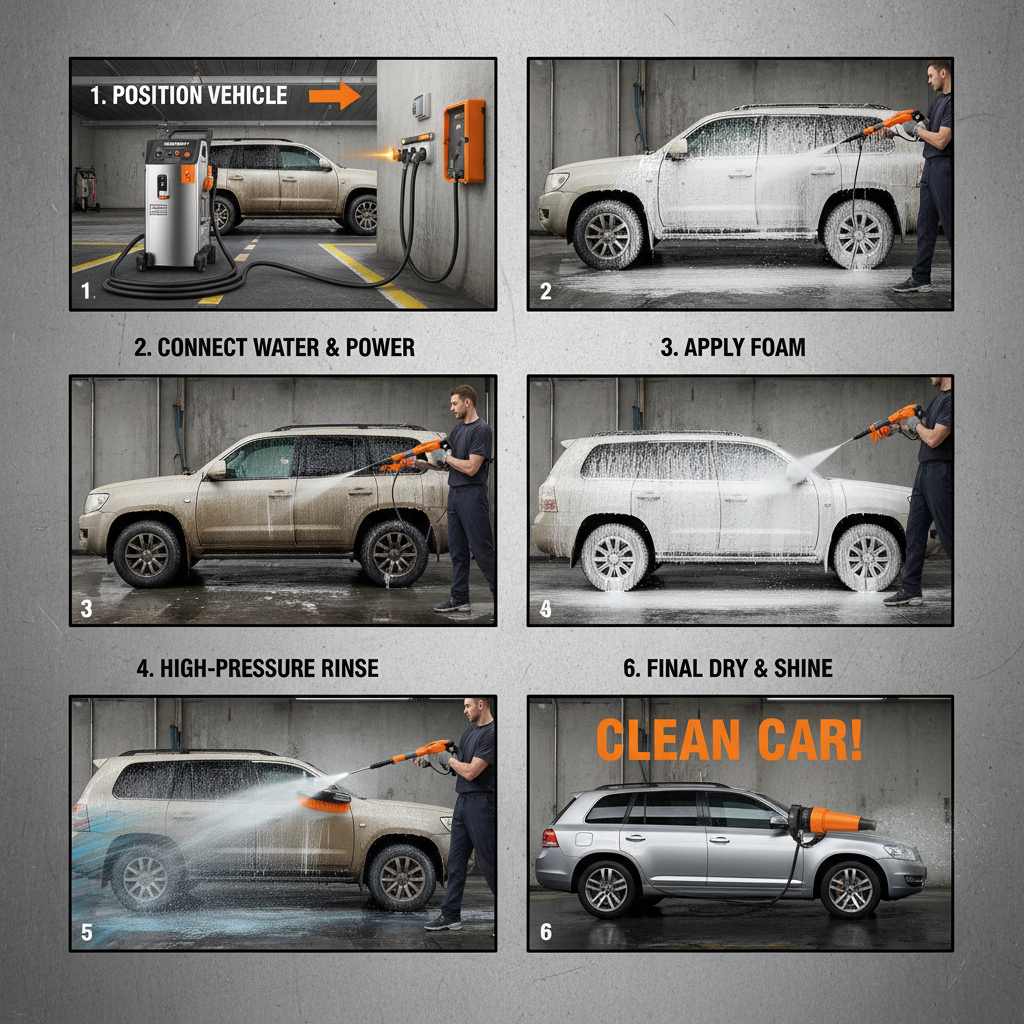
At its core, a car cleaning washer is a specialized piece of environmental equipment designed to remove contaminants from vehicle surfaces using a combination of pressurized water, specialized surfactants, and mechanical action. Unlike generic pressure washers, these machines are calibrated to provide a balance between "stripping power" (the ability to remove dirt) and "surface safety" (preventing scratches or paint erosion).
In the context of modern industry, these systems are no longer seen as simple appliances but as integrated cleaning stations. They often incorporate water recycling modules, pH-balanced foam injectors, and ergonomic controls that allow operators to switch between various pressure settings depending on the vehicle's material, such as matte wraps or traditional metallic paint.
From a humanitarian and urban perspective, the deployment of high-efficiency cleaning systems reduces the runoff of oils and heavy metals into city drainage systems. By utilizing a closed-loop car cleaning washer, businesses can comply with stringent municipal laws regarding wastewater treatment while maintaining high throughput.
Core Components for High-Performance Cleaning
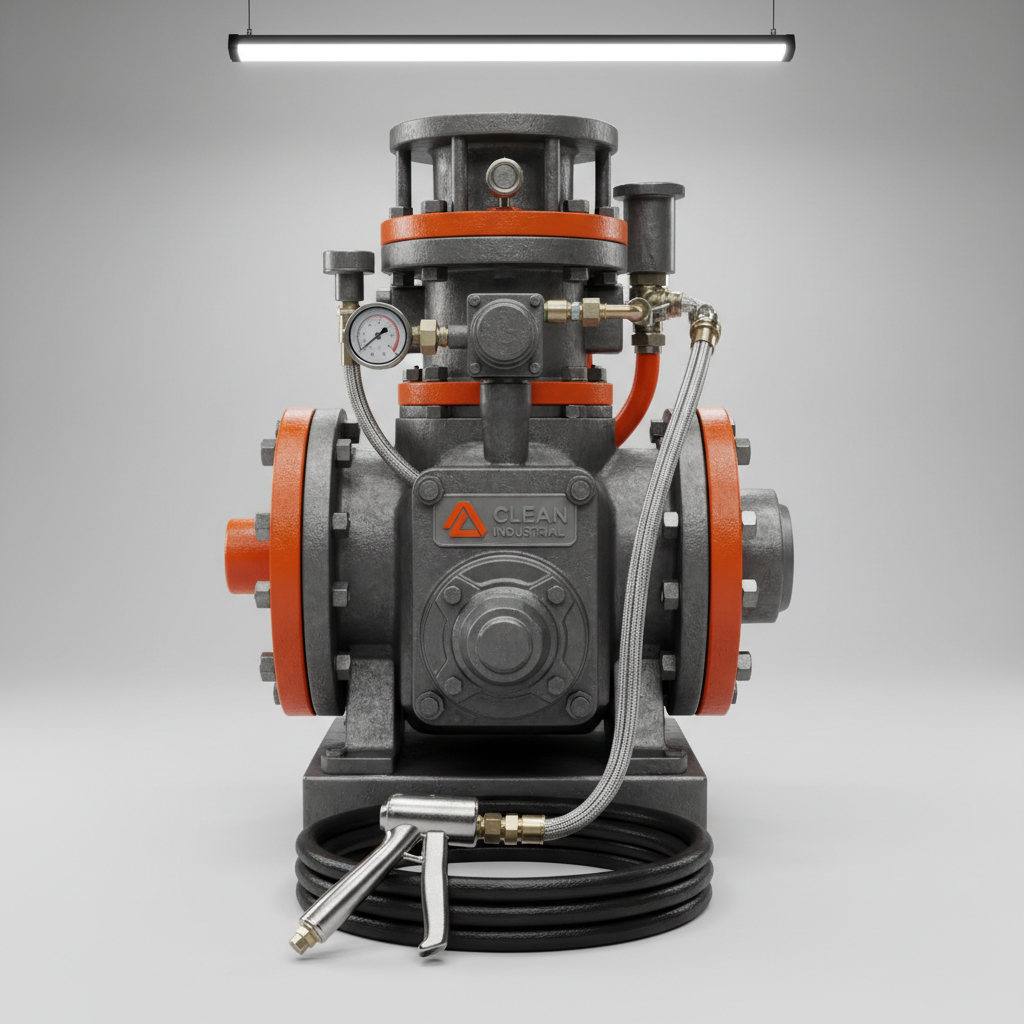
The heart of any high-end car cleaning washer is its pumping system. Whether utilizing a plunger pump or a diaphragm pump, the goal is to maintain consistent pressure without pulsations, which prevents uneven cleaning streaks and reduces wear on the internal seals.
Durability and material science play a huge role here; the use of stainless steel manifolds and ceramic pistons in a professional car cleaning washer ensures that the machine can withstand the corrosive nature of detergents and the high mechanical stress of continuous 24/7 operation.
Finally, the nozzle technology defines the end-user experience. Adjustable spray patterns—ranging from a concentrated "pencil jet" for wheel wells to a wide "fan spray" for roof panels—ensure that the car cleaning washer provides optimal coverage with minimal water waste.
Performance Metrics and Efficiency Analysis
Evaluating the effectiveness of a car cleaning washer requires looking beyond just the PSI (pounds per square inch). The "Cleaning Impact" is actually a product of pressure and flow rate (GPM). A machine with moderate pressure but high flow is often more effective at flushing away large amounts of debris than a high-pressure, low-flow unit.
Furthermore, energy efficiency is measured by the ratio of water delivered to the electricity consumed. Modern industrial car cleaning washer models incorporate smart sensors that detect the presence of a vehicle, automatically powering down during idle periods to save costs.
Efficiency Comparison of Car Cleaning Washer Methods
Global Applications and Industrial Use Cases
The versatility of the car cleaning washer extends far beyond commercial car washes. In logistics hubs across Europe and North America, these systems are used to maintain heavy-duty trucking fleets, where the removal of road salt and industrial grime is essential to prevent chassis corrosion and ensure vehicle longevity.
In more challenging environments, such as mining sites in Australia or oil fields in the Middle East, specialized ruggedized car cleaning washer units are deployed. These machines are often built into mobile containers and designed to handle extremely hard water or recycled greywater, proving that high-performance cleaning can be achieved even in the most remote industrial zones.
Long-Term Value and Sustainability Benefits
Investing in a premium car cleaning washer provides a tangible return on investment (ROI) through reduced labor costs and lower utility bills. By automating the most time-consuming parts of the cleaning process, businesses can increase their vehicle throughput, turning a cost center into a profit center.
Beyond the financial logic, there is a strong emotional and professional angle: trust. Customers and fleet owners value the "showroom finish" that only a precision car cleaning washer can provide. This level of care reflects a commitment to quality and attention to detail that enhances brand reputation.
From a sustainability standpoint, the shift toward "low-water" high-pressure technology is a moral imperative. By integrating biodegradable detergents and water-reclamation systems, the modern car cleaning washer ensures that the automotive industry moves toward a circular economy, minimizing its ecological footprint.
Future Innovations in Car Washing Technology
The next frontier for the car cleaning washer is the integration of Artificial Intelligence (AI) and Computer Vision. Future systems will be able to "scan" a vehicle to identify the specific areas with the most grime, adjusting pressure and detergent concentration in real-time to ensure a perfect clean without wasting a single drop of water.
We are also seeing a move toward "Green Energy" integration, where solar-powered car cleaning washer stations can operate off-grid, making them ideal for remote parking lots or eco-friendly corporate campuses. This digital transformation reduces human error and maximizes the operational lifespan of the hardware.
Material science is also evolving, with the introduction of nano-coatings for the machinery itself to prevent internal scaling and corrosion. This ensures that the car cleaning washer remains efficient for decades, reducing the need for frequent replacements and lowering the total cost of ownership.
Analysis of Future Car Cleaning Washer Technological Trends
| Innovation Dimension |
Traditional Washer |
Smart AI Washer |
Expected Impact |
| Water Usage |
High (Linear Flow) |
Low (Dynamic Flow) |
-40% Water Waste |
| Labor Requirement |
High (Manual Control) |
Low (Autonomous) |
Reduced OpEx |
| Energy Source |
Grid Electric Only |
Hybrid/Solar Integrated |
Carbon Neutrality |
| Precision |
Standard Spray |
Targeted AI Cleaning |
Zero Surface Damage |
| Maintenance |
Reactive (Fixed Schedule) |
Predictive (IoT Sensors) |
+25% Machine Life |
| Detergent Use |
Constant Ratio |
Adaptive Dosage |
Reduced Chemical Runoff |
FAQS
The ideal pressure depends on the application. For general body washing, 1,200 to 1,500 PSI is usually sufficient to avoid paint damage. For heavy-duty wheel and undercarriage cleaning, 2,000 to 3,000 PSI is more effective. We recommend choosing a car cleaning washer with adjustable pressure settings to handle different vehicle areas safely.
Yes, modern industrial washers are significantly more eco-friendly than traditional hose washing. By using high-pressure, low-volume (HPLV) technology and water recycling systems, a professional car cleaning washer can reduce water consumption by over 50% and minimize the amount of chemicals entering the wastewater stream.
It is highly recommended to use pH-neutral, biodegradable detergents specifically designed for high-pressure systems. Using harsh household chemicals can damage the pump seals and manifolds of your car cleaning washer, potentially voiding your warranty and reducing the machine's lifespan.
For commercial use, we suggest a monthly check of the oil levels and nozzle clearances. More comprehensive maintenance, including seal replacement and pump calibration, should be performed every 6 to 12 months depending on the usage volume. Regular maintenance ensures your car cleaning washer maintains peak efficiency.
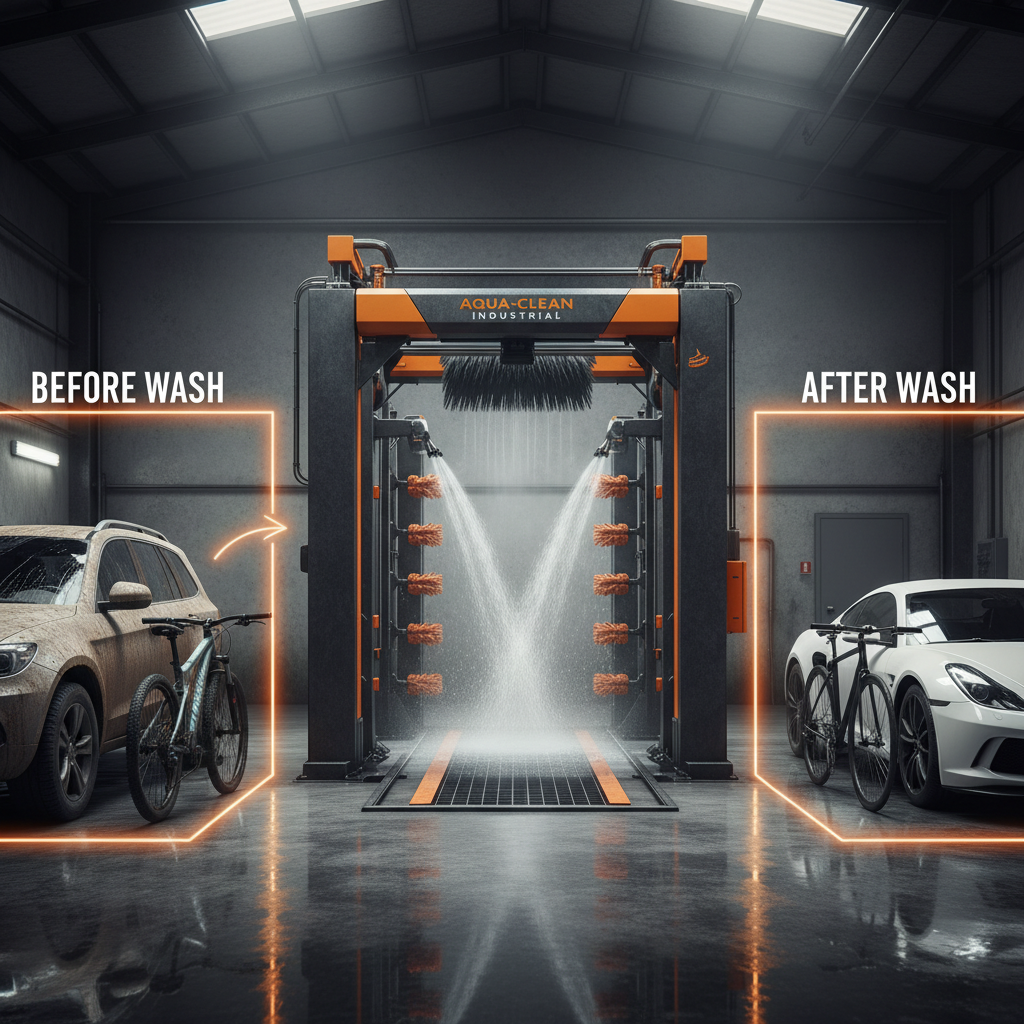
Touchless systems use high-pressure water and chemicals to remove dirt, eliminating the risk of "swirl marks" on the paint. Brush washers use mechanical friction. High-end car cleaning washer systems often combine both or offer high-pressure touchless options for luxury vehicle care.
Yes, provided you select a model with a noise-reduction enclosure and an appropriate drainage system. Many residential-grade car cleaning washer units are designed to operate within local noise ordinances while still providing commercial-level cleaning power.
Conclusion
The evolution of the car cleaning washer from a simple tool to a sophisticated industrial system reflects the broader global movement toward sustainability and precision engineering. By balancing high-impact cleaning power with resource conservation and AI-driven automation, these machines provide unparalleled value for both the economy and the environment.
As we look toward the future, the integration of green energy and predictive maintenance will further cement the role of the car cleaning washer as an essential asset in urban infrastructure. Whether you are managing a corporate fleet or upgrading a professional car wash, investing in high-efficiency technology today is the key to long-term operational success. Visit our website: www.dycarwasher.com