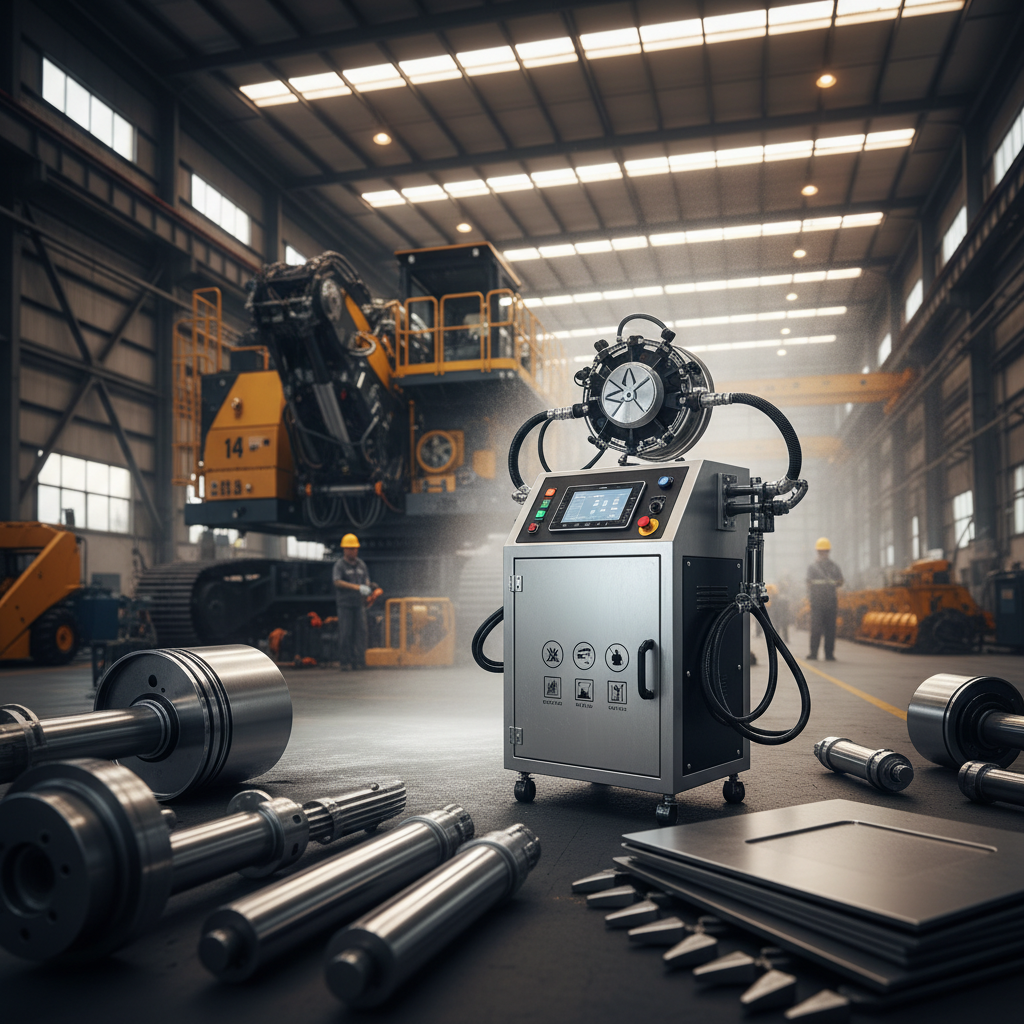
Maintaining the underside of a vehicle is often overlooked, yet it is the most critical area for preventing long-term structural decay. A professional car chassis washer provides a comprehensive solution to remove corrosive salts, mud, and road grime that accumulate in hard-to-reach areas, ensuring the longevity of the vehicle's frame.
From an industrial perspective, the shift toward automated undercarriage cleaning is driven by the need for efficiency and consistency. Manual cleaning is not only labor-intensive but often fails to reach the deep crevices of the chassis, leaving the vehicle vulnerable to oxidation and rust, which can significantly decrease the resale value and safety of the car.
By integrating a high-pressure car chassis washer into a car wash workflow, operators can offer a premium service that addresses the "invisible" part of car care. This technology not only enhances vehicle hygiene but also aligns with global standards of automotive maintenance and environmental protection by managing wastewater effectively.
Global Relevance of Car Chassis Washer Technology
Across the globe, particularly in regions with harsh winters or coastal environments, the use of a car chassis washer is no longer a luxury but a necessity. In North America and Northern Europe, the widespread application of road salts for ice control creates a highly corrosive environment that can eat through steel frames in just a few seasons if left untreated.
Industry data suggests that undercarriage corrosion is one of the leading causes of premature vehicle retirement in industrial fleets. By implementing standardized cleaning protocols, companies can extend the lifecycle of their assets, reducing the economic burden of vehicle replacement and aligning with ISO standards for equipment maintenance and environmental safety.
Defining the Modern Car Chassis Washer
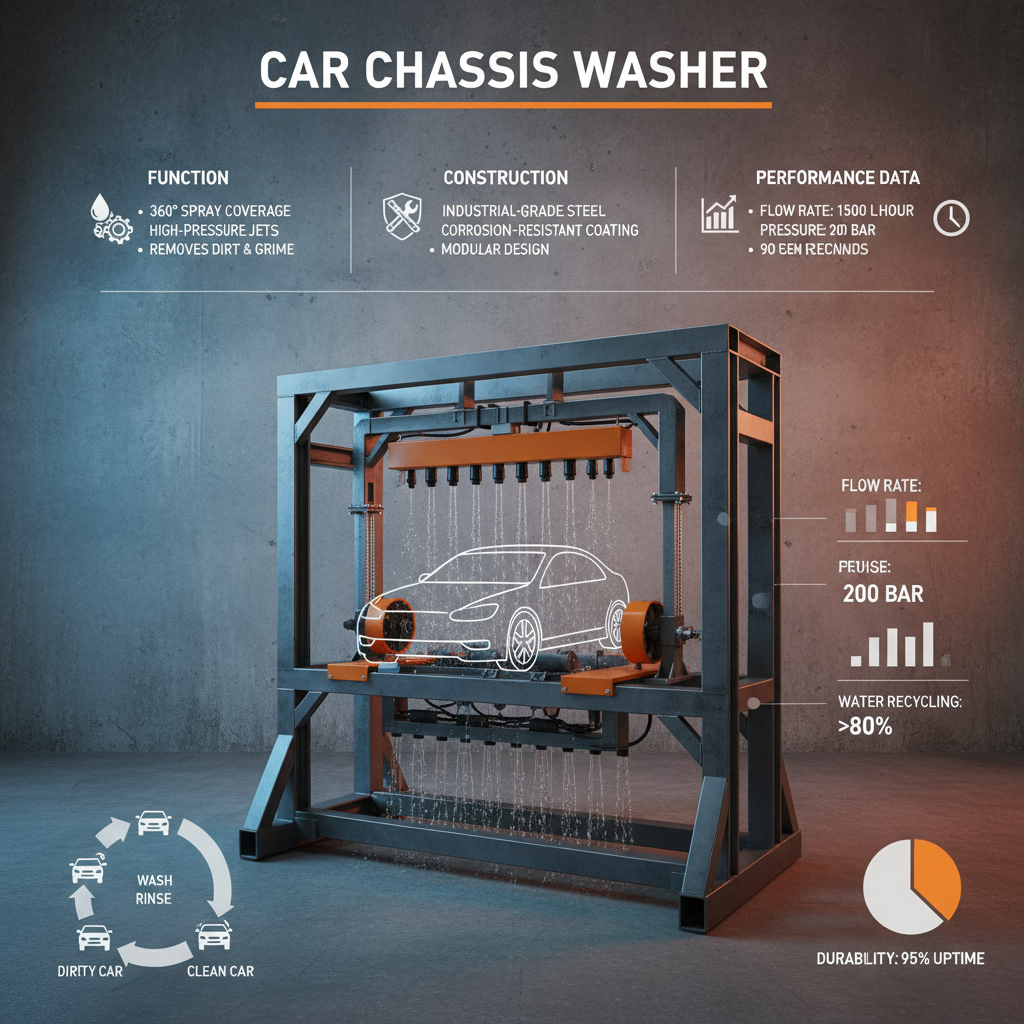
In simple terms, a car chassis washer is a specialized piece of industrial equipment designed to spray high-pressure water and cleaning agents onto the underside of a vehicle. Unlike a standard pressure washer, these systems are engineered with specific nozzle arrays and angling to ensure that every contour of the chassis—from the suspension system to the exhaust manifold—is thoroughly cleansed.
The connection to modern industry lies in the marriage of hydraulic engineering and automation. These systems are often integrated into tunnel washes or standalone bays, utilizing sensors to detect vehicle position and optimize water flow. This reduces waste and ensures that no area is missed, which is critical for heavy-duty trucks and luxury vehicles alike.
Beyond simple cleanliness, the role of this technology is increasingly humanitarian and environmental. By removing toxic road oils and chemicals from the chassis before they can leach into the groundwater during rainstorms, the car chassis washer acts as a first line of defense in urban environmental protection.
Core Components of High-Efficiency Cleaning
Durability is the cornerstone of any professional car chassis washer. Because the equipment is constantly exposed to water, detergents, and the debris blasted off vehicles, the use of stainless steel (SUS304 or SUS316) and corrosion-resistant coatings is mandatory to prevent the machine itself from degrading.
Precision Engineering in nozzle placement allows the car chassis washer to achieve maximum coverage with minimum water usage. High-impact rotating nozzles create a turbulent flow that breaks the surface tension of heavy mud, ensuring that deep-seated contaminants are dislodged without damaging sensitive underbody components.
Cost Efficiency is achieved through intelligent water recycling systems. Modern units often feature filtration loops that reclaim water, treating it to remove solids and oils before reusing it. This not only lowers utility costs for the operator but also significantly reduces the environmental footprint of the car washing facility.
Comparative Performance Analysis
When evaluating the effectiveness of different cleaning methods, it becomes clear that the automated car chassis washer outperforms manual spraying in both speed and thoroughness. The consistency of pressure and the strategic angle of the jets ensure that the "blind spots" typically missed by human operators are completely cleaned.
To provide a clearer picture, we analyze several common chassis cleaning configurations. Factors such as water consumption, cleaning time, and overall effectiveness are weighed to determine the best ROI for different business scales, from small detailing shops to high-volume commercial car washes.
Comparative Efficiency of Car Chassis Washer Systems
Real-World Applications and Use Cases
In industrial zones and mining regions, the car chassis washer is indispensable for heavy-duty fleet management. Vehicles operating in these environments often accumulate thick layers of clay and mineral-rich sludge that can trap moisture against the metal, accelerating corrosion. A daily automated wash ensures that these vehicles remain operational and safe for their crews.
Furthermore, in the luxury automotive sector, high-end detailing studios utilize specialized undercarriage washers to maintain the aesthetic and structural integrity of exotic cars. In these contexts, the focus shifts from brute force to precision, using tempered pressure settings to ensure that the vehicle's under-body aerodynamic panels and sensors are cleaned without risk of damage.
Long-Term Value and Sustainability
The investment in a professional car chassis washer yields tangible long-term value by drastically reducing the need for costly chassis repairs and parts replacement. When the structural integrity of the frame is preserved, the vehicle's safety rating remains high, and its lifespan is extended, providing a clear economic advantage to fleet owners.
From a sustainability standpoint, modern chassis washing systems are evolving to use biodegradable cleaning agents. This shift ensures that the runoff water—once treated—does not introduce harmful phosphates or surfactants into the local ecosystem, making the process eco-friendly and compliant with strict environmental regulations.
Emotionally, providing a full-service wash that includes the chassis builds trust between the service provider and the customer. It demonstrates a commitment to "total care," giving the vehicle owner peace of mind knowing that the invisible parts of their investment are being protected with the same rigor as the paintwork.
Future Trends in Chassis Care Automation
The future of the car chassis washer is inextricably linked to digital transformation. We are seeing the integration of AI-driven vision systems that can scan the underside of a vehicle in real-time, identifying specific areas of heavy accumulation and directing high-pressure jets specifically to those zones, further reducing water and energy waste.
Another emerging trend is the move toward "dry" or "low-moisture" cleaning technologies, such as CO2 blasting or specialized steam systems, which could potentially replace traditional water-based washing in sensitive industrial environments. These innovations aim to eliminate the need for massive water treatment plants while maintaining the same level of cleanliness.
As electric vehicles (EVs) become the norm, the car chassis washer will need to adapt to protect large battery packs. Future systems will likely incorporate "smart sensing" to adjust pressure and distance, ensuring that the battery casings are cleaned of road salt without compromising the seal or safety of the high-voltage components.
Analysis of Chassis Washing Technology Evolution
| Technology Era |
Cleaning Method |
Water Efficiency |
Automation Level |
| Traditional |
Manual Pressure Hose |
Low (High Waste) |
None |
| Early Industrial |
Fixed Jet Arrays |
Medium |
Semi-Automatic |
| Modern Standard |
Rotating Nozzle Systems |
High (Recycled) |
Fully Automatic |
| Smart Era |
AI-Targeted Spraying |
Very High |
Intelligent |
| Eco-Innovation |
Steam/CO2 Blasting |
Maximum |
Robotic |
| EV Specialized |
Pressure-Sensing Wash |
High |
Adaptive |
FAQS
Yes, professional systems are designed with adjustable pressure settings. While heavy-duty trucks require high-impact jets to remove mud, luxury cars or EVs utilize lower pressure and precise angles to ensure a thorough clean without damaging sensors, battery casings, or delicate underbody panels.
In regions where road salt is used, it is recommended to use a chassis washer every 1-2 weeks. Salt is hygroscopic and attracts moisture, creating a brine that accelerates rust. Regular cleaning prevents this salt from bonding to the metal frame.
Absolutely. Most car chassis washer units are modular and can be installed as a standalone bay or integrated into the entry or exit phase of an automated tunnel wash for a seamless customer experience.
While it cannot "cure" existing rust, it is the most effective way to prevent it. By removing the corrosive agents (salt, mud, chemicals) that trigger oxidation, you stop the rust process before it starts, preserving the vehicle's structural integrity.
Modern systems are highly efficient, often using significantly less water than manual spraying due to precision nozzles. Many high-end units also include water reclamation systems that filter and reuse up to 80% of the water.
A standard pressure washer is a handheld tool. A car chassis washer is a specialized system with a fixed or rotating array of nozzles designed specifically to cover the entire underbody of a car automatically and uniformly.
Conclusion
In conclusion, the implementation of a high-quality car chassis washer is a critical investment for any automotive service provider or fleet manager. By combining durable stainless-steel construction, precision hydraulic engineering, and water-saving technology, these systems solve the perennial problem of undercarriage corrosion while enhancing operational efficiency and environmental compliance.
As the automotive industry pivots toward electric vehicles and smarter automation, the importance of specialized underbody care will only grow. We encourage business owners to adopt these innovative cleaning solutions to ensure vehicle safety, maximize asset lifespan, and provide an unmatched level of service to their clients. Visit our website for more professional solutions: www.dycarwasher.com