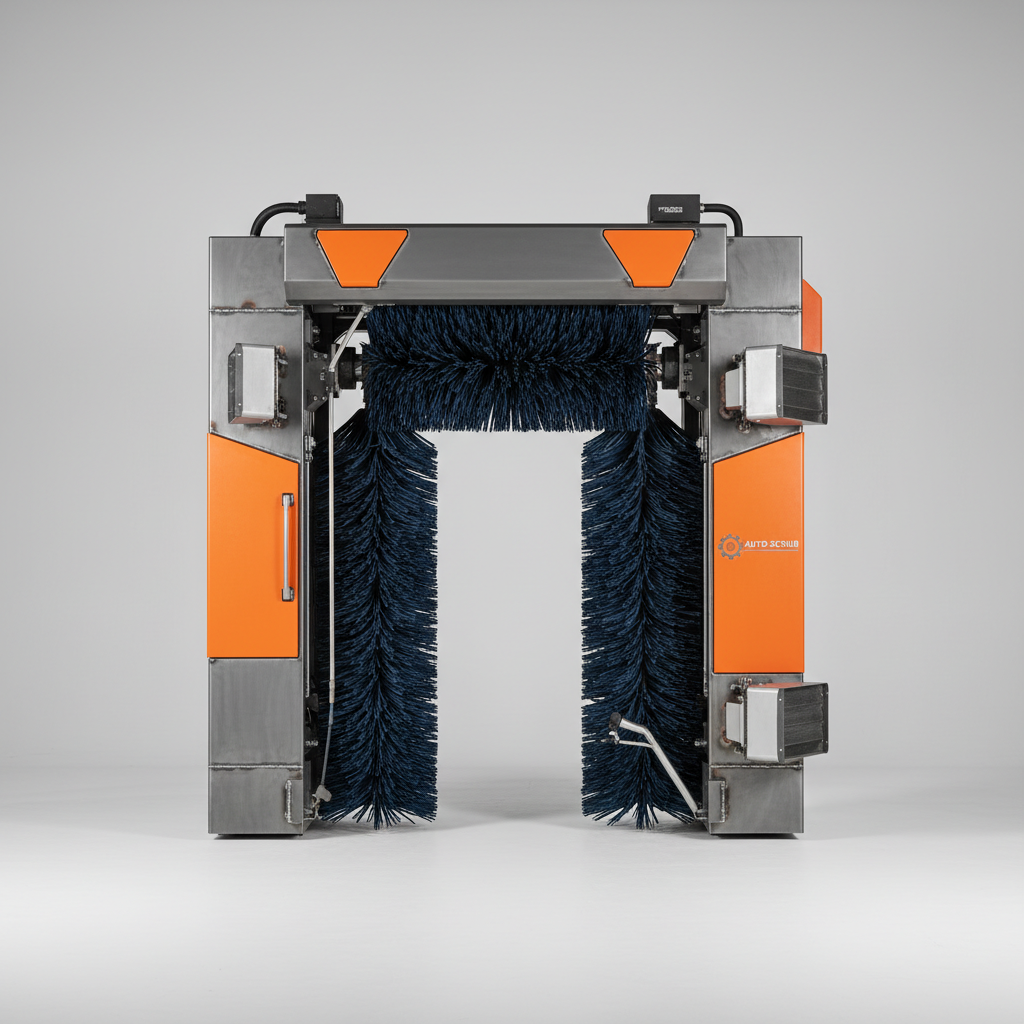

Determining the total investment for a professional vehicle cleaning system involves more than just looking at the initial car washer price. For B2B operators, the cost is a complex calculation involving equipment specifications, installation complexity, and long-term operational efficiency. This guide analyzes the economic factors that influence the acquisition of tunnel-type and automatic washing machinery.
In the commercial cleaning sector, the balance between capital expenditure (CAPEX) and operational expenditure (OPEX) determines the viability of a car wash business. Factors such as galvanized steel construction, PLC automation levels, and water recovery capabilities significantly impact the final quote. Understanding these variables allows procurement managers to avoid hidden costs and select equipment that aligns with their specific vehicle volume requirements.
Readers will explore the technical components that drive pricing, from CNC-machined profiles to high-power drying fans. We will also examine how specific features—like the double keel frame structure and infrared sensing—contribute to the long-term value of the machinery, providing a comprehensive framework for evaluating supplier quotes and calculating return on investment.
Investment Analysis for Automated Wash Systems
The pricing of industrial vehicle washing equipment is rooted in the materials and engineering standards used during manufacturing. High-quality systems typically utilize national standard galvanized profiles and powder-sprayed high-temperature melting paint to prevent corrosion in humid environments. The integration of an automatic car washer price point often varies based on whether the system is a simple reciprocating model or a complex tunnel system like the DY-QC-9, which incorporates a conveyor track and multi-stage cleaning modules. From a procurement perspective, the value lies in the synergy between the mechanical structure—such as the double keel frame—and the electronic control system. A system that offers higher stability and lower failure rates through the use of renowned components (like Omron sensors and Xinjie PLCs) may have a higher upfront cost but reduces the total cost of ownership by minimizing downtime and emergency repairs.
Evaluating Commercial Vehicle Cleaning Costs
To accurately evaluate a quote, one must dissect the system into its primary cost drivers. The following analysis breaks down the technical and operational elements that influence the final investment and ongoing expenses of an automated wash facility.
Primary Cost Drivers
The most significant factors affecting the price are the type of cleaning technology and the scale of the equipment. Tunnel systems require more infrastructure, including conveyor tracks and larger footprints, compared to in-bay automatics. The choice of brushes—such as soft foam cotton brushes designed for 200,000 to 300,000 uses—impacts both the initial cost and the frequency of replacements. Additionally, the inclusion of optional systems, such as wastewater recovery, adds to the initial price but is essential for environmental compliance and reducing water utility bills.
| Cost Component | Impact Factor | Evaluation Criterion | Buyer's Check |
|---|---|---|---|
| Frame Material | Galvanized Steel | Corrosion Resistance | Powder Coating Quality |
| Control System | PLC (e.g., Xinjie) | Operational Stability | Anti-interference Ability |
| Brush Type | Soft Foam Cotton | Paint Protection | Bristle Life Cycle |
| Sensing Tech | Infrared/Photoelectric | Vehicle Profiling | Sensing Accuracy |
| Drying System | High-power Fans | Cycle Time | Air Flow Volume (kW) |
| Water System | Recovery Module | Utility Cost | Filtration Efficiency |
Structural Engineering and Durability
The physical architecture of the machine determines its lifespan. A double keel frame structure, which utilizes a two-layer skeleton of bent and welded galvanized iron plates, offers superior stability compared to traditional single-keel designs. This engineering choice reduces vibration during high-speed brushing and extends the overall service life of the machine. When reviewing pricing, buyers should verify the thickness of the bearing and the precision of the transmission chain, as these components are critical for maintaining consistent vehicle movement through the tunnel.
Automation and PLC Control Efficiency
Modern systems rely on Programmable Logic Controllers (PLCs) to manage the complex sequence of spraying, brushing, and drying. The cost of the control system is reflected in its ability to perform automatic fault detection, vehicle profiling, and remote operation. A high-end PLC system ensures that the brushes automatically sense the width and height of the vehicle, preventing damage to the car body. Investing in a system with comprehensive self-diagnostic functions reduces the need for specialized technicians on-site, thereby lowering long-term labor costs.
Water and Energy Consumption Factors
Operational costs are heavily influenced by the efficiency of the water and power systems. For example, a tunnel machine may consume between 100L to 150L per vehicle. The integration of an automatic filling water tank and a wastewater recovery system can significantly lower these costs. Similarly, the power consumption (e.g., 28KW for a standard tunnel unit) depends on the number of high-power fans and the efficiency of the motors. Energy-saving technology in the motor drives helps in maintaining a lower monthly utility overhead.
Maintenance and Lifecycle Expenses
Maintenance costs are often overlooked during the initial purchase. Key consumables include the foam cleaning solution and the brushes. Using high-quality stainless steel fittings and waterproof reducing motors reduces the frequency of component failure. A professional system should include a car washing counting system, allowing operators to schedule preventive maintenance based on actual usage rather than time intervals, which optimizes the lifecycle of the mechanical parts.
Installation and Site Requirements
The final installed cost includes sea freight, customs, and on-site assembly. For international procurement, CIF costs (Cost, Insurance, and Freight) are a major component. Installation requires precise ground leveling for the trailer guide rails to ensure the vehicle enters the system straight. Professional installation by factory engineers ensures that the photoelectric sensors are correctly aligned, which is critical for the safety and functionality of the automatic identification system.
ROI and Operational Throughput
The ultimate value of the equipment is measured by its throughput. An intelligent tunnel system capable of washing a vehicle every 120 seconds maximizes revenue potential. When comparing different equipment options, the "cost per car" is a more useful metric than the total price. High automation reduces the personnel required per shift, while the speed of the air drying system reduces the overall cycle time, allowing for a higher volume of vehicles to be processed during peak hours.
FAQ
What factors most influence the cost of a tunnel car wash system?
The primary cost drivers include the quality of construction materials (such as galvanized steel vs. standard iron), the sophistication of the PLC control system, the number of brushing modules, and the inclusion of a wastewater recovery system. Additionally, the scale of the conveyor track and the power of the drying fans significantly impact the final investment.
Does a higher initial price guarantee lower operating costs?
Generally, yes. Systems with higher-grade components—such as Omron sensors, stainless steel fittings, and high-durability foam brushes—require less frequent replacement and have lower failure rates. Furthermore, equipment designed with energy-saving motors and water recycling capabilities reduces monthly utility expenses, providing better long-term value.
What should I check in a supplier's quote for installation?
Verify if the quote includes CIF sea freight, customs clearance, and the cost of installation personnel. Ensure that the responsibilities for airfare, accommodation, and local meals for the engineers are clearly defined. Also, check if the installation includes the setup of the trailer guide rails and the calibration of the infrared sensing system.
How does the double keel frame structure add value?
The double keel frame provides a more rigid skeleton for the machinery, which significantly improves structural stability and aesthetics. This reduces mechanical vibration during the brushing process, leading to less wear and tear on the motors and bearings, and ultimately extending the operational lifespan of the equipment.
Is wastewater recovery a necessary investment?
While it increases the initial capital expenditure, a wastewater recovery system is highly recommended for commercial operators. It allows for the reuse of water, drastically lowering water bills and ensuring compliance with local environmental regulations regarding industrial runoff, which prevents potential legal fines.
What is the average lifespan of the brushing components?
High-quality new-generation foam cotton brushes are designed for heavy commercial use and can typically last between 200,000 and 300,000 wash cycles. Their soft bristles ensure a scratch-free finish while resisting the absorption of mud and water, which maintains cleaning efficiency over time.
References and further reading
- Industrial Standards for Galvanized Steel in Automotive Equipment Manufacturing.
- PLC Automation and Sensor Integration in Commercial Vehicle Washing Systems.
- Environmental Regulations for Commercial Car Wash Wastewater Management.
Related Articles