
Regional Analysis
Cambodia's Commercial Vehicle Cleaning Landscape
Analyzing the intersection of infrastructure growth and the need for professional washing technology.
Cambodia's transport sector is undergoing a significant transition as urban centers like Phnom Penh and Siem Reap expand. The surge in logistics, ride-hailing, and public transit fleets has created a massive demand for efficient vehicle maintenance. However, the local market has traditionally relied on fragmented, manual washing services that struggle to scale. The geographic reality, characterized by a tropical climate and seasonal heavy rains, means vehicles accumulate mud and contaminants rapidly, necessitating more robust and frequent cleaning cycles than in temperate regions.
Current market trends indicate a shift toward professionalism and automation. Commercial operators are increasingly seeking Vehicle Wash Systems that offer predictable costs and standardized results. This shift is driven by a need to reduce the total cost of ownership for fleets and a growing awareness of environmental regulations regarding water runoff. The integration of automated chemical dispensing and water reclamation is becoming a key differentiator for competitive car wash entrepreneurs in Cambodia's emerging economy.
The primary opportunity lies in the gap between basic manual washes and high-end specialized equipment. There is a critical need for durable, energy-saving systems that can handle diverse vehicle sizes—from compact cars to heavy-duty buses. While infrastructural constraints like power stability can be a challenge, the adoption of highly reliable, industrial-grade equipment from experienced manufacturers provides a sustainable path toward operational efficiency and long-term profitability in the Cambodian automotive service sector.
Industry Progress
The Evolution of Automated Cleaning Technology
Tracing the journey from basic pressurized water to intelligent energy-saving systems.
Early Adoption
Manual-Centric Era
Cleaning relied almost entirely on handheld pressure washers and manual scrubbing, resulting in slow speeds and high water waste.
Recent Development
Mechanized Transition
Introduction of basic automatic brushes and conveyor systems, reducing labor needs but often lacking in water and energy efficiency.
Current Phase
Smart Eco-Automation
Integration of PLC controls, energy-saving motors, and advanced wastewater treatment for sustainable, high-volume operations.
From Labour-Intensive to Capital-Efficient
The industry has moved away from hiring large teams of cleaners toward investing in a single, high-reliability machine. This transition stabilizes operational costs and eliminates the variability associated with human error in vehicle cleaning.
Precision Engineering for Chassis Care
Early systems focused on the body; modern evolution emphasizes the undercarriage. Specialized car cleaning jet washer technology now ensures that the most vulnerable parts of the vehicle are cleaned without damage.
Environmental Compliance as a Standard
What was once an optional feature—water reclamation—is now a core requirement. Modern systems are designed to minimize the ecological footprint of car washes, making them more acceptable in regulated urban environments.
Future Outlook
Emerging Trends in Professional Vehicle Washing
Identifying the technological shifts redefining the commercial cleaning industry.
Contactless Wash Adoption
Growing demand for high-pressure air and water systems that clean without physical brush contact to preserve delicate paintwork on luxury fleet vehicles.
Energy-Saving Motor Drives
Shift towards variable frequency drives (VFD) that optimize energy consumption based on the vehicle size, reducing the operational electricity load.
Smart Fleet Integration
Integration of car wash systems with fleet management software to schedule cleaning based on vehicle mileage and usage patterns.
Biodegradable Chemical Use
Increasing preference for eco-friendly, phosphate-free shampoos that maintain cleaning efficiency without contaminating local waterways.
The overarching trend is the move toward "Green Automation." It is no longer sufficient for a machine to be fast; it must also be resourceful. This means integrating sensors that detect vehicle presence and size to adjust water flow and brush pressure in real-time. For operators in Cambodia, this translates to lower overheads and a stronger brand image as an environmentally responsible business.
Furthermore, the versatility of equipment is becoming paramount. The ability of a single installation to handle everything from a small sedan to a large commercial bus using the same car brush washer technology allows owners to diversify their client base and maximize the ROI of their equipment investment.
Practical Application
Vehicle Washing Scenarios in the Cambodian Market
How our technology solves real-world problems across different commercial contexts.
01
Urban Logistics Hubs in Phnom Penh
Logistics companies managing delivery vans face constant urban grime. By implementing a reciprocating automatic washer, these hubs can clean their entire fleet during overnight shifts without requiring a large overnight staff, ensuring every vehicle starts the day with a professional image.
02
Tourism Bus Operators in Siem Reap
Large tour buses accumulate significant dust and mud on provincial roads. Using specialized bus washing machines with high-reach brushes and powerful underbody jets, operators can maintain luxury standards for international tourists while reducing washing time from hours to minutes.
03
Commercial Car Wash Franchises
Entrepreneurs launching high-volume car wash centers need to maximize throughput. A tunnel-type system allows for a continuous flow of vehicles, enabling the business to handle hundreds of cars per day with minimal labor, drastically increasing the monthly revenue per square meter.
04
Construction Fleet Maintenance
Heavy machinery and trucks used in infrastructure projects face severe chassis contamination. A dedicated car chassis washer setup allows these firms to remove corrosive materials and mud daily, preventing long-term mechanical failure and reducing maintenance costs.
05
Governmental and Utility Vehicle Depots
Public service fleets require standardized maintenance. By installing automated, energy-saving systems, government depots can ensure all utility vehicles are cleaned uniformly while reducing the public expenditure on water and chemical detergents.
Deployment Evidence
Representative Operational Perspectives
Illustrative scenarios demonstrating the impact of automation on vehicle maintenance.
Transitioning from a manual crew to an automated tunnel system allowed for a significant increase in daily vehicle throughput. The consistency in cleaning quality has improved customer retention and reduced the time spent managing staff shifts.
The integration of a specialized chassis washing system has been critical for our heavy-duty fleet. We have observed a reduction in underbody rust issues, which previously required expensive manual scraping and repainting every year.
Implementing energy-saving automation has significantly lowered our monthly utility costs. The precision in chemical dosing means we are no longer wasting shampoo, and the water reclamation system is a huge benefit for our urban location.
Our Heritage
Xingtai Dingyuan: Engineering Excellence
A commitment to technological innovation and environmental stewardship in vehicle cleaning.
Foundational Phase
Establishment in Industrial Capital
Located in Xingtai City, the industrial capital of northern China, the company established its roots in professional automatic car washing equipment research and manufacturing.
Expansion Phase
Capacity and Facility Growth
Developed a massive production base with workshops exceeding 3000 square meters, incorporating modern production lines to support diverse equipment models including bus and tunnel washers.
Global Phase
International Market Penetration
Successfully expanded exports to diverse global markets including Peru, the Philippines, Thailand, Saudi Arabia, Nigeria, Spain, and Ghana, proving the adaptability of the technology.
Innovation Focus
Commitment to Eco-Efficiency
Focused research and development on creating high-quality, reliable, and energy-saving automation equipment, driven by a mission of environmental protection and energy conservation.
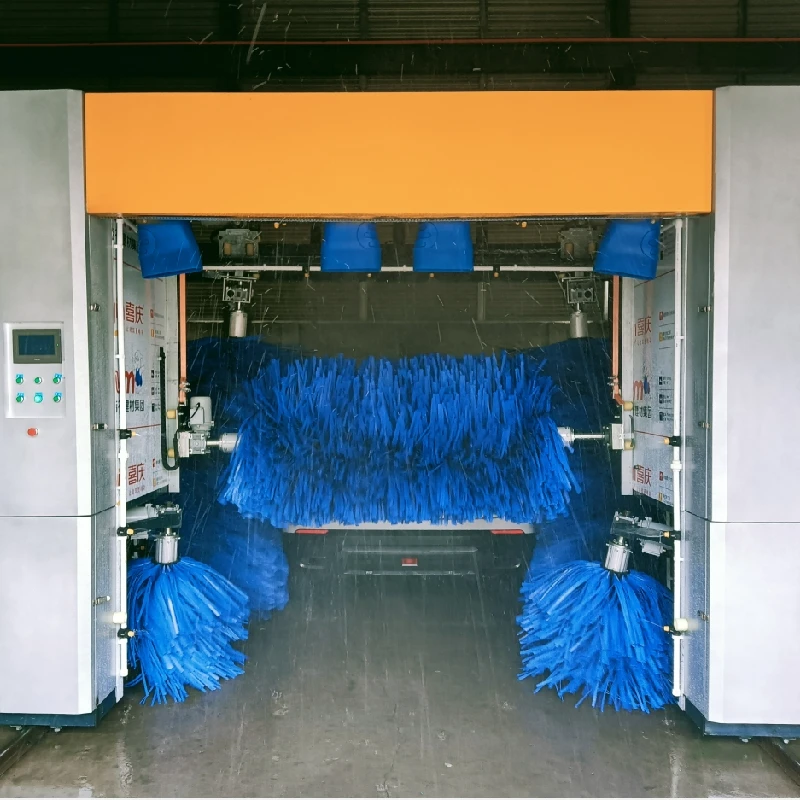
DY-QC-5 Automatic Car Washing Machine
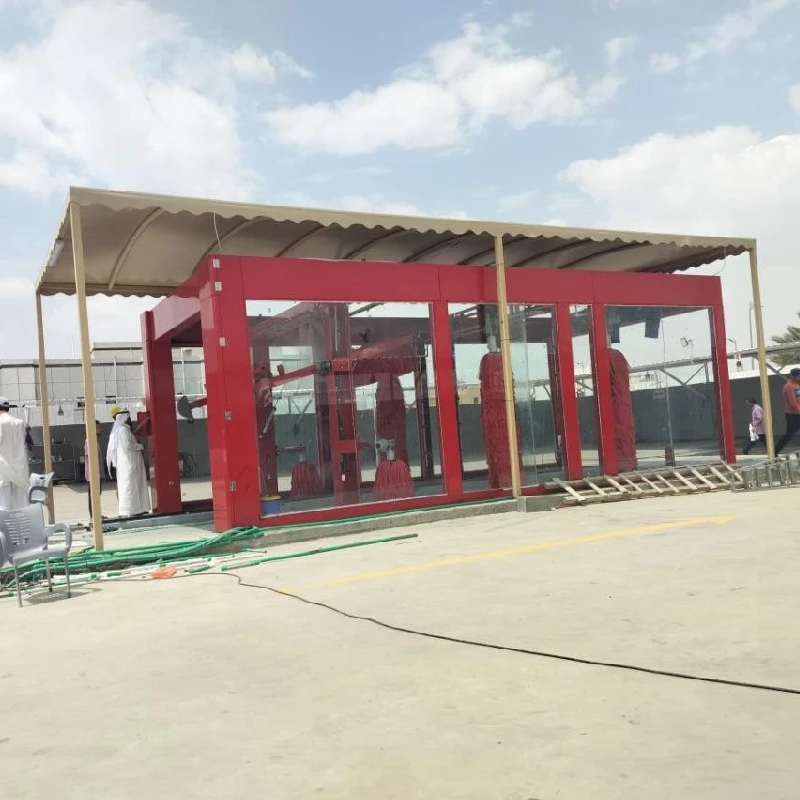
DY-QC-9 Tunnel car washing machine
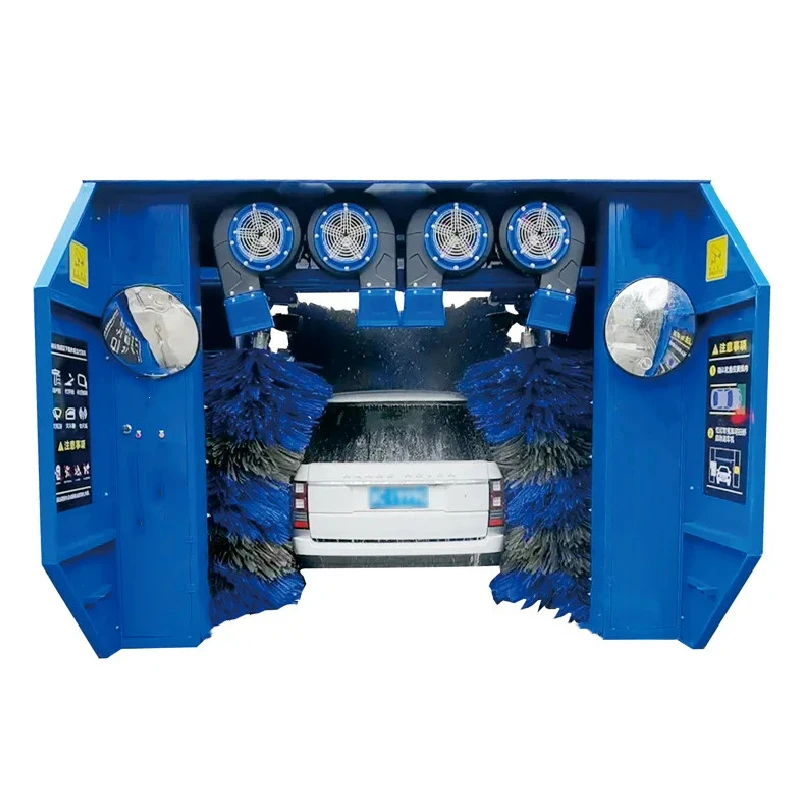
Automatic Car Wash Machine/ Rolling Car Washing Machine/ Gantry Car Washing Machine/ Reciprocating Car Washing Machine
Expert Guidance
Frequently Asked Questions
Clear answers to common queries regarding automated washing systems.
What are the primary differences between reciprocating and tunnel car wash systems?
Reciprocating systems move the machine back and forth over a stationary vehicle, making them ideal for smaller footprints and lower-to-medium volume sites. Tunnel systems move the vehicle through a series of cleaning stations via a conveyor, which is far superior for high-volume commercial operations. The choice depends on your available space and your projected daily vehicle count.
How much can I realistically expect to save on water and labor costs?
While exact savings vary by operation, automation typically reduces labor requirements by replacing multiple manual cleaners with a single operator. Water savings are achieved through precision spraying and optional reclamation systems that recycle a significant percentage of the water. These factors combined lead to a lower per-vehicle operational cost and a faster return on investment.
Can these systems be adapted to the specific power and water conditions in Cambodia?
Yes, our equipment is designed for global deployment. We can incorporate voltage stabilizers and robust pump systems to handle local fluctuations in power and water pressure. We recommend a site survey to ensure that the installation includes the necessary infrastructure to maintain the equipment's performance and longevity in the Cambodian environment.
How does a car chassis washer differ from a standard underbody spray?
A standard spray often only rinses the surface, whereas a professional chassis washer uses high-pressure, targeted jet nozzles designed to penetrate deep into the undercarriage. This is essential for removing heavy mud and corrosive salts that accumulate on the frame, which is vital for maintaining the safety and resale value of commercial fleets.
What maintenance is required to ensure the long-term reliability of the equipment?
Regular maintenance includes checking nozzle clearances, lubricating moving parts, and monitoring filter health in water reclamation units. Our machines are built with industrial-grade components to minimize failures, but a scheduled monthly inspection is recommended to prevent unplanned downtime and ensure consistent cleaning quality.
How do I choose the right model for my specific business needs?
The selection process should begin with an analysis of your average vehicle size and your target daily volume. If you are focusing on high-turnover retail, a tunnel system is best. For fleet maintenance or specialized chassis cleaning, a reciprocating or custom jet system is more appropriate. We provide consultation to align the machine's capacity with your business goals.
Ready to Automate
Optimize Your Vehicle Cleaning Operations in Cambodia
Whether you are managing a commercial fleet or launching a professional car wash business, the right automation technology is the key to scaling your operations. Contact our engineering team today to discuss the best configuration for your site, evaluate your throughput needs, and explore our range of energy-saving solutions designed for the Cambodian market.
Request a Consultation