
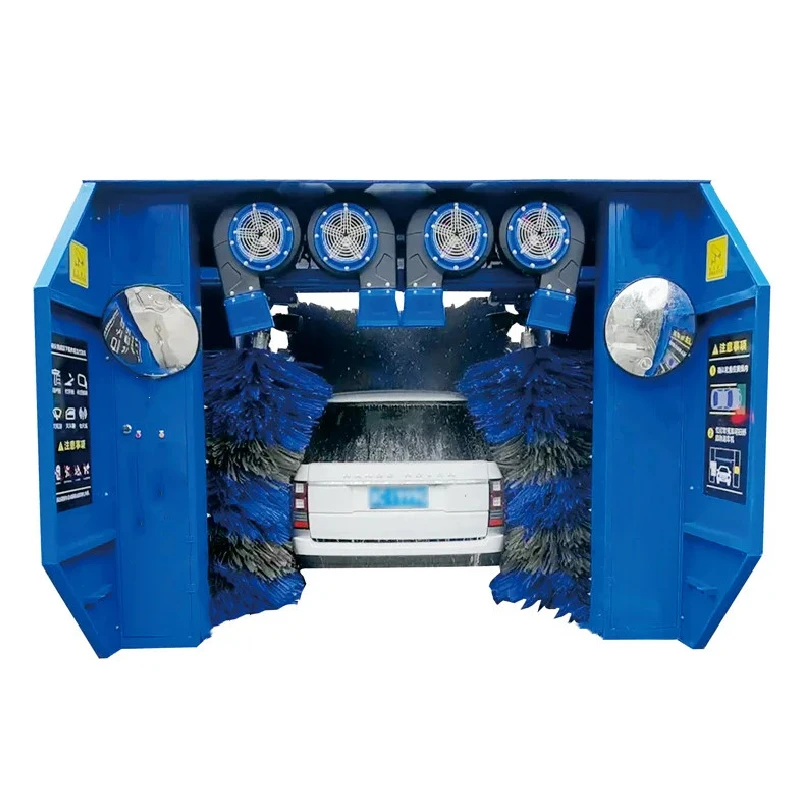
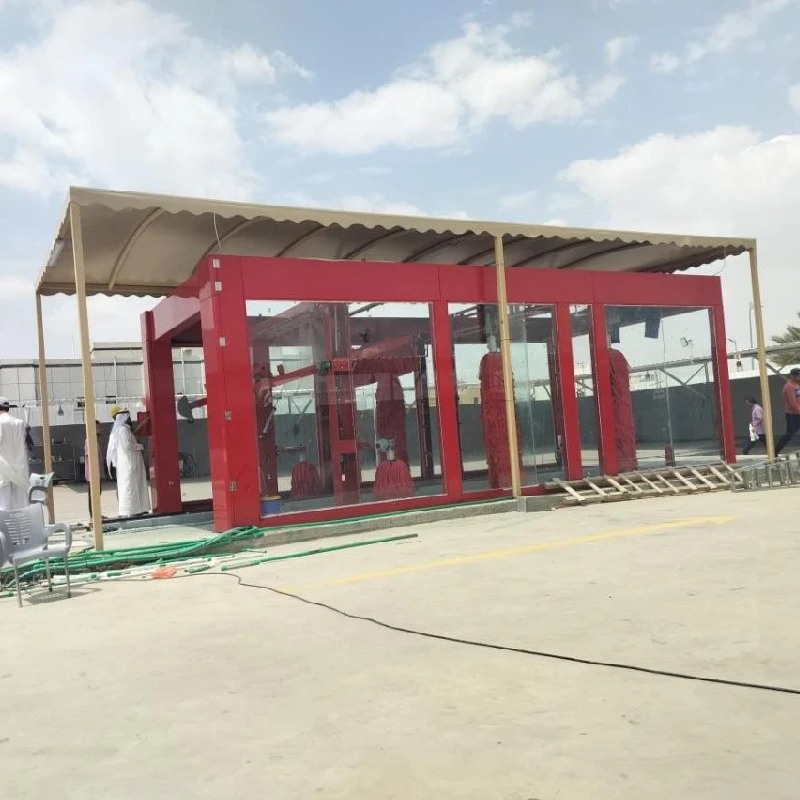
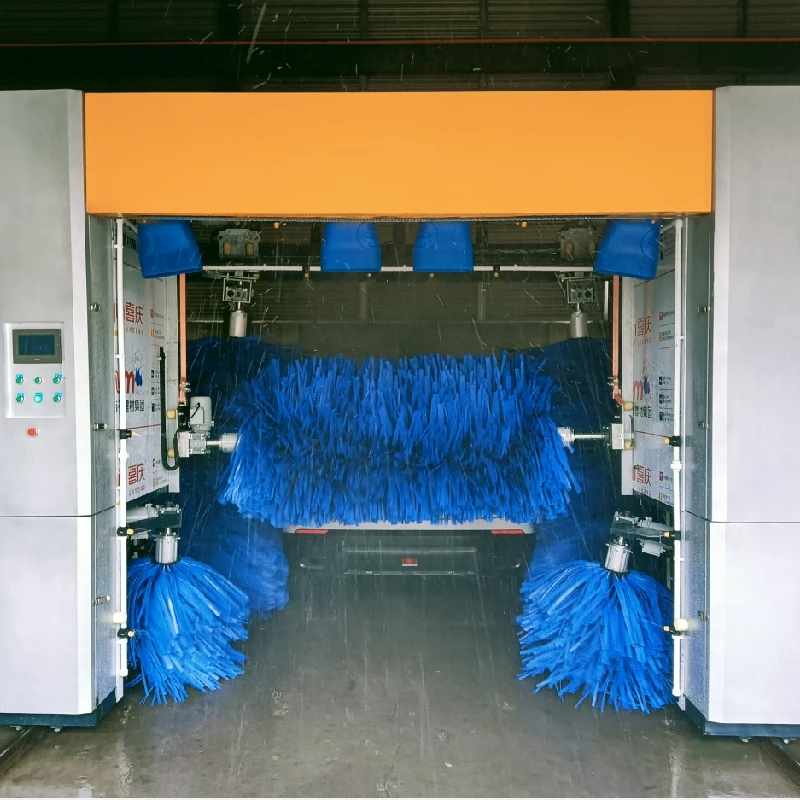
Sustainable Vehicle Wash Systems for Rwanda's Green Economy

High-efficiency, water-saving automotive cleaning solutions engineered to withstand Rwandan topography and environmental standards.

Sustainable Vehicle Wash Systems for Rwanda's Green Economy

Integrating advanced environmental protection technology to provide Rwanda with automated cleaning solutions that minimize water waste and maximize chassis protection.

Automotive Cleaning Landscape in Rwanda

Analyzing the intersection of rapid urbanization and environmental preservation in Kigali and beyond.

Rwanda's unique geography, characterized by its "thousand hills," leads to significant accumulation of mud and volcanic soil on vehicle undercarriages, especially during the rainy seasons. This creates a critical demand for a robust car chassis washer to prevent long-term corrosion and maintain vehicle longevity in the region.

Currently, the market is transitioning from manual bucket-washing—which consumes excessive water—to semi-automated systems. There is a growing awareness in Kigali regarding the chemical runoff from traditional soaps, driving the need for biodegradable car clean shampoo and closed-loop water recycling systems.

Despite the growth, many operators still rely on outdated high-pressure tools that lack precision. The shift toward professional Vehicle Wash Systems is becoming essential as Rwanda positions itself as a regional hub for sustainable logistics and tourism.

Evolution of Rwanda's Wash Industry

From manual labor to environmentally conscious automation.

Market Development History

Prior to 2010, the Rwandan market was dominated by manual washing services. Water usage was unregulated, and the primary tool was a simple hose, offering little protection for the vehicle's paint or chassis.

Between 2011 and 2020, the introduction of the first basic car cleaning jet washer units began to standardize the industry, reducing the time per wash and improving the quality of surface cleaning in urban centers.

Since 2021, the focus has shifted toward "Environmental Protection Equipment." The current era is defined by the integration of PLC-controlled systems and water reclamation technology to meet Rwanda's strict environmental goals.

Future Development Trends

Water Neutrality Integration

Future systems will focus on 95% water recovery rates to combat water scarcity during dry seasons, utilizing advanced filtration membranes.

Smart Resource Management

Integration of IoT sensors to optimize the dosage of car clean shampoo based on the actual soil level of the vehicle.

Energy-Efficient Automation

A transition toward solar-powered car brush washer systems to reduce operational costs and carbon footprints in rural Rwanda.

Industry Trends and Future Outlook

Predicting the trajectory of automotive environmental equipment in East Africa.

Eco-Friendly Chemistry
Shift towards phosphate-free cleaners to protect Rwanda's groundwater and lakes.
Precision Chassis Care
Enhanced underbody cleaning to combat the abrasive volcanic soils of the Rwanda highlands.
Automation Scaling
Replacing manual labor with high-speed car brush washer technology for volume.
Smart Monitoring
Real-time water and energy tracking to align with Rwanda's Vision 2050.

Industry Outlook

Based on current Google search trends in East Africa, there is a surging interest in "automated eco-washing." As Rwanda implements stricter urban planning in Kigali, the demand for compact, high-efficiency Vehicle Wash Systems is expected to grow by 15% annually.

The convergence of environmental protection and industrial efficiency will drive the market toward modular systems that can be easily upgraded as water recycling technology evolves, ensuring that Rwanda's automotive sector remains sustainable.

Localized Application Scenarios in Rwanda

Customized solutions for the unique Rwandan automotive environment.

1. Kigali Urban Service Centers

Deployment of high-throughput car brush washer systems in the capital to handle the daily commute volume while complying with city noise and water runoff ordinances.

2. Northern Province Mining Fleet

Implementation of heavy-duty car chassis washer units to remove abrasive minerals and mud from industrial vehicles operating in mining areas.

3. Eco-Tourism Safari Hubs

Integration of water-recycling Vehicle Wash Systems near national parks to ensure that 4x4 vehicles are cleaned without contaminating local wildlife water sources.

4. Logistics Hubs in Eastern Rwanda

Use of industrial-grade car cleaning jet washer stations for long-haul trucks crossing borders, focusing on rapid turnaround and deep degreasing.

5. Premium Detail Centers

Combining high-precision pressure systems with specialized car clean shampoo to serve the growing luxury vehicle market in Rwanda's diplomatic circles.

Brand Story

Global Development Journey of Xingtai Dingyuan Energy Saving Technology Co., Ltd.

The Foundation of Green Tech

Established with a mission to solve industrial water waste, we focused on creating the first generation of energy-saving wash components.

Technological Breakthroughs

Developed advanced PLC control systems that reduced water consumption by 40% compared to industry standards.

Global Market Expansion

Expanded our footprint into Africa, tailoring our equipment to withstand extreme climates and varied power grid stabilities.

Sustainability Leadership

Certified as a leader in environmental protection equipment, focusing on the circular economy of water in the automotive sector.

Commitment to Rwanda

Dedicated to supporting Rwanda's green growth by providing localized technical support and eco-friendly hardware.

Common Questions in Rwanda

Expert answers to the most pressing concerns of Rwandan wash operators.

How does a car chassis washer handle Rwanda's volcanic soil?

Our chassis washers use high-impact rotating jets specifically designed to break down the dense, sticky volcanic soil found in Rwanda's Northern and Western provinces, ensuring a complete clean without damaging the vehicle's underbody.

Can Vehicle Wash Systems operate with unstable power grids?

Yes, our systems are equipped with voltage stabilizers and optional backup power integration to ensure consistent performance and protect the electronic components from power surges common in some regional areas.

What is the water consumption of a modern car brush washer?

With our integrated water recycling systems, a professional car brush washer can reduce fresh water intake by up to 80% compared to manual washing methods, making it ideal for water-conscious regions in Rwanda.

Is your car clean shampoo biodegradable for local environments?

Absolutely. Our shampoos are formulated to be 100% biodegradable and phosphate-free, ensuring that runoff does not harm Rwanda's delicate ecosystem or contaminate groundwater.

How often does a car cleaning jet washer need maintenance?

Due to the mineral content in some Rwandan water sources, we recommend a quarterly nozzle check and a monthly filter flush to maintain optimal pressure and longevity of the pump.

What is the installation timeline for full Vehicle Wash Systems in Kigali?

Standard installation usually takes 7-14 days, depending on the site's existing plumbing and electrical infrastructure. We provide full remote and on-site commissioning support.

Get Your Custom Green Solution

Ready to upgrade your automotive cleaning business in Rwanda? Our experts are ready to design a system that fits your specific location and environmental goals.

Contact Us Now

If you are interested in our products, you can choose to leave your information here, and we will be in touch with you shortly.