
Professional Car Wash Equipment: High-Efficiency & Durable Systems
The Evolution and Impact of Advanced Car Wash Equipment
In the rapidly evolving automotive service sector, the demand for efficient, reliable, and high-performance vehicle cleaning solutions is paramount. Modern car wash equipment represents a significant technological leap from traditional manual methods, offering unparalleled speed, quality, and consistency. This comprehensive overview delves into the intricate world of automatic and gantry car washing systems, exploring their technical specifications, application versatility, manufacturing precision, and the critical factors influencing their adoption across various commercial and industrial settings.
As businesses strive for operational excellence and enhanced customer satisfaction, investing in state-of-the-art car washing infrastructure has become a strategic imperative. This article aims to provide B2B decision-makers and technical professionals with an authoritative resource on the latest advancements, ensuring informed choices in procuring robust and sustainable car wash solutions.
Current Industry Trends in Car Washing Technology
The global car wash industry is experiencing a transformative phase, driven by technological innovation, environmental consciousness, and evolving consumer expectations. Key trends shaping the development and deployment of car wash equipment include:
- Automation and AI Integration: Advanced sensor technology, machine vision, and artificial intelligence are enabling fully autonomous washing processes, optimizing water and chemical usage, and identifying specific vehicle contours for precise cleaning. This reduces labor costs and enhances wash quality.
- Sustainability and Eco-Friendliness: There's a strong push towards water recycling systems, biodegradable cleaning agents, and energy-efficient components. Modern wet car wash equipment often incorporates advanced filtration and reclamation systems, significantly reducing environmental impact and operational costs.
- IoT and Remote Monitoring: Internet of Things (IoT) capabilities allow for real-time monitoring of machine performance, predictive maintenance, and remote diagnostics. This proactive approach minimizes downtime and extends the operational life of the equipment.
- Enhanced User Experience: Touchscreen interfaces, customizable wash programs, and seamless payment integrations improve customer satisfaction and operational efficiency for car wash operators.
- Specialized Washing Solutions: Growing demand for specialized washes for different vehicle types (e.g., oversized vehicles, sensitive finishes) is driving innovation in brush materials, water pressure systems, and chemical application.
According to a report by Grand View Research, the global car wash services market size was valued at USD 33.3 billion in 2022 and is expected to grow at a compound annual growth rate (CAGR) of 3.2% from 2023 to 2030, underscoring the robust demand for efficient cleaning solutions and the underlying equipment.
Manufacturing Process Flow of High-Performance Car Wash Equipment
The manufacturing of modern car wash equipment is a complex, multi-stage process that demands precision engineering, high-quality materials, and rigorous testing to ensure durability and optimal performance. The process typically encompasses design, material selection, fabrication, assembly, and comprehensive quality assurance.
1. Design and Engineering
- Conceptualization & CAD: Detailed 3D CAD modeling (e.g., SolidWorks, AutoCAD) for structural integrity, component fit, and functional design, optimizing for fluid dynamics and mechanical stress.
- FEA (Finite Element Analysis): Simulation of stress, strain, and fatigue on critical components to ensure structural resilience under continuous operation.
2. Material Procurement and Preparation
- Frame & Structural Components: High-grade stainless steel (e.g., SUS304 or SUS316 for enhanced corrosion resistance) or hot-dip galvanized steel, selected for their strength-to-weight ratio and resistance to harsh chemicals and moisture.
- Brushing Systems: Closed-cell foam (e.g., EVA, PE) or soft fabric materials for brushes, engineered to be gentle on vehicle finishes while effectively removing dirt.
- Pumps & Nozzles: Stainless steel or marine-grade bronze for high-pressure pumps and precision-engineered nozzles to ensure consistent water pressure and spray patterns.
- Electrical Components: IP67-rated enclosures and industrial-grade PLCs (Programmable Logic Controllers) for reliable operation in wet environments.
3. Fabrication and Machining
- CNC Machining: Precision cutting, drilling, and shaping of metal components using Computer Numerical Control (CNC) machines to ensure exact tolerances (e.g., ±0.05 mm).
- Welding: Robotic or certified manual TIG/MIG welding for structural components, followed by passivation to prevent corrosion in weld zones.
- Surface Treatment: Powder coating for exposed mild steel parts, ensuring enhanced resistance to UV, corrosion, and abrasion.
4. Assembly and Integration
- Modular Assembly: Components are assembled into pre-tested modules (e.g., pump stations, gantry frames, brush assemblies) to streamline final integration.
- Electrical & Plumbing Integration: Installation of wiring harnesses, sensors, PLC systems, and high-pressure water lines, all meticulously routed and secured.
5. Testing and Quality Assurance
Every piece of equipment undergoes rigorous testing to meet international standards such as ISO 9001 for quality management and CE marking for European market compliance. This includes:
- Hydrostatic Testing: Verification of pump and piping integrity under extreme pressure.
- Functional Testing: Full-cycle operation tests simulating real-world usage, checking brush rotation, water pressure, chemical application, and drying efficiency.
- Electrical Safety Checks: Adherence to ANSI/NFPA 70 (National Electrical Code) standards for wiring, grounding, and fault protection.
- Noise & Vibration Analysis: Ensuring operational noise levels are within acceptable limits for commercial environments.
The projected service life for well-maintained automatic car wash equipment typically ranges from 10 to 15 years, largely due to the robust materials and precise manufacturing processes. This longevity translates into a strong return on investment for operators.
Technical Specifications of Leading Car Wash Machines
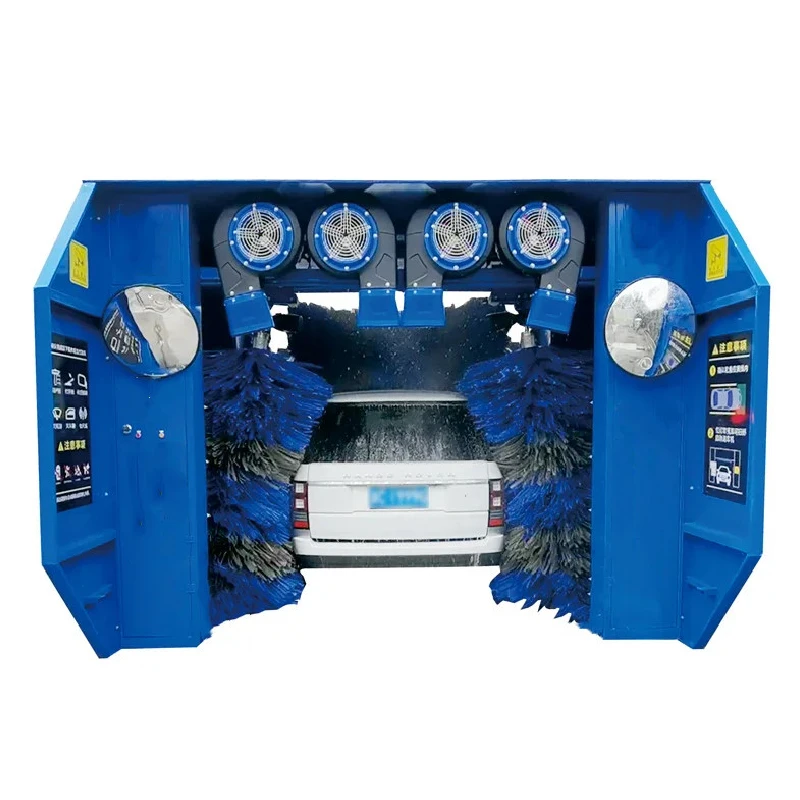
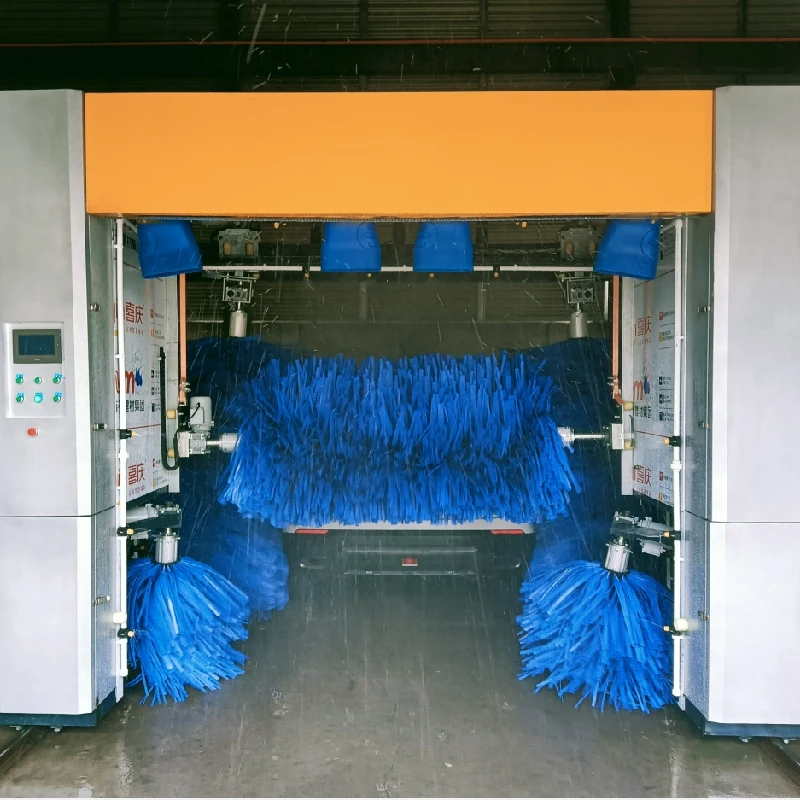
Understanding the technical parameters of various car wash equipment types is crucial for selecting the right solution. Automatic car wash machines, including gantry and reciprocating systems, offer distinct advantages based on design and operational methodology.
Product Specification Table: Automatic Gantry Car Wash Machine
| Parameter | Specification | Technical Detail / Advantage |
|---|---|---|
| Dimensions (L x W x H) | Min. 7000 x 3800 x 3100 mm (Installation) | Optimized footprint for various site constraints. |
| Washable Vehicle Size (L x W x H) | Max. 5500 x 2200 x 2000 mm | Accommodates a wide range of passenger vehicles and light commercial vans. |
| Power Supply | 380V / 50Hz / 3-phase, 18-22 kW | Industrial standard power, ensuring robust operation. |
| Water Consumption | 80-120 L per car (without recycling) | Efficient water usage, further reduced with optional water recycling systems. |
| Washing Speed | 3-5 minutes per car (Full Cycle) | High throughput for busy operations, maximizing profitability. |
| Control System | PLC (Programmable Logic Controller) with HMI (Human-Machine Interface) | Advanced diagnostic capabilities and customizable wash programs. |
| Drying System | Integrated high-efficiency air blowers (2 x 5.5 kW or 4 x 4 kW) | Rapid, streak-free drying, improving customer satisfaction. |
| Frame Material | Hot-dip galvanized steel or SUS304 Stainless Steel | Superior corrosion resistance for long-term reliability in harsh environments. |
Application Scenarios and Target Industries
The versatility and efficiency of modern for car wash equipment make it indispensable across a spectrum of industries. These systems are designed to handle varying volumes and types of vehicles, providing consistent, high-quality cleaning.
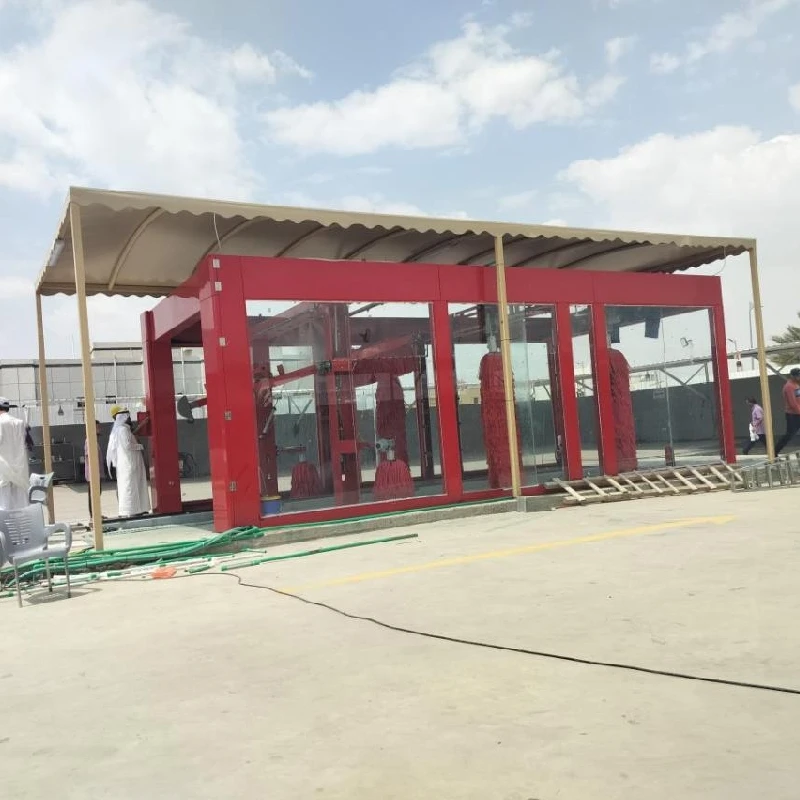
- Commercial Car Wash Facilities: This is the primary market, where high throughput, low operational costs, and excellent wash quality are critical for profitability. Both gantry and tunnel systems are deployed based on space and volume requirements.
- Automotive Dealerships and Service Centers: Providing a clean vehicle post-service is a standard practice that enhances customer perception and satisfaction. Automatic systems ensure a professional finish every time.
- Fleet Management and Logistics Companies: Maintaining a clean fleet of delivery vans, trucks, or taxis is essential for brand image and vehicle longevity. Customized solutions for larger or specialized vehicles are often required.
- Rental Car Agencies: Rapid turnaround of clean vehicles is vital for rental operations. High-speed automatic systems facilitate quick preparation between rentals.
- Gas Stations and Convenience Stores: Offering a car wash service acts as an additional revenue stream and a draw for customers, increasing overall site traffic. Compact gantry systems are popular here.
- Public and Private Transport Depots: Buses, trams, and trains require regular, thorough cleaning. Specialized heavy-duty wet car wash equipment is designed to handle these larger vehicles.
In petrochemical and industrial sectors, while direct car wash equipment application might seem indirect, fleet vehicles operating in harsh environments (e.g., dusty mining sites, corrosive chemical plants) require robust cleaning solutions to prevent premature wear and maintain operational safety. Advanced corrosion resistance in the equipment itself is a key advantage in such challenging operational contexts.
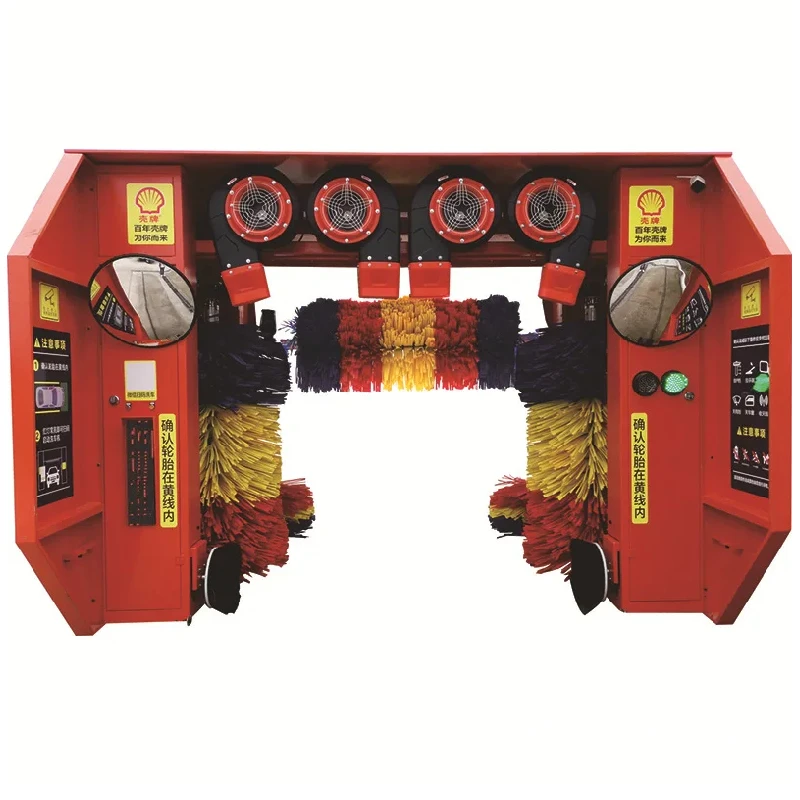
Technical Advantages and Performance Metrics
The advantages of modern automatic car wash equipment extend beyond mere cleaning, encompassing operational efficiency, resource conservation, and superior results.
- Energy Saving: Advanced motor control systems (e.g., Variable Frequency Drives - VFDs) optimize power consumption for pumps and blowers, reducing overall electricity usage by up to 20-30% compared to older models. High-efficiency drying fans minimize energy waste.
- Corrosion Resistance: As detailed in the manufacturing process, the extensive use of stainless steel, hot-dip galvanization, and durable polymers ensures the equipment withstands harsh chemicals, high humidity, and continuous water exposure. This significantly extends the service life and reduces maintenance costs.
- Water Efficiency: Integrated water recycling systems, often featuring multi-stage filtration (sedimentation, biological, activated carbon), can reclaim up to 80-90% of wash water, drastically cutting down on fresh water consumption and effluent discharge.
- Chemical Optimization: Precision dosing pumps ensure accurate application of shampoos, waxes, and drying agents, minimizing waste and maximizing effectiveness. This also contributes to environmental protection by reducing chemical runoff.
- Superior Cleaning Quality: Articulating brushes, high-pressure jet systems, and contour-following designs ensure thorough cleaning of all vehicle surfaces, including undercarriage and wheels, delivering a consistent, streak-free finish.
- Enhanced Safety Features: Emergency stop buttons, proximity sensors, and fault detection systems are integrated to ensure operator and vehicle safety during operation.
These technical advantages directly translate into operational benefits, including reduced utility bills, lower chemical expenditures, minimized labor requirements, and a superior end-product that fosters customer loyalty.
Vendor Comparison and Customized Solutions
Selecting the right vendor for your car wash equipment is a critical decision. Beyond base specifications, factors such as brand reputation, after-sales support, and customization capabilities play a pivotal role. Leading manufacturers differentiate themselves through innovation, reliability, and comprehensive service offerings.
Comparison Table: Leading Car Wash Machine Features
| Feature | Manufacturer A (e.g., DY Car Washer) | Manufacturer B (Generic) | Manufacturer C (Generic) |
|---|---|---|---|
| Main Frame Material | SUS304 Stainless Steel / Hot-dip Galvanized | Painted Steel / Mild Galvanized | Painted Mild Steel |
| Control System | Siemens / Mitsubishi PLC, HMI | Basic PLC, Button Interface | Proprietary Basic Controller |
| Water Recycling Options | Multi-stage (Biological, Physical, Activated Carbon) | Basic Sedimentation Filter | Not Available |
| Drying Efficiency | >95% with contour-following air blades | ~80-85% with fixed blowers | ~70% with standard fans |
| Customization Level | High (size, wash programs, branding) | Medium (limited wash programs) | Low (standard models only) |
| After-Sales Support | Global network, 24/7 remote diagnostics, spare parts | Regional support, limited spare parts | Local distributor only |
Customized Solutions
For specific operational requirements, many manufacturers offer highly customized solutions. This includes:
- Dimension Adjustments: Tailoring equipment dimensions to fit existing bays or unique architectural constraints.
- Specialized Wash Programs: Developing custom wash cycles for specific vehicle types (e.g., heavy-duty truck wash, sensitive luxury vehicle wash) or environmental conditions.
- Integrated Payment Systems: Implementing various payment options, including cashless, mobile app, or RFID-based systems, compatible with existing POS infrastructure.
- Branding and Aesthetics: Customizing machine aesthetics, lighting, and branding elements to align with the client's corporate identity.
- Environmental Enhancements: Advanced water purification (e.g., reverse osmosis for spot-free rinse), enhanced chemical mixing stations, or specialized waste management systems.
These tailored approaches ensure optimal integration and maximum return on investment for businesses seeking a precise solution for their vehicle cleaning needs.
Real-World Application Case Studies
The efficacy and reliability of advanced car wash equipment are best demonstrated through practical application and customer success stories. These cases highlight the tangible benefits derived from strategic investments in quality washing solutions.
Case Study 1: High-Volume Commercial Car Wash Facility
- Client: "Sparkle & Shine" Car Wash, a regional chain with 15 locations.
- Challenge: Increase throughput, reduce water consumption, and improve wash quality across all sites, particularly for their busiest urban locations. Their older machines were prone to downtime and inefficient.
- Solution: Installed 10 new automatic gantry wet car wash equipment systems with integrated multi-stage water recycling and advanced drying technologies. Machines were connected via an IoT platform for centralized monitoring.
- Results:
- Increased average daily vehicle washes by 30% due to faster cycle times.
- Reduced fresh water consumption by an average of 85% per wash cycle, leading to significant utility bill savings.
- Improved customer satisfaction, reflected in a 15% increase in repeat business and higher online ratings.
- Maintenance costs decreased by 20% due to predictive maintenance alerts and robust build quality.
- Customer Feedback: "The new systems have revolutionized our operations. The water savings alone are immense, and our customers love the consistently spotless finish. The remote monitoring capabilities have also made management incredibly efficient." - Operations Manager, Sparkle & Shine.
Case Study 2: Automotive Dealership Fleet Maintenance
- Client: "Prestige Motors," a high-end luxury car dealership.
- Challenge: Manual car washing was time-consuming, inconsistent, and posed a risk of swirl marks on delicate paint finishes. They needed an automated system that guaranteed a perfect, scratch-free wash for premium vehicles before delivery.
- Solution: Implemented a reciprocating soft-touch brush system with specialized foam brushes, a sophisticated chemical application system for pH-neutral cleaning, and a pure RO water rinse for spot-free drying.
- Results:
- Eliminated manual washing, freeing up staff for other value-added tasks.
- Achieved consistent, showroom-ready vehicle presentation with zero swirl marks or water spots.
- Reduced average vehicle preparation time by 70%.
- Enhanced brand image and customer satisfaction for new car deliveries.
- Customer Feedback: "Our luxury vehicles demand nothing less than perfection. This car wash equipment delivers exactly that, consistently. It's an investment that pays dividends in both efficiency and customer delight." - Service Manager, Prestige Motors.
Trustworthiness: FAQ, Lead Time, Warranty, and Support
Frequently Asked Questions (FAQ)
What types of vehicles can your automatic car wash equipment handle?
Our standard automatic gantry and reciprocating machines are designed to wash a wide range of passenger vehicles, SUVs, and light commercial vans, typically up to 5.5 meters in length, 2.2 meters in width, and 2.0 meters in height. Custom solutions can be engineered for larger or specialized vehicles.
What are the typical lead times for order fulfillment?
Standard models of car wash equipment typically have a lead time of 4-6 weeks from confirmed order to factory dispatch. Customized solutions or larger multi-unit orders may require 8-12 weeks for manufacturing and assembly. Shipping transit times vary based on destination.
What warranty do you offer on your car wash equipment?
We provide a comprehensive 12-month warranty on all major components and manufacturing defects from the date of installation or 15 months from the date of shipment, whichever comes first. Extended warranty options are available upon request, covering specific wear parts and service intervals.
What kind of after-sales support and maintenance services are provided?
Our commitment extends beyond installation. We offer 24/7 technical support via phone and email, remote diagnostic services, and a global network of certified technicians for on-site assistance. We maintain a comprehensive inventory of spare parts for rapid dispatch. We also provide scheduled preventative maintenance programs and operator training to ensure optimal performance and longevity of your car wash equipment.
Lead Time & Fulfillment Details
Our robust supply chain and efficient manufacturing processes enable us to meet demanding project timelines. Upon order confirmation and receipt of initial payment, a dedicated project manager is assigned to oversee the entire fulfillment process, from production scheduling to logistics and final installation support. We provide regular updates on manufacturing progress and shipping milestones.
Warranty Commitments
Our warranty is a testament to the quality and reliability of our car wash equipment. It covers defects in materials and workmanship under normal use and service. Exclusions typically involve consumable items, damage from improper installation, misuse, or unauthorized modifications. Full warranty terms and conditions are provided with every quotation.
Customer Support Information
For any inquiries, technical assistance, or service requests, our dedicated support team is available:
- Phone: [Insert Contact Number Here] (24/7 Support)
- Email: [Insert Support Email Here]
- Online Portal: [Insert Customer Portal Link Here] (for ticket submission and knowledge base access)
- Regional Service Centers: [List regions or provide link to locations]
We are committed to building long-term partnerships through exceptional product quality and responsive, reliable support.
Conclusion
The contemporary landscape of vehicle care is defined by sophisticated car wash equipment that blends advanced engineering with ecological responsibility. From automated gantry systems to bespoke solutions for specialized fleets, the industry is continually pushing the boundaries of efficiency, sustainability, and cleaning excellence. For B2B stakeholders, the decision to invest in high-quality, technically superior car washing solutions is a strategic move that promises significant returns through operational savings, enhanced service quality, and a commitment to environmental stewardship. Understanding the manufacturing processes, technical specifications, and comprehensive support systems available is key to making an informed choice that will serve businesses reliably for years to come.
References
- Grand View Research. "Car Wash Services Market Size, Share & Trends Analysis Report." Grandviewresearch.com.
- International Organization for Standardization (ISO). "ISO 9001:2015 Quality Management Systems." Iso.org.
- National Fire Protection Association (NFPA). "NFPA 70®: National Electrical Code® (NEC®)." Nfpa.org.
- European Commission. "CE marking." European-union.europa.eu.
-
Car Wash Equipment – Durable, Efficient, Pro-Grade SystemsNewsNov.10,2025
-
automatic car washing machine price list: Fast ROI, Low CostNewsNov.10,2025
-
Car Wash Tunnel Design for High Throughput, ROI & UptimeNewsNov.10,2025
-
Car Wash Tunnel Design | High Throughput & Low MaintenanceNewsNov.10,2025
-
Automatic Car Washing Machine Price List - Fast ROINewsNov.10,2025
-
Car Wash Tunnel Design: High Throughput, Custom & DurableNewsOct.27,2025