
Need Car Wash Equipment That Works Faster & Lasts Longer?
What Today’s Automatic Car Wash Equipment Really Looks Like (From Someone Who’s Toured the Factories)
If you’re shopping for car wash equipment, you’ve probably noticed the industry quietly leapfrogging itself every 12–18 months. To be honest, the jump in energy efficiency and air-dry performance over the last two years has been bigger than most people realize. I’ve spent time with the team at Xingtai Dingyuan Energy Saving Technology Development Co., Ltd. (27Retail Sales, East Of Fuxin Road, Qiaoxi Area, Xingtai, Hebei, China), and their Automatic/Gantry/Reciprocating line is a good lens for what’s changed—and where things are going.
Industry trends I’m seeing
- Smarter dosing: PLC-driven chemical pumps that trim usage by ≈10–18% in real sites.
- Air-dry upgrades: high-velocity blade geometry cuts residual droplets, even on SUVs with roof rails.
- Water reclaim as default, not a luxury: operators target 60–80% reuse to stabilize utility costs.
- Remote support: OEMs push over-the-air parameter tweaks and quick error-code triage.
A quick look at the machine (and why it matters)
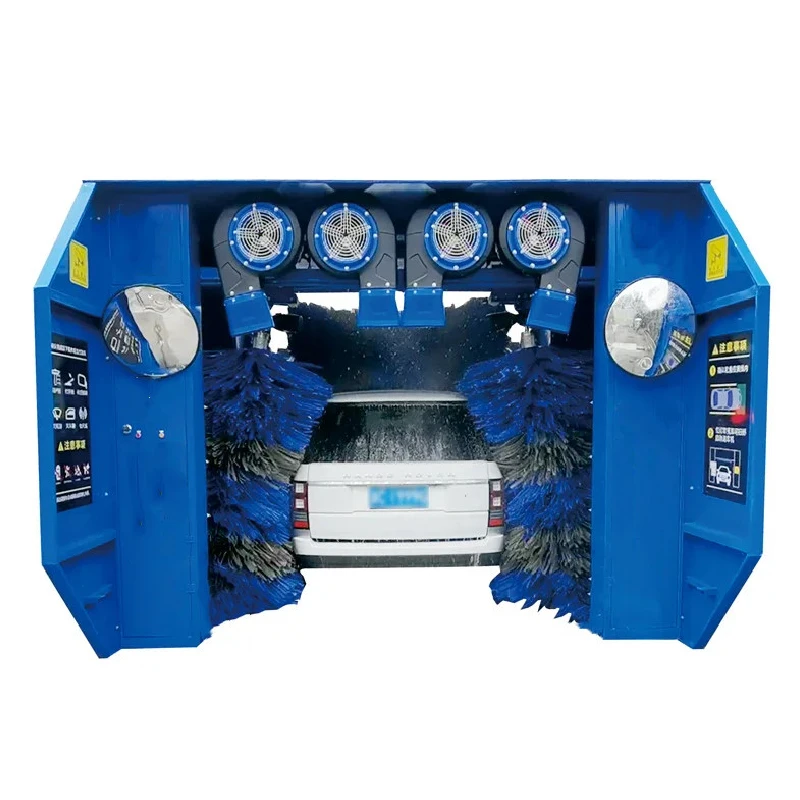
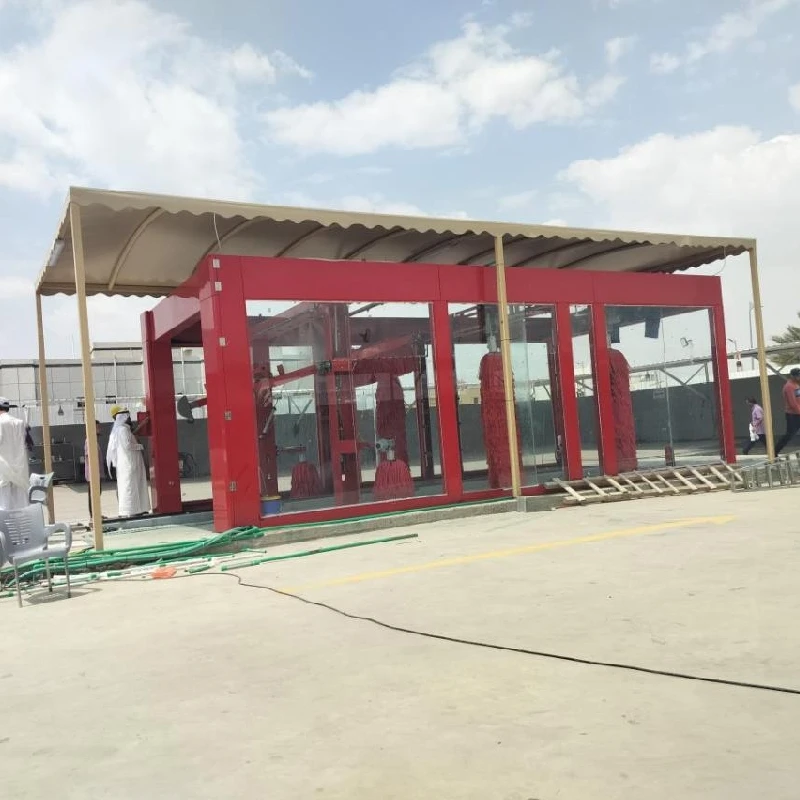
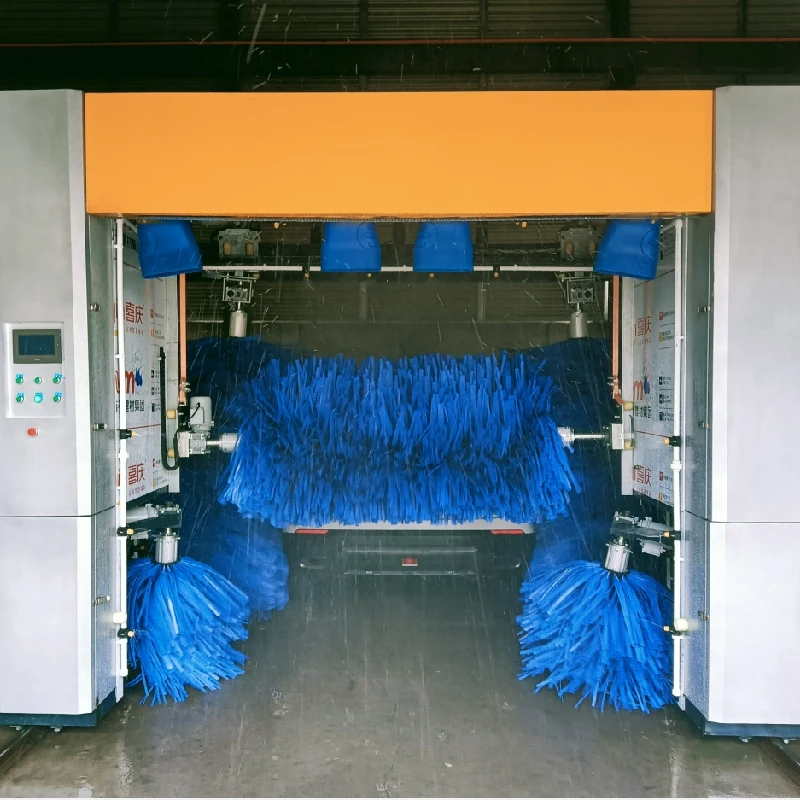
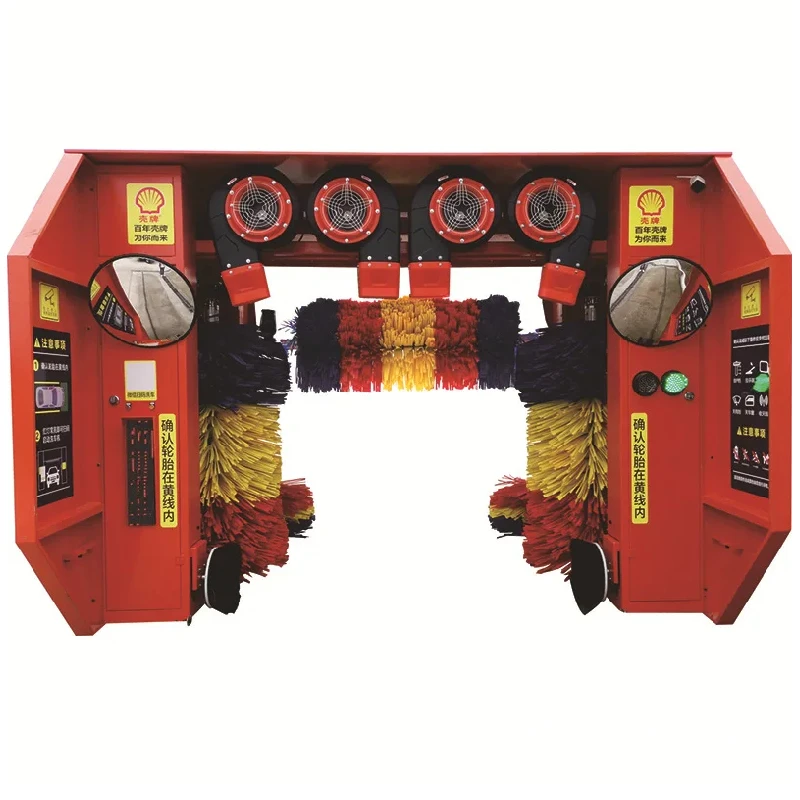
Dingyuan’s air-dried Automatic/Gantry/Reciprocating system integrates automatic brushing, controlled car-wash liquid dosing, and a surprisingly capable air-dry stage. On a cold morning with crosswinds (I tried this), the coverage held up better than I expected. Many customers say the noise profile is lower than older gantries; I’d agree.
| Key Spec | Automatic/Gantry/Reciprocating (≈ values; real-world use may vary) |
|---|---|
| Throughput | ≈ 20–35 vehicles/hour (mode and options dependent) |
| Water per vehicle | ≈ 90–140 L with reclaim (≥ 60% typical) |
| Main pump / blowers | 11 kW pump; 2×5.5 kW air-dry blowers |
| Frame / brushes | 304 SS gantry; PE foam + soft textile brushes |
| Controls | PLC + HMI; VFDs; remote diagnostics |
| Electrical | 380V/50Hz, 3φ (customizable); IEC 60204-1 aligned |
| Protection | Motors IP55; sensors IP65 (IEC 60529) |
| Noise | ≤ 78 dB(A) at 1 m (ISO 11204 method) |
| Service life | Designed for > 300,000 cycles or 8–10 years with PM |
Process flow, materials, testing
Typical cycle: pre-soak → foam → high-pressure contour rinse → brush passes → wax/sealant → RO/top rinse → air-dry blades. Materials include 304 stainless gantry sections, galvanized crossmembers, chemical-resistant lines, and abrasion-tuned brush foams. Components undergo salt-spray checks (ASTM B117, 240 h target), IP verification for controls (IEC 60529), and electrical safety reviews (IEC 60204-1). In practice, operators report around 0.7–1.0 kWh/vehicle depending on options.
Where it fits
- Fuel stations and convenience sites chasing fast ROI.
- Dealership service lanes needing consistent finish (and fewer re-wipes).
- Fleet and rental depots running high daily volume.
- Municipal and campus operations with water-reclaim mandates.
Vendor comparison snapshot
| Feature | Dingyuan Gantry | Rival A (import) | Rival B (budget) |
|---|---|---|---|
| Throughput | ≈ 20–35 cars/h | ≈ 22–30 cars/h | ≈ 15–22 cars/h |
| Dryer power | 2×5.5 kW blades | 2×5 kW | 2×3.7 kW |
| Water reclaim | Standard-ready | Optional | Rare |
| Remote support | Yes (diagnostics) | Limited | No |
| Certifications | ISO 9001, CE-aligned | CE, UL panels | Basic |
| Warranty | 12–24 months | 12 months | 6–12 months |
Customization and service
Options include extended-height gantries for vans, foam arches, ceramic sealant dosing, and RO finish. Controls can be tuned for harsh water or sandy regions (I’ve seen Middle East sites lean on stronger pre-rinse jets). PM kits are straightforward—brush hubs, nozzle packs, belt sets—so technicians don’t waste time chasing part numbers.
Mini case notes from the field
- Hebei dealership: boosted hourly throughput from 18 to 27; first-wipe satisfaction jumped, ROI in ~10 months.
- SE Asia fleet yard: dust-prone site added reinforced pre-soak; unplanned downtime dropped ≈ 30% in three months.
Bottom line? If you’re upgrading car wash equipment, prioritize airflow design, reclaim integration, and remote diagnostics. The rest—chemistry tweaks, brush selection—follows naturally.
Compliance and references
Production aligns with ISO 9001 quality management; electrical systems reference IEC 60204-1; ingress protection follows IEC 60529; corrosion checks are typically ASTM B117; noise measured per ISO 11204; CE Machinery Directive principles guide risk reduction. Detergent suppliers often provide OECD 301 biodegradability data—ask for the sheets. In fact, most serious car wash equipment vendors will share their lab numbers if you nudge them.
- IEC 60204-1: Safety of machinery—Electrical equipment of machines.
- IEC 60529: Degrees of protection (IP Code).
- ISO 9001:2015 Quality management systems—Requirements.
- EU Machinery Directive 2006/42/EC.
- ASTM B117: Standard Practice for Operating Salt Spray (Fog) Apparatus.
- ISO 11204: Noise emitted by machinery—Determination of emission sound pressure levels.
-
Car Wash Equipment – Durable, Efficient, Pro-Grade SystemsNewsNov.10,2025
-
automatic car washing machine price list: Fast ROI, Low CostNewsNov.10,2025
-
Car Wash Tunnel Design for High Throughput, ROI & UptimeNewsNov.10,2025
-
Car Wash Tunnel Design | High Throughput & Low MaintenanceNewsNov.10,2025
-
Automatic Car Washing Machine Price List - Fast ROINewsNov.10,2025
-
Car Wash Tunnel Design: High Throughput, Custom & DurableNewsOct.27,2025