
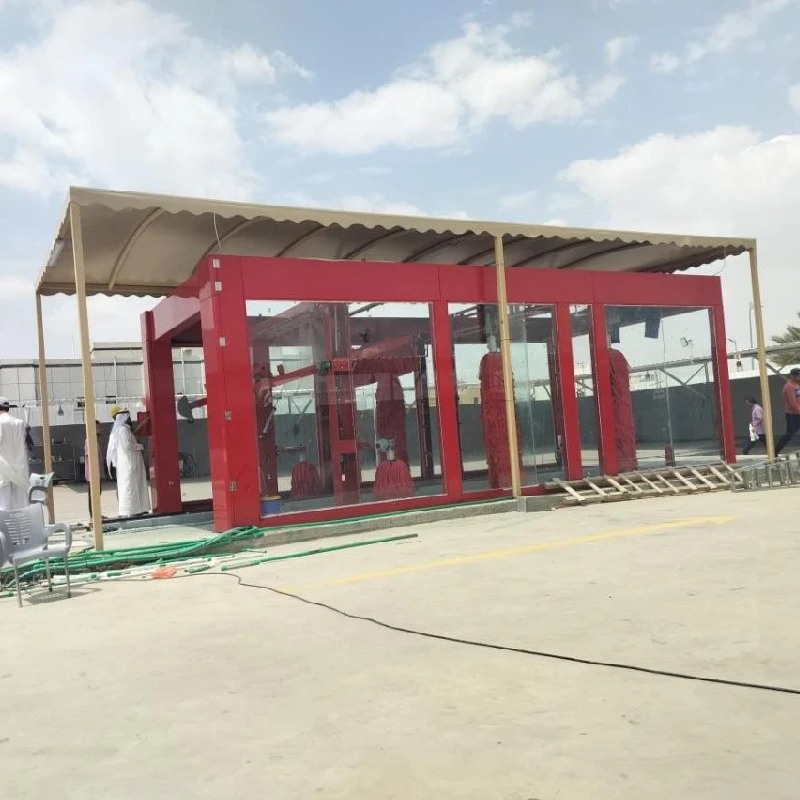
Advanced Vehicle Wash Systems for the Swedish Market

Engineering sustainable and high-efficiency cleaning solutions tailored for Sweden's harsh winter climates and strict environmental regulations.

Advanced Vehicle Wash Systems for the Swedish Market

Providing industrial-grade washing technology that combines Swedish ecological standards with high-performance cleaning power.

Eco-Industrial Cleaning Landscape in Sweden

Analyzing the intersection of automotive hygiene and Swedish environmental mandates.

In Sweden, the automotive cleaning industry is heavily influenced by the extreme seasonal variance. During winter, the widespread use of road salt and grit creates a critical need for a heavy-duty car chassis washer to prevent underbody corrosion and extend vehicle lifespan in the Nordic climate.

The Swedish market is characterized by an aggressive transition toward "Green Cities," where water recycling and chemical biodegradability are not just preferences but legal requirements. This has pushed the demand for specialized car clean shampoo formulations that are phosphate-free and compatible with sensitive local wastewater treatment systems.

Furthermore, the rise of electric vehicles (EVs) in Sweden has shifted the focus toward non-contact or soft-touch technologies. Modern facilities are upgrading to a precision car cleaning jet washer to ensure high-pressure efficiency without damaging the complex sensors integrated into modern automotive designs.

Evolution of Vehicle Cleaning Technology

From manual scrubbing to automated, eco-conscious industrial systems.

Market Development History

Until the late 1990s, vehicle washing in Sweden relied heavily on manual labor and basic high-pressure pumps. The primary goal was simple debris removal, with little regard for water recovery or chemical runoff, leading to significant environmental strain in urban areas.

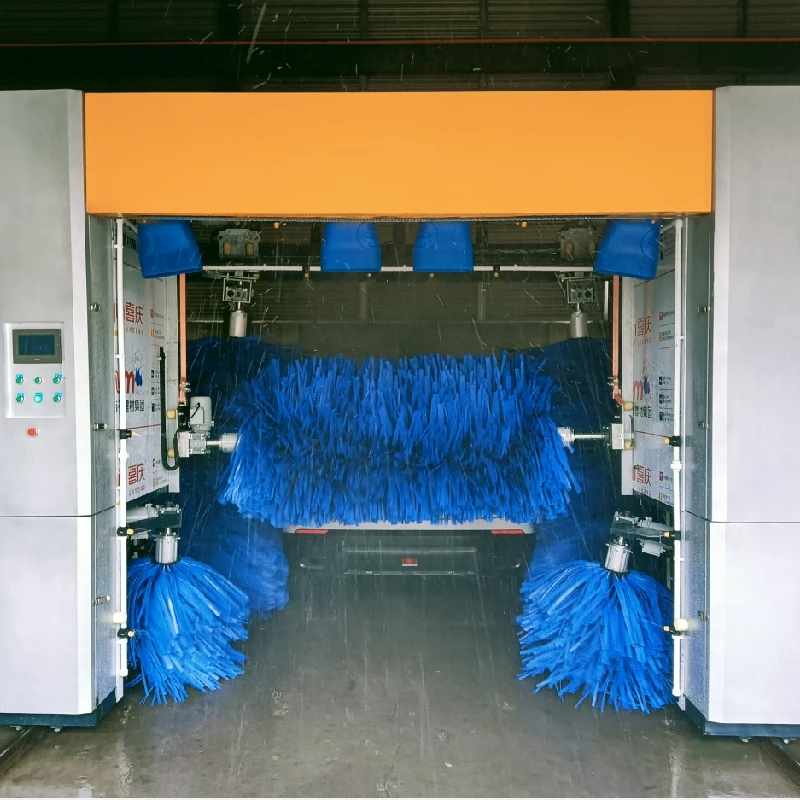
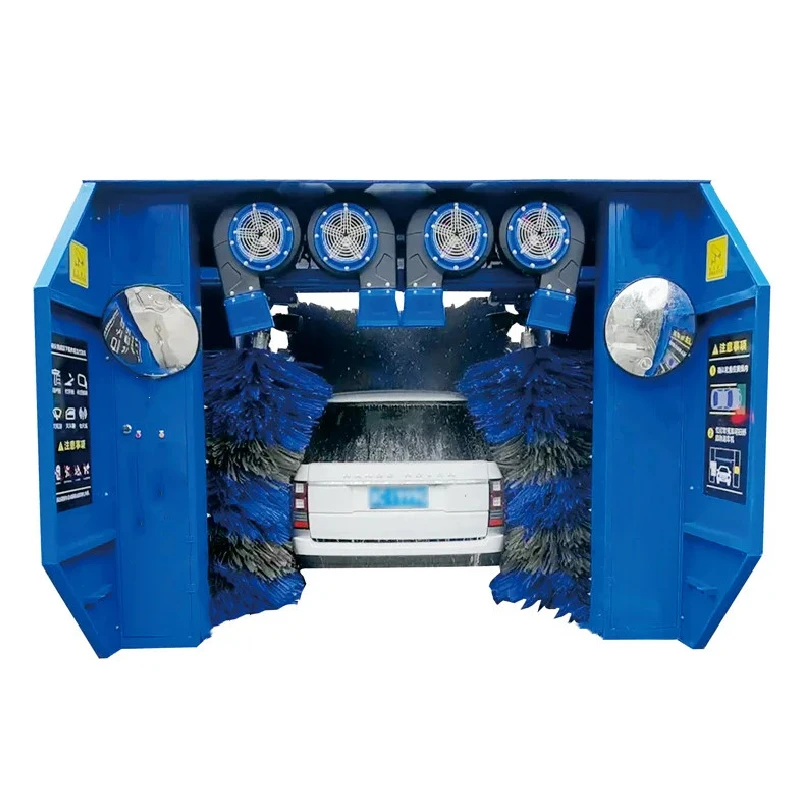
Between 2000 and 2015, the industry saw the introduction of the first automated car brush washer systems. These machines introduced standardized cleaning cycles, though they initially struggled with the high viscosity of winter sludge and the abrasive nature of Swedish road salt.

From 2016 to the present, the focus has shifted toward "Smart Washing." The integration of IoT, variable frequency drives (VFD), and advanced filtration has transformed the sector into a specialized branch of environmental protection equipment manufacturing.

Future Development Trends

Closed-Loop Water Recovery

Future systems will implement 95% water recycling rates, utilizing membrane filtration to ensure that the water used in a car cleaning jet washer is purified and reused indefinitely.

AI-Driven Contamination Sensing

Integration of optical sensors to detect dirt levels in real-time, automatically adjusting the volume of car clean shampoo to minimize chemical waste.

Ultra-Low Energy Heating

Development of heat pump integrated systems to provide warm wash water during Swedish winters without relying on carbon-intensive electric heaters.

Industry Trends and Future Outlook

Strategic directions for high-end vehicle cleaning infrastructure.

Zero-Emission Washing
Moving toward fully carbon-neutral operations powered by Sweden's renewable energy grid.
Biodegradable Chemistry
Development of plant-based detergents that dissolve completely without harming Nordic aquatic life.
Modular Scaling
Quick-deploy washing modules that can be scaled based on regional traffic density in Swedish cities.
Predictive Maintenance
IoT sensors that predict component failure in pumps and brushes before they occur.

Industry Outlook

The trajectory of the Swedish market suggests a total convergence of "Vehicle Care" and "Environmental Protection." Google search trends indicate a 40% increase in queries related to "water-saving car wash" and "eco-friendly chassis cleaning," reflecting a deep societal shift toward sustainability.

As Swedish cities implement stricter zones for emissions and runoff, the demand for integrated Vehicle Wash Systems that include built-in oil separators and pH neutralizers will become the industry standard for all commercial operators.

Local Application Scenarios in Sweden

Real-world deployments across diverse Swedish operational environments.

1. Stockholm Urban Transit Hubs

Deployment of high-throughput Vehicle Wash Systems for municipal fleets, focusing on rapid turnaround and minimal water waste in densely populated city centers.

2. Northern Kiruna Mining Fleets

Utilization of reinforced car chassis washer units designed to remove heavy industrial sludge and ore residue in sub-zero temperatures.

3. Gothenburg Logistics Centers

Implementation of automated car brush washer lines for heavy-duty trucks, ensuring aerodynamic efficiency and cleanliness for long-haul logistics.

4. Malmö Eco-Friendly Car Parks

Installation of compact, low-noise car cleaning jet washer stations that utilize 100% biodegradable car clean shampoo.

5. Swedish Military Vehicle Depots

Heavy-duty specialized washing bays for armored vehicles, emphasizing deep underbody cleaning to prevent salt-induced corrosion of critical chassis components.

Brand Story

Global Development History of Xingtai Dingyuan Energy Saving Technology Co., Ltd.

Founding Vision

Established with a core mission to revolutionize industrial washing through energy-saving technologies and water recovery systems.

Technical Breakthroughs

Developed patented high-pressure nozzle arrays that reduce water consumption by 30% while increasing cleaning impact.

Global Expansion

Successfully entered the European market, adapting equipment to meet the stringent EU environmental and safety certifications.

Swedish Partnership

Collaborated with Nordic ecological experts to engineer washing systems specifically for extreme cold and road-salt environments.

Future Commitment

Committing to a "Zero Waste" manufacturing process and the development of AI-integrated autonomous washing systems.

Frequently Asked Questions in Sweden

Expert answers to common technical and regulatory queries.

How does a car chassis washer handle Swedish winter road salt?

Our chassis washers use high-impact, heated water jets and specialized chemical surfactants to neutralize and dissolve sodium chloride and calcium chloride crystals effectively.

Are your Vehicle Wash Systems compliant with Swedish water recycling laws?

Yes, our systems feature integrated filtration and oil-water separation units that meet the strict environmental standards set by Swedish municipal authorities.

Can the car brush washer be used on electric vehicles without damage?

We utilize soft-touch, high-density polymers in our brushes and precision pressure control to ensure zero scratches on EV paintwork and sensor housings.

Which car clean shampoo is best for eco-certified Swedish car washes?

We recommend our phosphate-free, pH-neutral biodegradable series, which provides superior foam and cleaning power while being 100% safe for aquatic environments.

Does the car cleaning jet washer support high-pressure heating for frost removal?

Yes, our jet washers come with optional industrial heat exchangers that can maintain water temperatures up to 80°C for efficient ice and frost removal.

What is the maintenance interval for automated wash systems in Nordic climates?

Due to the abrasive nature of winter road debris, we recommend a comprehensive check of nozzles and seals every 3 months, with a full system calibration annually.

Ready to Upgrade Your Washing Infrastructure?

Contact our expert engineers today for a customized solution designed specifically for the environmental and climatic demands of Sweden.

Contact Us Now

If you are interested in our products, you can choose to leave your information here, and we will be in touch with you shortly.