
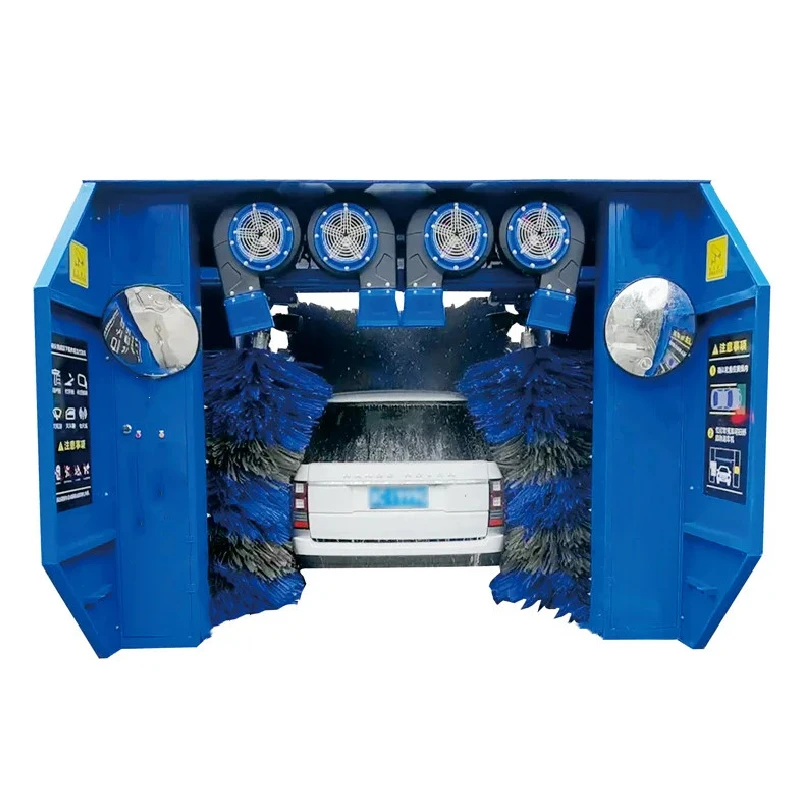
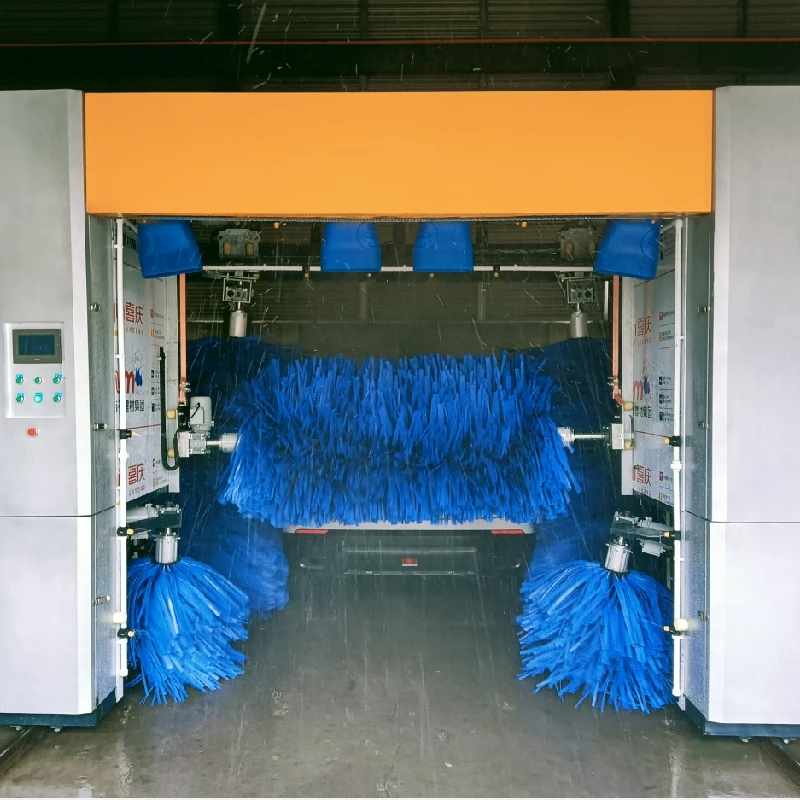
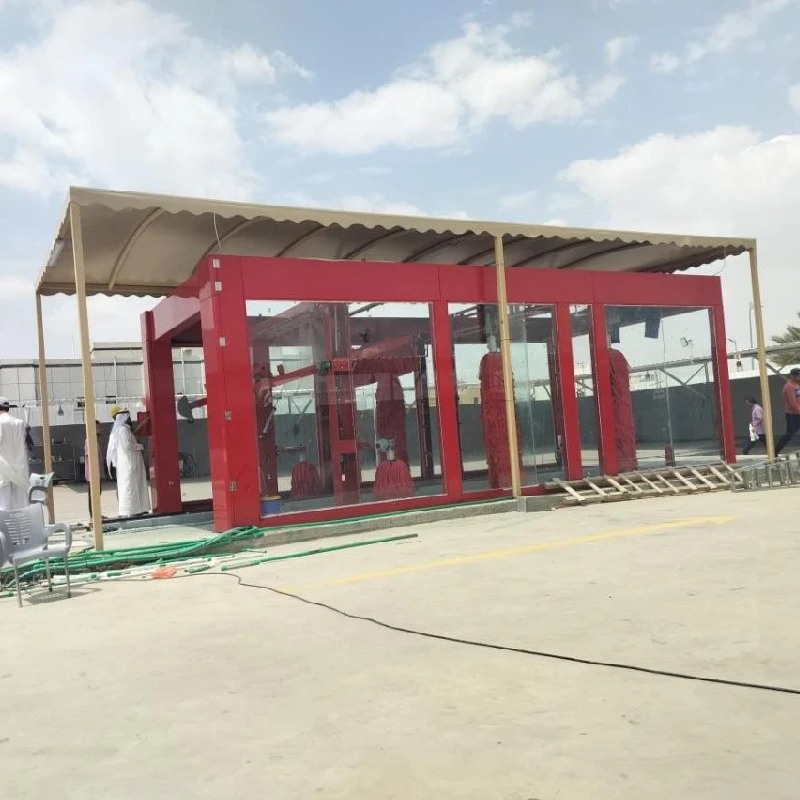
Advanced Vehicle Wash Systems for the Japanese Market

Integrating high-precision environmental protection technology to meet Japan's stringent water recycling and efficiency standards.

Advanced Vehicle Wash Systems for the Japanese Market

Our comprehensive suite of automated washing equipment combines Japanese reliability with cutting-edge eco-friendly engineering to minimize waste and maximize cleanliness.

The Current Landscape of Vehicle Care in Japan

Adapting to urban density and strict environmental regulations in Asia - Japan.

In Japan, the vehicle care industry is heavily influenced by limited urban space and a cultural obsession with precision. The high density of vehicles in cities like Tokyo and Osaka demands compact yet powerful car cleaning jet washer units that can operate with minimal noise pollution to comply with local zoning laws.

Furthermore, Japan's strict environmental laws regarding wastewater discharge mean that modern facilities must prioritize water reclamation. The adoption of high-efficiency car chassis washer systems has increased, as they allow for targeted cleaning that reduces overall water consumption while effectively removing road salt during winter months in northern regions.

The market currently sees a shift toward "touchless" and "hybrid" models. While the traditional car brush washer remains popular for its thoroughness, there is a growing demand for specialized chemicals and car clean shampoo formulations that are biodegradable and safe for the delicate paint finishes common on Japanese luxury vehicles.

Evolution of Environmental Washing Technology

From manual labor to AI-driven eco-systems.

Market Development History

During the 1980s and 1990s, the Japanese market relied heavily on manual washing and basic mechanical rollers. The primary focus was on speed and throughput, with little regard for water recycling or chemical runoff.

By the mid-2000s, the industry entered a "Precision Era." Manufacturers began integrating PLC controllers into Vehicle Wash Systems, allowing for adjustable pressure and synchronized brush movements to prevent surface scratching.

From 2015 to the present, the focus has shifted entirely toward "Green Manufacturing." The integration of closed-loop water filtration and the use of concentrated, eco-friendly car clean shampoo have become industry standards to meet Japan's carbon neutrality goals.

Future Development Trends

AI-Driven Surface Detection

Future systems will utilize LiDAR and AI to scan vehicle contours in real-time, optimizing the movement of the car brush washer to reduce friction and water waste.

Zero-Liquid Discharge (ZLD)

The next iteration of car chassis washer units will integrate ZLD technology, ensuring that 99% of water is recycled within the system, eliminating wastewater output.

IoT-Enabled Chemical Dosing

Smart dosing systems will automatically adjust the concentration of cleaning agents based on the soil level of the vehicle, ensuring maximum efficiency and minimum chemical use.

Future Trends & Strategic Outlook

Anticipating the next decade of sustainable automotive cleaning.

Water Circularity 2.0
Implementing advanced membrane filtration to achieve near-zero water consumption in urban Japan.
Energy-Efficient Motors
Integration of IE4 super-premium efficiency motors to reduce the electrical footprint of heavy-duty washers.
Smart Chemical Integration
Automated sensors that adjust car clean shampoo levels based on real-time dirt analysis.
Modular System Design
Rapidly deployable modules that allow facility owners to upgrade components without full system replacement.

Industry Outlook

Google search trends in Asia - Japan indicate a significant rise in queries related to "sustainable car wash" and "water-saving automotive tech." This suggests that the market is moving away from purely mechanical solutions toward integrated environmental systems.

Over the next 3-5 years, we expect the convergence of IoT and environmental engineering to redefine the industry, turning the traditional car wash into a data-driven, zero-emission utility hub.

Localized Application Scenarios in Japan

Real-world implementations tailored to Japanese operational needs.

01. Tokyo Urban Compact Hubs

Implementing space-saving Vehicle Wash Systems in multi-story parking garages where footprint is minimal but throughput must be high.

02. Hokkaido Winter Road Maintenance

Deployment of heavy-duty car chassis washer systems specifically designed to remove salt and brine from vehicle undercarriages to prevent corrosion.

03. Kyoto Eco-Tourism Fleets

Utilizing low-noise car cleaning jet washer units for electric taxi fleets, focusing on water conservation to protect local heritage sites.

04. Nagoya Automotive Logistics Centers

High-capacity car brush washer lines for logistics trucks, ensuring rapid turnaround times for commercial transport.

05. Osaka Premium Detailing Centers

Integrating high-precision dosing systems for premium car clean shampoo to serve the luxury vehicle market with a focus on paint protection.

Brand Story

Global Development Journey of Xingtai Dingyuan Energy Saving Technology Development Co., Ltd.

The Foundation of Efficiency

Established with a vision to merge energy saving with industrial cleaning, we started by solving the problem of excessive water waste in heavy manufacturing.

Technological Breakthroughs

Developed proprietary filtration and nozzle technologies that reduced water consumption by 40% compared to industry standards.

Entering the Global Stage

Expanded into Asia - Japan, adapting our equipment to meet some of the strictest environmental standards in the world.

Commitment to Sustainability

Launched a series of carbon-neutral washing solutions, focusing on the synergy between hardware and biodegradable chemistry.

Vision for 2030

Striving to lead the global transition toward zero-waste vehicle care through AI integration and circular economy principles.

Frequently Asked Questions in Japan

Expert answers to common technical and environmental queries.

How does a car chassis washer handle salt removal in snowy regions?

Our systems utilize high-pressure jetting and specific temperature controls to dissolve and flush out road salt from the underbody, preventing long-term corrosion of the vehicle frame.

Are Vehicle Wash Systems compatible with Japan's water recycling laws?

Yes, our systems include built-in oil-water separators and filtration units that ensure discharged water meets or exceeds local environmental regulations.

What is the best car clean shampoo for touchless washing?

We recommend high-pH alkaline shampoos with advanced surfactants that encapsulate dirt particles, allowing them to be rinsed away without the need for physical brushing.

Can a car brush washer be used on luxury car paint?

Our brushes are made from high-density soft foam and PE materials that minimize friction, ensuring a swirl-free finish even on sensitive luxury coatings.

How often should a car cleaning jet washer be serviced?

For high-volume Japanese operations, we recommend a quarterly check of the pumps and nozzle calibration to maintain optimal water pressure and efficiency.

What are the power requirements for industrial Vehicle Wash Systems?

Our systems are customizable to Japan's 100V/200V standards, utilizing variable frequency drives (VFDs) to optimize power draw during different wash cycles.

Ready to Upgrade Your Facility?

Contact our experts for a tailored environmental washing solution designed specifically for the market in Japan.

Contact Us Now

If you are interested in our products, you can choose to leave your information here, and we will be in touch with you shortly.