
Advanced Vehicle Wash Systems for Libya's Arid Environment

Providing high-efficiency, water-saving cleaning solutions engineered to combat desert sand and saline corrosion across Libya.

Advanced Vehicle Wash Systems for Libya's Arid Environment

Our specialized Vehicle Wash Systems are designed to optimize water usage while delivering industrial-grade cleaning power for the Libyan transport sector.

The State of Vehicle Maintenance in Libya

Addressing the challenges of sand accumulation and water scarcity in North Africa.

In Libya, the combination of extreme Saharan heat and frequent sandstorms creates a harsh environment for vehicles. Fine particulate matter penetrates deep into chassis components, necessitating the use of a powerful car chassis washer to prevent premature rust and mechanical failure caused by abrasive grit.

Water scarcity is a critical operational constraint in Libyan cities like Tripoli and Benghazi. Traditional washing methods are no longer sustainable, driving the demand for closed-loop Vehicle Wash Systems that integrate water recycling and filtration to reduce waste while maintaining high throughput.

Moreover, the high salinity of coastal air in Libya's Mediterranean regions accelerates the oxidation of vehicle frames. This requires specialized car clean shampoo formulations that provide a protective alkaline barrier against salt corrosion while effectively lifting stubborn desert dust.

Evolution of Cleaning Technology in Libya

From manual labor to automated environmental protection equipment.

Market Development History

Until the early 2000s, vehicle cleaning in Libya relied almost exclusively on manual labor and high-pressure hoses. This era was characterized by massive water wastage and inconsistent cleaning quality, particularly regarding the undercarriage.

Between 2010 and 2020, the market transitioned toward semi-automation. The introduction of the first car cleaning jet washer units allowed for faster turnover, though energy efficiency remained low and environmental regulations were rarely enforced.

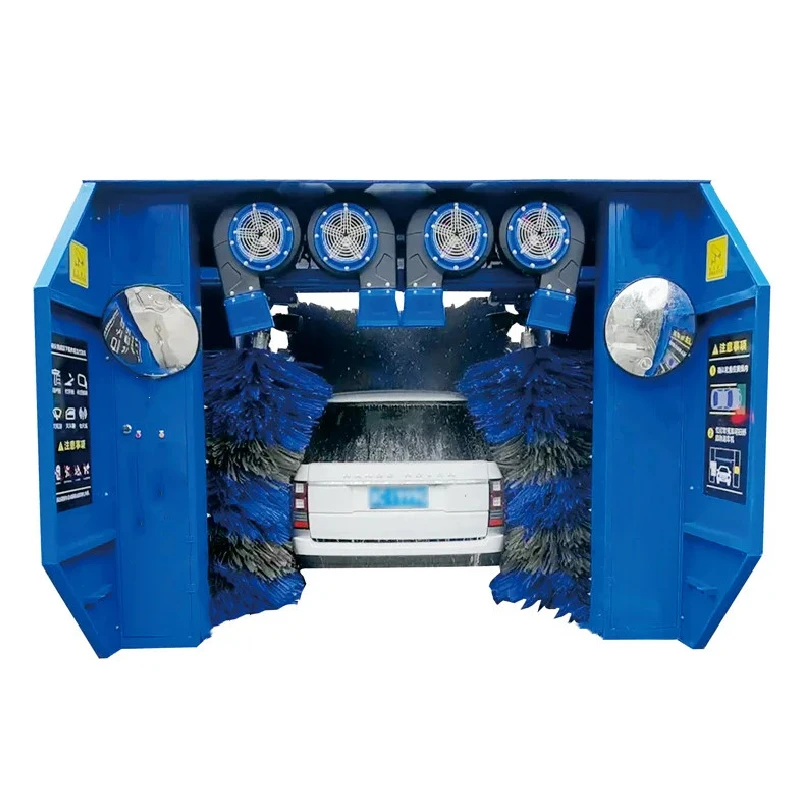
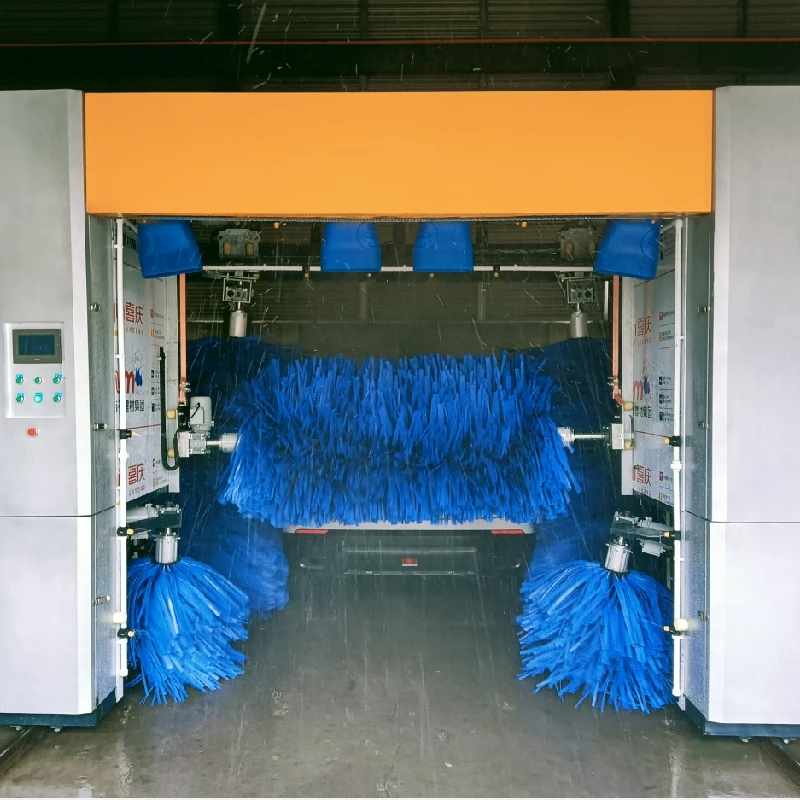
Since 2021, there has been a strategic shift toward "Green Manufacturing." Modern facilities now implement fully automated car brush washer systems that synchronize brush pressure with vehicle contours to prevent paint damage while maximizing debris removal.

Future Development Trends

AI-Driven Water Management

Integration of sensors to detect soil levels, adjusting the flow of car clean shampoo and water in real-time to minimize resource consumption.

Advanced Filtration Materials

Developing nano-filtration systems specifically for Libyan sand, ensuring that recycled water does not contain abrasive particles that could scratch vehicle surfaces.

Solar-Powered Washing Hubs

Leveraging Libya's vast solar potential to power the high-voltage pumps of Vehicle Wash Systems, reducing operational costs and carbon footprints.

Future Trends & Strategic Outlook

Pioneering sustainable cleaning technology for the Libyan industrial landscape.

Zero-Liquid Discharge (ZLD)
Implementing ZLD systems to ensure that no wastewater leaves the facility, crucial for Libya's arid regions.
Smart Chemical Dosing
Precision delivery of car clean shampoo based on vehicle size and contamination level.
Anti-Corrosive Engineering
Using high-grade stainless steel and specialized coatings to withstand the saline air of the Libyan coast.
Modular Scalability
Designing systems that can expand from a single car cleaning jet washer to a full complex.

Industry Outlook

Google search trends indicate a rising interest in "Eco-friendly car wash Libya" and "Water recycling systems." This suggests that the Libyan market is shifting from a cost-only focus to a value-and-sustainability focus, aligning with global E-E-A-T standards for environmental responsibility.

We predict that within 3-5 years, the integration of IoT for remote monitoring of Vehicle Wash Systems will become standard, allowing operators to monitor water levels and chemical consumption across multiple Libyan cities from a single dashboard.

Localized Application Scenarios in Libya

Tailored solutions for the diverse transport needs of the Libyan territory.

01. Tripoli Urban Logistics Hubs

High-volume fleets requiring rapid turnover. Implementation of automated car brush washer systems to ensure commercial vans are cleaned and ready for city delivery within minutes.

02. Benghazi Coastal Fleet Maintenance

Focus on salt removal. Using high-pressure car cleaning jet washer units combined with salt-neutralizing agents to protect vehicle paint from Mediterranean sea spray.

03. Oil & Gas Transport in the Sirte Basin

Heavy-duty cleaning. Utilization of industrial-grade car chassis washer equipment to remove thick oil sludge and desert mud from heavy transport trucks.

04. Sahara Cross-Border Transit Points

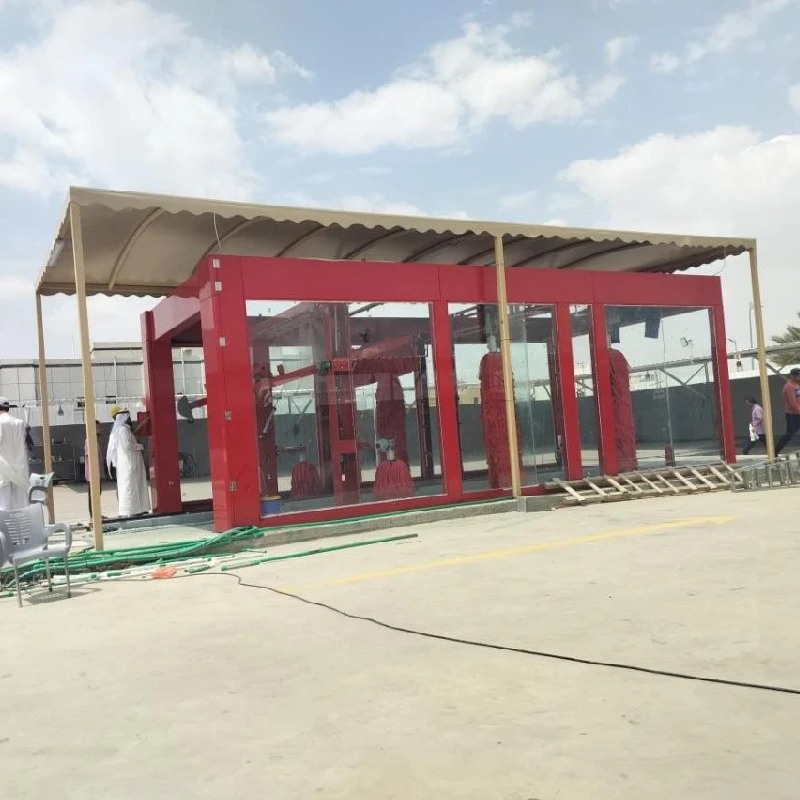
Dust mitigation. Deployment of modular Vehicle Wash Systems at border crossings to remove abrasive sand before vehicles enter urban zones.

05. Luxury Vehicle Detailing in Misrata

Precision cleaning. Integration of pH-balanced car clean shampoo and soft-touch brushes for high-end imports, ensuring a scratch-free finish.

Brand Story

Global Development Journey of Xingtai Dingyuan Energy Saving Technology Development Co., Ltd.

Founding Vision

Established with the mission to revolutionize the vehicle cleaning industry by integrating energy-saving technologies and environmental protection equipment.

Technical Breakthrough

Pioneered the development of high-efficiency water reclamation systems, reducing water waste by up to 80% in industrial washing applications.

Market Expansion

Expanded from domestic leadership to global export, specializing in custom solutions for arid regions like North Africa and the Middle East.

Quality Certification

Achieved international standards for durability and efficiency, ensuring our equipment withstands extreme temperatures and harsh chemicals.

Future Commitment

Dedicated to helping the global automotive sector transition to a sustainable, zero-waste cleaning future through continuous innovation.

Comprehensive Vehicle Wash Portfolio for Libya

A complete range of equipment designed to maximize cleanliness while minimizing environmental impact.

Common Questions from Our Libyan Partners

Expert answers to the most frequent technical and operational queries.

How does a car chassis washer handle heavy Saharan sand?

Our systems use high-pressure pulsating jets that break the bond between the sand and the metal, followed by a sediment trap that prevents sand from recirculating in the water system.

Is the car brush washer safe for luxury car paint?

Yes, we use high-density soft PE filaments and frequency-controlled motors that adjust the brush pressure to ensure no swirl marks are left on the paint.

What makes your Vehicle Wash Systems water-efficient?

Our systems integrate an advanced multi-stage filtration and reverse osmosis unit, allowing up to 90% of the water to be recovered and reused for subsequent washes.

Can I customize the car clean shampoo for hard water?

Absolutely. We provide specialized chelating agents in our shampoos that neutralize calcium and magnesium ions found in Libya's hard water to prevent spotting.

What is the maintenance cycle for a car cleaning jet washer?

Given the sandy environment, we recommend a weekly check of the intake filters and a monthly lubrication of the pump seals to ensure peak performance.

Do these systems require special electrical infrastructure in Libya?

Our equipment is designed with wide-voltage tolerance and optional surge protection to handle local power fluctuations common in various Libyan industrial zones.

Ready to Upgrade Your Cleaning Infrastructure?

Contact our engineering team today for a customized technical proposal tailored to the specific environmental needs of Libya.

Contact Us Now

If you are interested in our products, you can choose to leave your information here, and we will be in touch with you shortly.