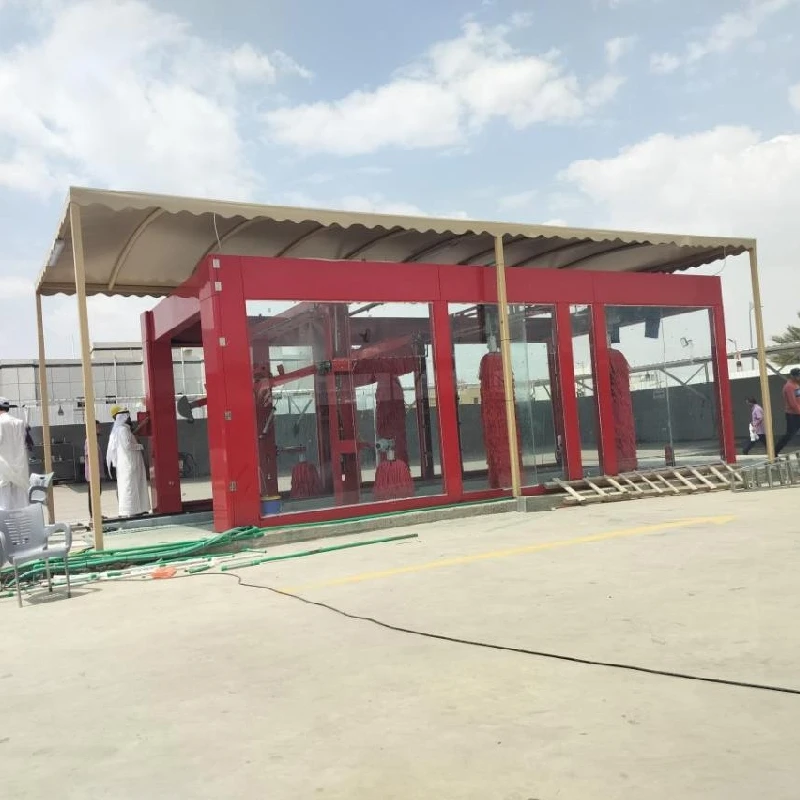
Efficient Automatic Car Bike Washing Machine Price and ROI Guide
Selecting an efficient vehicle cleaning system requires a balance between automation, throughput, and operational cost. For commercial operators and fleet managers, the integration of high-pressure washing, intelligent brushing, and rapid air drying into a single reciprocating unit significantly reduces labor overhead while ensuring consistent surface protection. Modern automated systems, such as those developed by Xingtai Dingyuan, utilize PLC-driven sensing technology to adapt to the unique dimensions of each vehicle, from compact cars to larger SUVs.
When evaluating the car bike washing machine price and overall ROI, it is crucial to look beyond the initial capital expenditure. The true value lies in water efficiency, power consumption, and the longevity of the mechanical components. By employing advanced waterproof motors and galvanized structures, these machines are engineered to withstand harsh environment conditions while maintaining a high volume of vehicle turnover per hour, making them a strategic asset for any professional cleaning business.

Advanced PLC Control and Intelligent Vehicle Profiling Systems
The core of a high-performance automatic washer is its ability to recognize and adapt to the vehicle's geometry in real-time. The DY-QC-5 model employs a sophisticated PLC (Programmable Logic Controller) system that manages the entire cleaning cycle. Through a network of photoelectric and proximity sensors, the machine automatically detects the length, width, and height of the vehicle. This ensures that the brushes maintain an optimal distance from the bodywork, providing a deep clean without risking surface damage.
Operational control is streamlined through a 7-inch true-color electronic touch screen, supporting both English and Chinese interfaces. This human-machine dialogue system allows operators to switch seamlessly between automatic, manual, and remote control modes. Furthermore, the system includes a built-in fault detection and alarm mechanism, which identifies technical issues instantly and displays troubleshooting steps on the screen, minimizing unplanned downtime and ensuring a steady workflow.
- Dynamic Sensing: Automatic brush adjustment based on vehicle contour.
- Multi-Mode Operation: Support for remote, manual, and fully automated cycles.
- Safety Integration: Anti-collision connection systems and photoelectric detection.
- Performance Tracking: Integrated car washing counting system for business analytics.

Mechanical Engineering and High-Efficiency Drying Architecture
Durability in professional washing equipment is achieved through the selection of industrial-grade materials and precision components. The structural frame is constructed from galvanized pipe, which provides essential corrosion resistance in wet environments. The cleaning process is executed by a strategic array of brushes: a variable-frequency top brush for the roof, two side vertical brushes for the body, and specialized group brushes that utilize cylinders to clean wheel hubs and tires effectively.
To eliminate the need for manual towel drying, the system integrates four high-power 4kW fans. This air-drying array creates a high-velocity airflow that removes water quickly, preventing spot formation and increasing the speed of vehicle turnover. The mechanical transmission is reinforced with specially thickened bearings and precision chains, reducing vibration and mechanical wear during the reciprocating motion.
Water and chemical management are handled by an automatic proportioning spray foam system. This ensures that the water-wax solution is applied in the correct concentration, maximizing dirt removal while leaving a protective layer on the vehicle's paint. With a total power consumption of 23KW and a water usage rate of 80L to 120L per vehicle, the equipment is designed for energy conservation and environmental sustainability.
Commercial Application Scenarios and Operational ROI
The versatility of reciprocating car wash machines makes them suitable for a wide range of commercial applications. From independent car wash centers to corporate fleet depots, the ability to handle various vehicle sizes (up to 5.2m in length and 2m in width) allows operators to serve a broader customer base. The compact installation footprint (1000045003500mm) ensures that the equipment can be integrated into existing facilities without requiring massive structural changes.
For investors, the primary driver of profitability is the wash cycle speed, which typically ranges from 150 to 360 seconds per vehicle. By reducing the time per wash and automating the chemical dispensing process, businesses can significantly lower their cost per unit. The use of internationally renowned electrical brands for components like Omron sensors and Zhengtai switches ensures a low failure rate, which is critical for maintaining consistent daily revenue.
Furthermore, the capacity for customization allows businesses to align the equipment with their specific branding and technical requirements. Whether it is adding a custom logo to the machine or adjusting the drying power for specific climate conditions, the manufacturer's ability to provide installation, debugging, and technical training reduces the risk associated with the initial deployment.
Technical Specifications and Component Analysis
| Technical Parameter | Specification Details | Component Brand/Material | Performance Impact |
|---|---|---|---|
| Control System | PLC + 7" Touch Screen | Xinjie / Omron | High Precision Automation |
| Structural Frame | Galvanized Steel Pipe | Industrial Grade | Anti-Corrosion Durability |
| Drying System | 4 x 4kW High Power Fans | High-Velocity Airflow | Rapid Water Removal |
| Motor Rating | IP68 Waterproof Grade | Defan / ASJ | Long-term Wet-Environment Life |
| Power Requirements | Total Power 23KW | Standard Industrial | Energy-Efficient Operation |
Evaluating Supplier Capabilities for Large-Scale Deployment
Procuring professional washing equipment requires a supplier with proven manufacturing strength and a robust R&D pipeline. Xingtai Dingyuan operates a production base exceeding 3,000 square meters, specializing in a diverse range of equipment including tunnel-type, reciprocating, and contactless machines. This scale of operation ensures that the manufacturer can maintain strict quality control and provide a stable supply of replacement parts, which is vital for long-term operational stability.
A key differentiator for top-tier manufacturers is their commitment to independent research and development. By focusing on customer demand orientation, they create equipment that solves specific operational pain points, such as water waste or brush wear. The ability to export to diverse markets—including Saudi Arabia, Spain, Nigeria, and Thailand—demonstrates the equipment's adaptability to different electrical standards and environmental conditions.
Beyond the hardware, the value of a manufacturer is reflected in their post-sale support. Professional installation and debugging, combined with comprehensive technical training for on-site staff, ensure that the equipment operates at peak efficiency from day one. When evaluating a partnership, buyers should prioritize manufacturers who offer direct factory sales, as this eliminates intermediary costs and provides a direct line to the engineering team for customization.
Industry Trends in Automated Vehicle Cleaning Technology
The automated vehicle cleaning industry is shifting toward "green" technology and higher degrees of intelligence. There is an increasing demand for energy-saving automation that reduces the carbon footprint of car wash operations. This includes the implementation of water recycling systems and the use of biodegradable cleaning agents. The move toward variable frequency drives in brush motors allows for finer control over pressure, reducing energy spikes and extending the life of the mechanical components.
Intelligence is also evolving through the integration of more precise vehicle recognition systems. Future iterations of these machines are likely to incorporate more advanced sensors that can distinguish between different vehicle types and apply customized washing programs automatically. This level of personalization will allow operators to offer premium services, such as specialized care for luxury vehicles or heavy-duty cleaning for commercial vans, within the same machine footprint.
For buyers, the strategy should be to invest in modular systems that can be upgraded as technology evolves. By selecting a platform with a programmable PLC and standardized electrical components, businesses can ensure that their equipment remains relevant. The focus is no longer just on the wash speed, but on the total cost of ownership and the ability of the machine to adapt to changing environmental regulations and consumer expectations.
Frequently Asked Questions About Automatic Car Washing Systems
How does the PLC system prevent damage to the vehicle body?
The PLC system utilizes photoelectric and proximity sensors to automatically sense the width, height, and length of the vehicle. This allows the brushes to adjust their distance from the car body in real-time, ensuring a thorough clean without applying excessive pressure that could cause scratches.
What is the average water consumption per vehicle?
The system is designed for efficiency, typically consuming between 80L to 120L of water per vehicle, utilizing an automatic proportioning spray foam system to optimize the use of cleaning solutions.
Can this machine be customized for specific vehicle types?
Yes, the manufacturer supports customization of styles and technical specifications to meet specific needs, including different brush configurations or structural modifications to accommodate unique vehicle fleets.
What maintenance is required for the IP68 waterproof motors?
While IP68 motors are highly resistant to water and dust, regular inspection of the precision transmission chains and lubrication of the bearings using a grease gun is recommended to ensure long-term reliability.
How long does a typical wash cycle take?
A full cleaning cycle, including brushing and air drying, typically takes between 150 and 360 seconds per vehicle, depending on the selected program and vehicle size.
Does the equipment come with installation support?
Yes, the manufacturer provides a comprehensive service package that includes installation, debugging, and technical training for the operators.
Industry Technical References
- International Society of Automation - PLC Standards
- International Energy Agency - Industrial Energy Efficiency
- ISO Standards for Industrial Machinery Safety
- EPA Guidelines for Water Conservation in Commercial Washing
Investing in a professional automatic washing system is a decision based on technical reliability and long-term operational efficiency. By choosing a manufacturer with strong R&D capabilities and industrial-grade components, business owners can ensure a sustainable and profitable vehicle cleaning operation.
Related Industry Insights